
Share This
Merlot (pronounced mur-low) is a beloved classic among wine enthusiasts, known for its versatility, rich flavors, and approachable character. Whether you're new to wine or a seasoned connoisseur, this guide will help you discover the world of Merlot, from its historical roots to its food pairings and unique characteristics. We'll delve into Merlot's global popularity, tasting notes, and how it stacks up against other prominent red wines. By the end, you'll be well-equipped with the knowledge to confidently choose, serve, and enjoy a glass of Merlot.
Merlot, one of the most widely planted wine grape varieties in the world, has its origins in Bordeaux, France. Over the centuries, it has gained global popularity due to its adaptability, lush flavors, and capacity to produce exceptional wines in a range of climates. Today, Merlot is cherished by many for its smooth, medium-bodied profile and the way it perfectly complements a variety of dishes.
Merlot Wine Quick Facts
For those looking for quick answers about Merlot, here are the essential details:
- Regions: Bordeaux, France; California, USA; Chile; Italy; Australia
- Origin: Bordeaux, France
- Taste: Black cherry, plum, raspberry, and hints of chocolate and vanilla
- Sweetness: Dry
- Color: Deep ruby to purple
- ABV (Alcohol By Volume): Typically, 13.5% - 15%
- Aging: Some high-quality Merlots can be aged for 5-15 years
What is Merlot Wine?
Merlot is a red wine variety known for its medium to full body, soft tannins, and fruity flavors. It is a staple in both single-varietal wines and blends, particularly in Bordeaux blends, where its softer profile often balances the more robust Cabernet Sauvignon. Merlot typically exhibits dark fruit flavors like black cherry and plum, with earthy undertones and hints of chocolate and vanilla from oak aging.
Merlot’s versatility, from easy-drinking table wines to complex, age-worthy bottles, makes it an excellent choice for any wine enthusiast. Let's dive deeper into the history, flavor profile, and reasons why you should add Merlot to your wine collection.
The History of Merlot Wine
Merlot traces its origins to France’s Bordeaux region, where it was first documented in the 18th century. Its name derives from "merle," the French word for blackbird, a nod to the dark color of the grapes and possibly the birds’ fondness for them. Initially, Merlot was predominantly grown in the Right Bank of Bordeaux, particularly in Saint-Émilion and Pomerol, where it thrived in the clay and limestone soils.
Over the years, Merlot has played a significant role in Bordeaux blends, often combined with Cabernet Sauvignon and Cabernet Franc to create complex and balanced wines. As winemakers discovered Merlot’s potential, its popularity spread to regions such as California, Chile, and Australia—each adapting it to the local climate and terroir, leading to a variety of expressions of the wine.
Why Should You Drink Merlot Wine?
Merlot continues to be a favorite among wine drinkers for several reasons. First, its approachability makes it an excellent option for beginners, while its complexity appeals to seasoned wine drinkers.
One of Merlot's standout qualities is its ability to pair with a wide range of foods, from hearty meats to vegetarian dishes. Merlot's balanced acidity and smooth tannins enhance the dining experience without overpowering the flavors of the dish.
Merlot is also celebrated for its adaptability. It can be crafted into both young, vibrant wines or rich, age-worthy bottles. This diversity is part of why Merlot remains a beloved choice for wine enthusiasts around the globe.
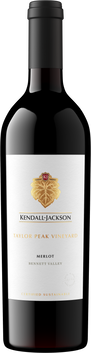
Jackson Estate
2023
Bennett Valley
points
750ml
$60
bottle
Merlot Tasting Notes and Flavor Profile
Merlot is known for its approachable and well-rounded flavor profile. The primary flavors often include ripe dark fruits such as black cherry, plum, and blackberry, complemented by secondary notes of chocolate, vanilla, and a subtle earthiness. Oak aging can impart additional layers of complexity, adding vanilla, cedar, and spice.
In terms of aroma, Merlot often exhibits a bouquet of red and black fruit, floral notes like violet, and hints of herbs or tobacco, especially in more mature examples. The body of Merlot is generally medium to full, with plush tannins and a velvety mouthfeel that make it easy to enjoy. The balance of juicy fruit, ripe tannins, and underlying acidity allows Merlot to pair wonderfully with a variety of cuisines.
Notable Merlot Winemaking Regions
Merlot is produced in various regions worldwide, each offering a unique expression of this versatile grape:
- Bordeaux, France: The birthplace of Merlot, particularly in the Right Bank’s Pomerol and Saint-Émilion regions. Pomerol is home to one of the world’s most expensive wines, Château Pétrus, which is 99% Merlot. Merlot is also often blended with Cabernet Sauvignon to create Bordeaux's iconic blends, known for their complexity and aging potential.
- Sonoma County, California: With its diverse soil types and climate, Sonoma County is known for producing fruit-forward Merlot with rich flavors and soft tannins.
- Napa Valley, California: Napa Valley’s warmer climate yields Merlot with intense fruit flavors, full body, and a hint of oak. Mountain-grown Merlot offers some of the highest quality wines of this variety.
- Central Coast, California: The ocean-influenced climate of California’s Central Coast lends to a diverse range of Merlots, from fruit-driven to more complex, oaked styles. The climate contributes to the wine's balanced acidity and freshness.
- Washington State: Washington State has gained recognition for its high-quality Merlots. The wines here are known for their vibrant fruit flavors, moderate tannins, and excellent aging potential.
Essential Merlot Food Pairings
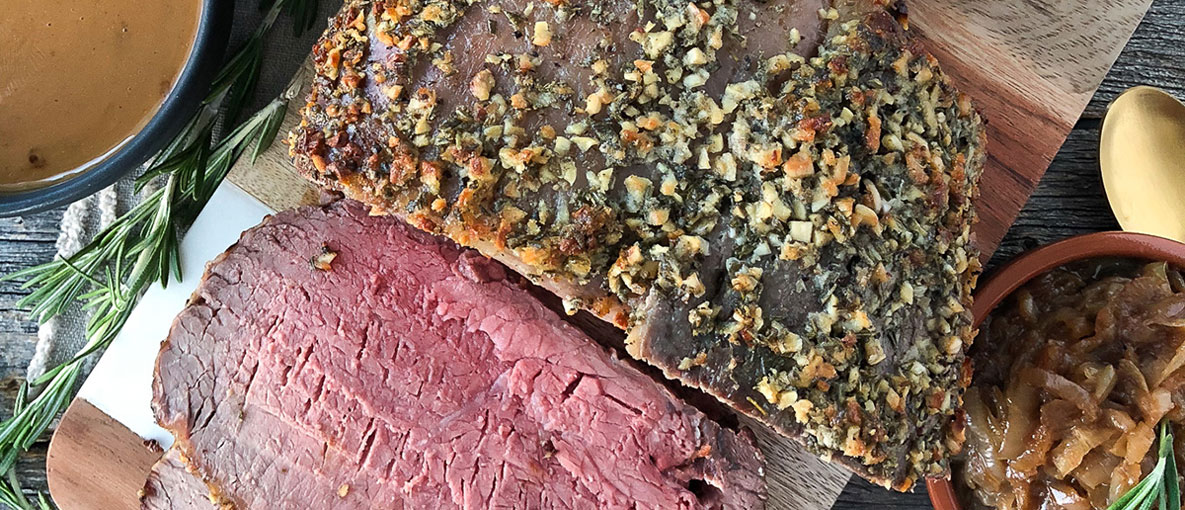
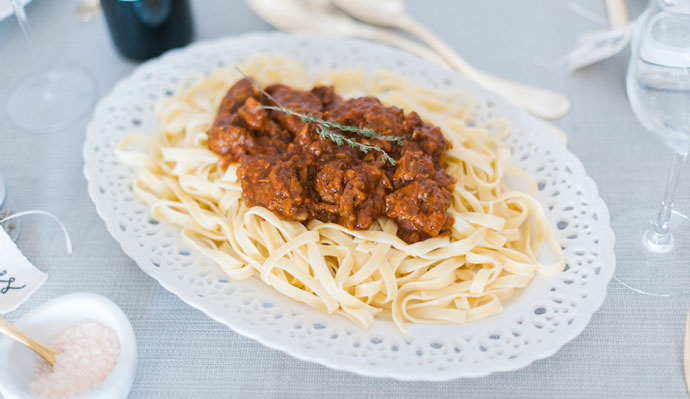
Merlot's medium tannins and fruity profile make it an excellent match for roasted meats, grilled tuna or swordfish, tomato-based dishes such as spaghetti Bolognese, and hard cheeses, like Parmesan and Romano. Dark chocolate desserts with berries and Merlot are a decadent delight.
Here are some top pairing suggestions:
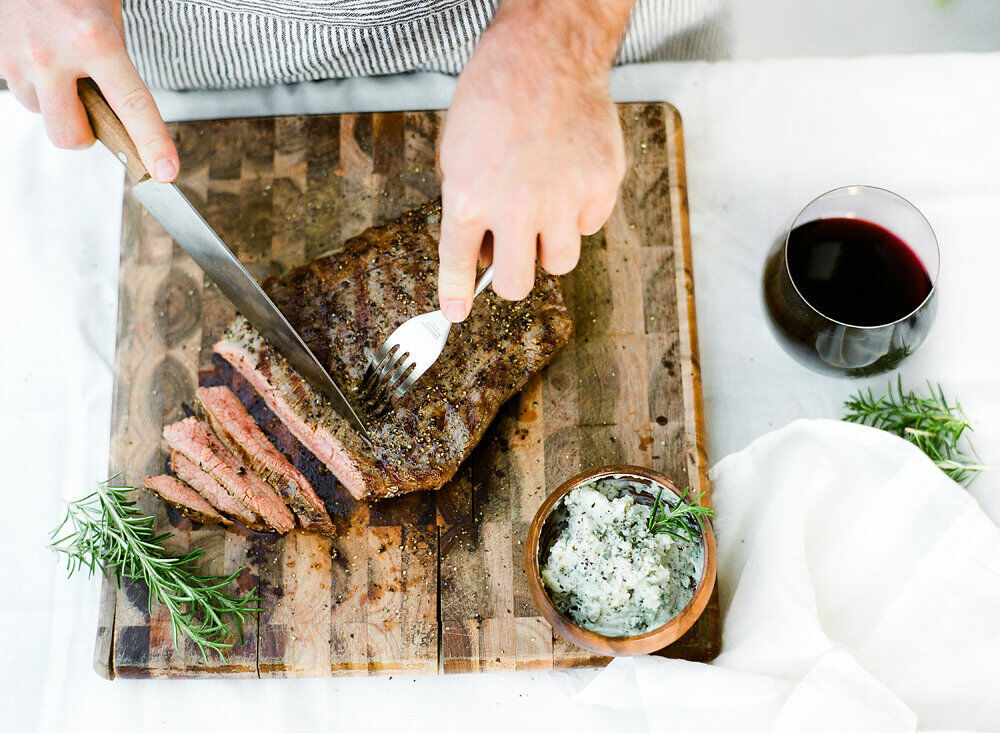
- Grilled Meats: The rich flavors of grilled steak or lamb harmonize beautifully with Merlot's voluptuous, fruity profile. The tannins in Merlot cut through the richness of the blue cheese in this recipe, Flank Steak with Blue Cheese Butter, creating a divine pairing.
- Hearty Stews: Merlot’s smooth mouthfeel and fruitiness balance the spice in this Spicy Shepherd's Pie.
- Chocolate Desserts: Merlot's chocolate notes complement those in these sweet treats: Christmas Chocolate Bark and Spiced Dark Chocolate Ganache.
For more food pairing ideas, check out our Entertaining Page.

How to Properly Serve and Store Merlot
Serving Merlot at the correct temperature enhances its flavors and aromas. Aim for a serving temperature of around 60-65°F (15-18°C). The right glassware can also elevate your experience. Use a wide-bowled glass to allow the wine to breathe and unfurl its bouquet. For more on wine glass types, visit our Premier Guide to Types of Wine Glasses.
Decanting or aerating Merlot can also enhance its flavors, especially for younger wines. Allow the wine to breathe for about 30 minutes before serving. For storage, keep your Merlot in a cool, dark place with a consistent temperature. For more storage tips, check out Wine 101: How to Store Your Wine.
Merlot vs. Cabernet Sauvignon vs. Pinot Noir
While Merlot, Cabernet Sauvignon, and Pinot Noir are all popular red wines, they differ in several key ways:
- Taste: Merlot offers a softer, fruitier profile compared to the bolder, tannic nature of Cabernet Sauvignon and the lighter, red-fruited Pinot Noir.
- Pairings: Merlot pairs well with a broad range of foods, Cabernet Sauvignon is ideal for hearty dishes like steak, and Pinot Noir is best with lighter fare like poultry and salmon.
- Tannins: Merlot has medium, velvety tannins, softer than Cabernet Sauvignon but more robust than Pinot Noir.
- Regions: While all three grapes are grown worldwide, they each have iconic regions: Merlot in Bordeaux, Cabernet Sauvignon in Napa Valley, and Pinot Noir in Burgundy.
- Color: Merlot and Cabernet Sauvignon are deep red, while Pinot Noir is lighter in color.
Kendall-Jackson produces all three varieties, each with its unique expression. Have fun exploring our selections of Pinot Noir and Cabernet Sauvignon.
Shop Kendall-Jackson's Award-Winning Merlot Offerings
Kendall-Jackson offers a variety of Merlot wines that cater to different palates and occasions:
- Vintner’s Reserve: Sourced from four California coastal counties, this expression is fruit-forward in style and smooth, perfect for any occasion.
- Jackson Estate: A more refined, single-vineyard expression with complex flavors and a balanced structure, ideal for those looking to explore Merlot's depth and intrigue.
Kendall-Jackson is committed to sustainably crafting high-quality Merlot and other varieties from cool-climate, exceptional vineyards. When Merlot is grown at cooler, higher elevation sites with well-drained soils and long, sunny days—like Kendall-Jackson does—the variety shines to its fullest. The rigorous conditions counterintuitively translate to rich, round characteristics in the wine.
Explore our full collection and Shop All Merlot online today.
Frequently Asked Questions
Should You Age Merlot?
Yes, especially Merlots from premium regions like our Jackson Estate Merlot or those from Bordeaux. Aging can add additional layers of flavor, aroma, and texture.
Is Merlot a Good Choice for Wine Beginners?
Absolutely! Its smooth mouthfeel and fruity notes make it an excellent introduction to red wines.
How is Merlot Different from Other Red Wines?
Merlot is known for its supple tannins, fruit-driven flavors, and versatility compared to bolder reds like Cabernet Sauvignon.
What are the Common Misconceptions About Merlot?
One common misconception is that Merlot is a simple, unremarkable wine. In reality, it can be just as complex and enjoyable as any other variety when sourced from cooler, yet sunny vineyards and produced with care. Merlot is often confused with Cabernet Sauvignon in blind tastings.