
Rhubarb Madeleines Recipe
There’s something wonderfully charming about madeleines. These classic French cakes have buttery edges, soft centers, and that unmistakable shell shape that makes them just as lovely to serve as they are to eat. For a springtime twist, this rhubarb madeleines recipe folds finely chopped rhubarb into a rich, buttery batter, bringing a bright, tangy bite to every little cake. The sweetness of the batter balances the tartness of the rhubarb, making these French treats a delightful addition to your spring baking.
And because no good dessert needs to be enjoyed alone, we’re pairing these rhubarb madeleines with Kendall-Jackson Late Harvest Chardonnay. Its sweet, luscious character makes a lovely companion to the rhubarb’s natural acidity and the buttery richness of the cakes. Whether you’re hosting an afternoon gathering or simply looking for a new way to bake with seasonal rhubarb, these little French-inspired treats are a delicious excuse to put the kettle on, set out a plate, and savor something sweet.
What Are Rhubarb Madeleines?
Madeleines are small French cakes known for their scalloped, shell-like shape, buttery flavor, and soft, tender crumb. Traditionally baked in a special madeleine pan, these little cakes are often served with tea or coffee as an afternoon treat.
Rhubarb gives this version a fresh twist. Its naturally tart flavor balances the sweetness of the batter, adding a bright contrast to the rich, buttery cakes. The result is a French-inspired treat that feels familiar but offers something a little different from traditional vanilla or lemon madeleines.
Are Madeleines Cookies or Cakes?
Madeleines fall somewhere between a cookie and a cake, which is part of what makes them so appealing. Although they're often grouped with cookies, especially in American bakeries, traditional French madeleines are small sponge cakes. They're baked in shallow, shell-shaped molds that give them their signature look.
The texture is another clue. A good madeleine has a delicate, tender crumb with lightly golden edges and a rich, buttery flavor. Unlike a chewy cookie or a dense slice of cake, it's light enough to enjoy alongside a cup of tea or coffee without feeling too heavy.
Madeleines also differ from many other small cakes in how they're baked and served. They're typically made in individual portions, often dusted with powdered sugar, and enjoyed soon after baking, when their edges are at their best. In this rhubarb version, the tart fruit adds a little contrast to the sweet batter, making each bite taste bright and buttery at the same time.
Ingredients for Rhubarb Madeleines
One of the best things about madeleines is that they come together with a handful of familiar baking ingredients. Eggs, sugar, flour, and butter form the base of these little French cakes, giving them a light texture and rich, buttery flavor. Vanilla and almond extract add warmth and a subtle nutty note.
The rhubarb is what makes this recipe a little different. Its tart, fruity flavor balances the sweetness of the batter, while small pieces of fresh rhubarb add a bright contrast to each bite.
You'll need the following ingredients to make these rhubarb madeleines:
- Eggs: Help give the cakes their light, tender texture.
- Granulated sugar: Sweetens the batter and helps create its delicate structure.
- All-purpose flour: Provides the structure needed for the cakes to hold their shape.
- Unsalted butter: Adds richness and the classic buttery flavor madeleines are known for.
- Vanilla extract: Brings a touch of sweetness and warmth.
- Almond extract: Adds a subtle nutty flavor that complements the rhubarb.
- Fresh rhubarb: Provides a tart, fruity contrast to the sweet batter.
- Powdered sugar: Makes a simple finishing touch when dusted over the baked madeleines.
See the recipe card below for the complete ingredient list and measurements.
How to Make Rhubarb Madeleines
Making rhubarb madeleines starts with a simple batter, but a little care along the way makes a difference in the finished cakes. From whipping the eggs to folding in the rhubarb, each step helps create that light texture and buttery flavor.
1. Prepare the Batter
Start by warming the eggs and sugar together, then beat them until the mixture becomes thick, pale, and airy. This step helps give madeleines their delicate texture, so take the time to whip the mixture properly. Gently fold in the flour, followed by the melted butter and extracts, taking care not to knock out too much of the air you've incorporated.
2. Add the Rhubarb
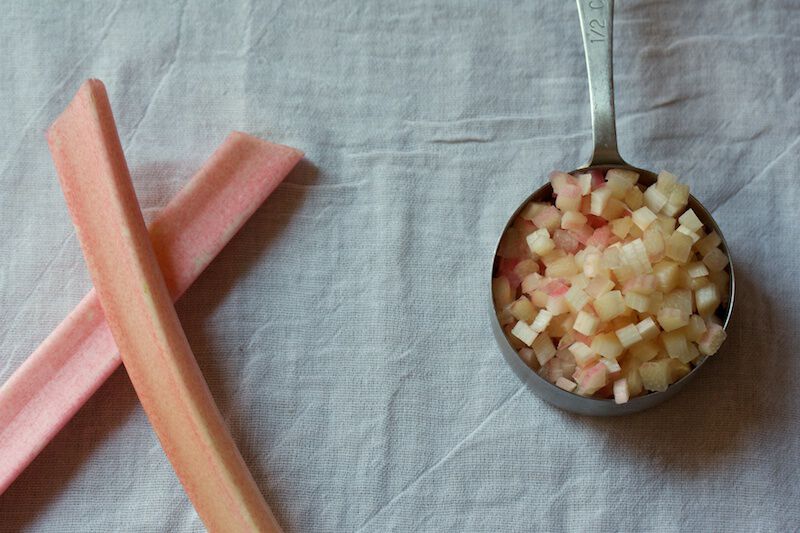
Once the batter is combined, fold in the finely minced rhubarb so it's distributed throughout. Cutting the rhubarb into small pieces helps it blend into the delicate cakes rather than weighing down individual portions. Try to mix just until everything is incorporated, since overworking the batter can affect the final texture.
3. Fill the Madeleine Pan
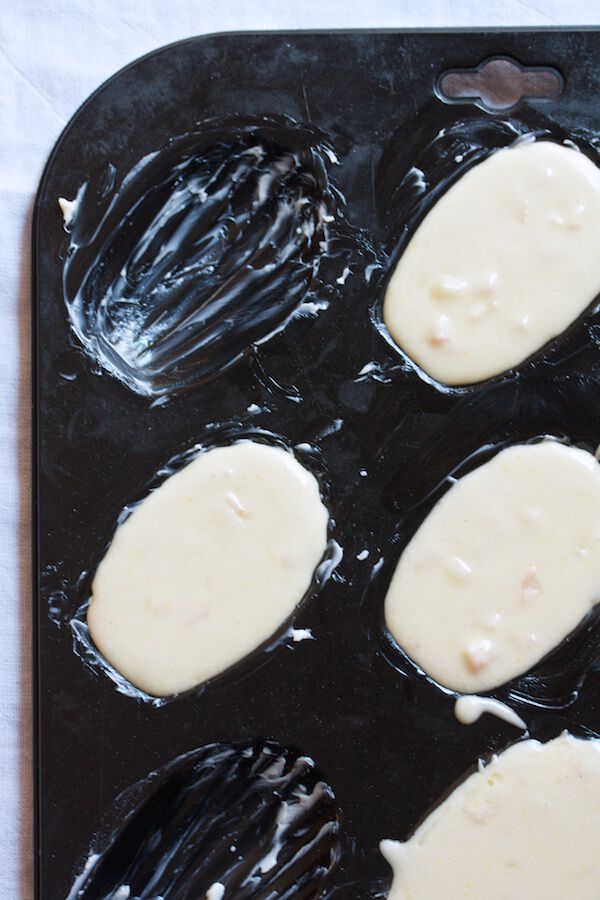
Generously butter the madeleine molds before adding the batter. The shell-shaped cavities give these little cakes their recognizable appearance, but their ridges can make sticking a problem if the pan isn't prepared well. Add the batter evenly to each mold without overfilling, leaving room for the cakes to rise as they bake.
4. Bake Until Golden
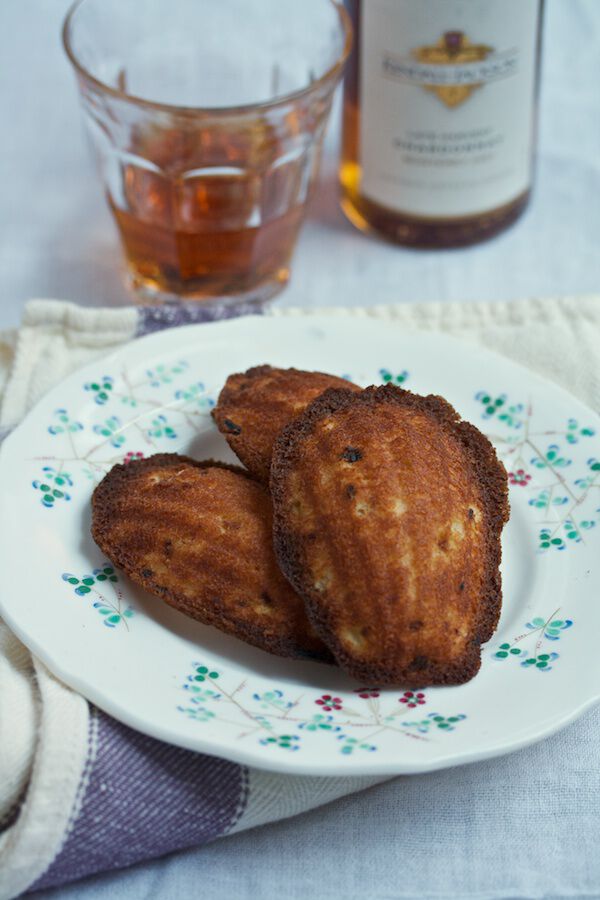
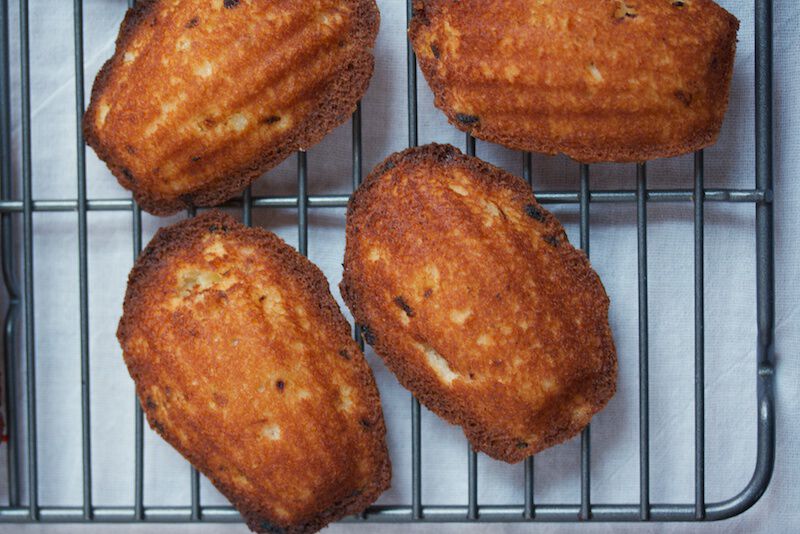
Bake the madeleines in a preheated oven until they're puffed in the center and lightly golden around the edges. Because madeleines are small, they can go from perfectly baked to overdone quickly, so keep an eye on them toward the end of the baking time. Let them cool briefly before removing them from the pan, then serve while their edges are still at their best.
For the exact measurements, oven temperature, and baking time, follow the recipe card below.
Rhubarb Madeleines Recipe
Ingredients
- ¾ cup butter (1½ sticks), plus more for buttering the pans
- 2 eggs
- 1 cup sugar
- 1 cup flour
- 1 teaspoon vanilla
- ¼ teaspoon almond extract (optional)
- ½ cup minced rhubarb from one stalk
Instructions
- Preheat the oven to 450°F. Butter a madeleine mold very, very thoroughly.
- Melt the butter and set aside to come to room temperature. Meanwhile, in a double boiler, heat the eggs and the sugar until lukewarm, stirring constantly. You’ll know they’re ready when a drop of them on your wrist feels like nothing.
- Remove from heat and beat until thick but light and creamy, incorporating as much air as possible. This takes a while, up to 10 minutes. When cool, gradually add the flour, stirring to combine. The batter will seem like a paste. Now, add the cool melted butter, the vanilla and almond extracts, and the minced rhubarb. Stir to combine.
- Distribute half the batter in the 12 Madeleine molds. Bake for about 10 to 12 minutes, until the Madeleines are puffed in the center and brown around the edges. Let cool about 3 minutes, then carefully pry them from the molds. Wash out all the crumbs, butter well again, and repeat with the second half of the batter. Serve as soon as possible, preferably within the day.
How to Pair Madeleines with Wine
Madeleines are a lovely treat to serve with wine, whether you're finishing a dinner party or putting together a dessert spread. Their buttery flavor and delicate texture pair well with wines that complement their sweetness without overpowering them. With rhubarb madeleines, the fruit adds another layer to consider: its natural tartness works especially well with wines that have bright fruit flavors or a touch of sweetness.
For a classic dessert pairing, Kendall-Jackson Grand Reserve Late Harvest Chardonnay is a natural place to start. Its notes of candied mango, pineapple, and dried apricot bring out the fruity side of the rhubarb, while its bright acidity balances the richness of the buttery cakes.
Prefer a drier wine? Kendall-Jackson Vintner's Reserve Chardonnay offers ripe fruit and a creamy, buttery character that complements the madeleines themselves. For something lighter and more refreshing, try Vintner's Reserve Rosé. Its strawberry and watermelon notes offer a fresh contrast to the tart rhubarb, making it a nice choice for an afternoon gathering.
FAQs
Can you make madeleines without a madeleine pan?
Yes, although you won't get the traditional shell shape. A mini muffin pan can work as an alternative, but the cakes will look different and may bake at a slightly different rate. Keep an eye on them as they bake, and check for lightly golden edges and set centers.
Can you use frozen rhubarb for madeleines?
Yes, frozen rhubarb may work in place of fresh rhubarb. Thaw it first and drain away excess liquid before chopping it into small pieces. Too much moisture can affect the batter's texture, so avoid adding thawed rhubarb while it's still watery.
Why didn't my madeleines develop a hump?
The raised center is a familiar feature of traditional madeleines, but the results can vary depending on the recipe and baking technique. Properly whipping the eggs and sugar helps incorporate air into the batter, while accurate oven temperature and careful mixing help the cakes rise. Not every recipe produces a pronounced hump, so focus on a light texture and evenly baked cakes, too.
How should you store rhubarb madeleines?
Madeleines are best enjoyed fresh, when their edges are lightly crisp and their centers are tender. If you have leftovers, let them cool completely before placing them in an airtight container at room temperature. Their texture will soften as they sit, so enjoy them as soon as possible for the best results.
Can you make madeleine batter ahead of time?
Some madeleine recipes benefit from chilling the batter before baking, which can help develop their characteristic shape and texture. However, this rhubarb recipe uses its own specific mixing method, so follow the instructions in the recipe card rather than assuming that an overnight rest is necessary. If you want to prepare ahead, you can measure your ingredients and prepare the rhubarb in advance to make baking easier.
What wine pairs well with rhubarb madeleines?
A sweet wine such as Kendall-Jackson Grand Reserve Late Harvest Chardonnay can complement the tart rhubarb and buttery cakes. If you'd prefer something less sweet, Kendall-Jackson Vintner's Reserve Chardonnay offers a fruit-forward option that pairs nicely with the rich flavor of the madeleines.