
Share This
Welcome to your go-to guide to Riesling (pronounced reece-ling) — a treasured gem of the wine world. Loved by wine enthusiasts and sommeliers for its versatility, Riesling ranges from bone-dry to lusciously sweet and is a staple of both wine lists and wine cellars across the globe. While Riesling is often misunderstood as merely a “sweet wine,” this guide will unveil its many dimensions and show you why Riesling deserves a top spot in your glass.
We invite you to journey with us through the fascinating world of Riesling. You'll discover the origins of Riesling, its flavor profile, best food pairings, prominent wine regions, and how to enjoy it at its very best. Whether you’re new to wine or a seasoned connoisseur, there’s something in Riesling for everyone.
Riesling Quick Facts
Here are some essential facts about Riesling to get you started:
· Regions: Germany, California, New Zealand, Alsace, and Australia
· Origin: Rhine region, Germany (first documented in 1435)
· Taste: Fruity, floral, with a refreshing acidity
· Sweetness: Ranges from bone-dry to lusciously sweet
· Color: Pale straw to golden
· ABV: Typically 8-12% — lighter than many wines
· Aging: Can mature beautifully for a few years to several decades
What is Riesling Wine?
Riesling is a highly aromatic white wine grape variety that can produce an incredible range of wine styles. From zesty and dry to viscous and sweet, Riesling thrives in cooler climates and has a remarkable ability to express its terroir (the unique characteristics of the land it’s grown on) like few others.
Riesling wines can be dry, semi-dry, sweet, or even sparkling, offering something for every palate. Though often misunderstood as always being sweet, Riesling is incredibly versatile. Its signature charm lies in its balance — a perfect harmony of sweetness and acidity that appeals to both casual drinkers and experts. Read on to explore why this wine has captivated palates for centuries.
The History of Riesling
Riesling’s story begins in 1435, in Germany’s Rhine region, when the grape was first documented in a storage inventory. It quickly gained popularity for its hardy vines and ability to thrive in cool climates. By the 18th century, Riesling was established as one of Europe’s most celebrated white wines.
With its ability to reflect the terroir, Riesling became integral to Germany’s Mosel and Rheingau regions. Today, it’s produced worldwide, adapting and thriving in regions such as California’s Monterey County, the cool hillsides of New Zealand, and beyond, allowing the grape to express itself in new and exciting ways.
Why Should You Drink Riesling Wine?
Riesling is a favorite among wine lovers for good reason. It offers a wide range of flavors, from zesty lime and green apple in dry versions to honeyed peach and ripe apricot in sweeter styles Riesling’s versatility and ability to reflect the terroir make it a wine that offers both depth and refreshing simplicity. Whether you're a fan of sweet or dry wines, Riesling can cater to your taste.
Riesling is also one of the most food-friendly wines, from vibrant salads to spicy Asian dishes and decadent desserts. Simply put, whether you’re enjoying a casual weekday meal or celebrating a special occasion, Riesling rises to the occasion.
Riesling Tasting Notes and Flavor Profile
What does Riesling taste like?
Riesling’s flavor profile depends on its region and style, but common tasting notes include green apple, pear, peach, apricot, and citrus tones like lime and lemon. On the nose, you’ll often find floral aromas such as honeysuckle or jasmine, with a whisper of minerality in its dry renditions.
The wine’s body is typically light and crisp, its mouthfeel refreshing, and the acidity zippy. Sweeter styles offer a luscious, honeyed texture balanced by their characteristic acidity.
As Riesling ages, it develops lovely honey, petrol, and toasty notes, adding to its complexity.
Popular Riesling Wine Regions
While Germany is the birthplace of Riesling, the grape has found homes in many wine regions around the world. Here’s a closer look at key regions and their distinct contributions to this iconic varietal:
California
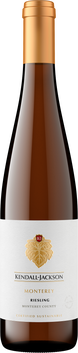
Monterey County, located on California’s Central Coast, offers a unique combination of cool maritime breezes, long growing seasons, and varied soil types ideal for Riesling. Known for vibrant wines with bright acidity, Kendall-Jackson selects premium Riesling grapes from this region for its Vintner’s Reserve blend. You can explore more about Monterey County’s unique terroir here.
Germany
Germany remains the world’s Riesling capital, particularly the Mosel, Rheingau, and Pfalz regions. Here, Riesling achieves incredible balance with its characteristic high acidity and low alcohol. The steep vineyard slopes of Mosel allow for maximum sun exposure, producing some of the most elegant and complex Rieslings in the world.
New Zealand
New Zealand’s cool climate and rolling vineyards are perfect for growing premium Riesling. Known for its purity and vibrant citrus notes, New Zealand Riesling often balances tropical fruitiness with taut acidity.
Recommended Riesling Food Pairings
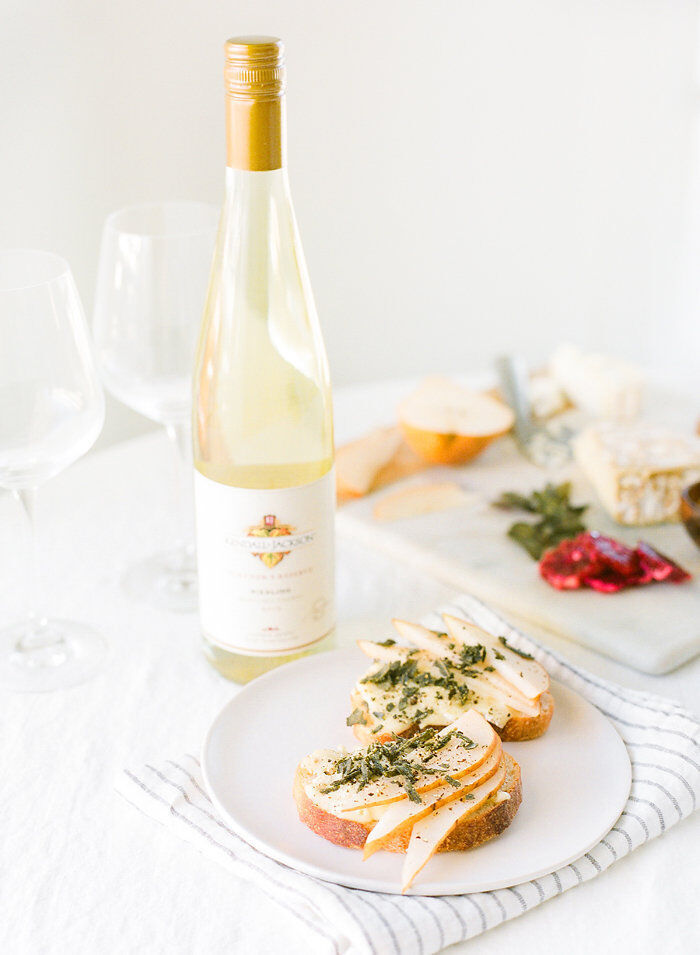
Riesling is a food lover’s dream wine because it pairs well with such a wide range of dishes. Its acidity and various levels of sweetness make it a perfect match for everything from spicy dishes to sweet desserts. Here are some of our favorite Riesling pairings:
- Desserts: A glass of Riesling paired with a peach tart or Cuban meringues is a match made in heaven. Try these Peach Tart or Cuban Meringue recipes.
- Spicy Foods: Riesling’s natural sweetness tames heat, making it perfect for dishes like spicy Thai curry or Szechuan stir-fry.
- BBQ: Riesling’s natural balance makes it a great choice for BBQ, especially dishes with a fruity element like glazed BBQ chicken.
- Seafood: From delicate halibut to richer dishes like grilled salmon, Riesling plays beautifully with seafood.
- Fruits: Think peaches and apples with Riesling for a simple yet elevated pairing.
For more great pairing ideas, check out our Entertaining page.
What is the Best Way to Serve Riesling?
To fully enjoy your Riesling, serve it well chilled — between 45-50°F (7-10°C). The cooler temperature enhances the wine’s crispness and preserves its vibrant aromas. A white wine glass with a smaller, slightly tapered bowl is ideal for Riesling, as it helps concentrate the delicate aromas. Read our full guide on Types of Wine Glasses.
Riesling vs Chardonnay
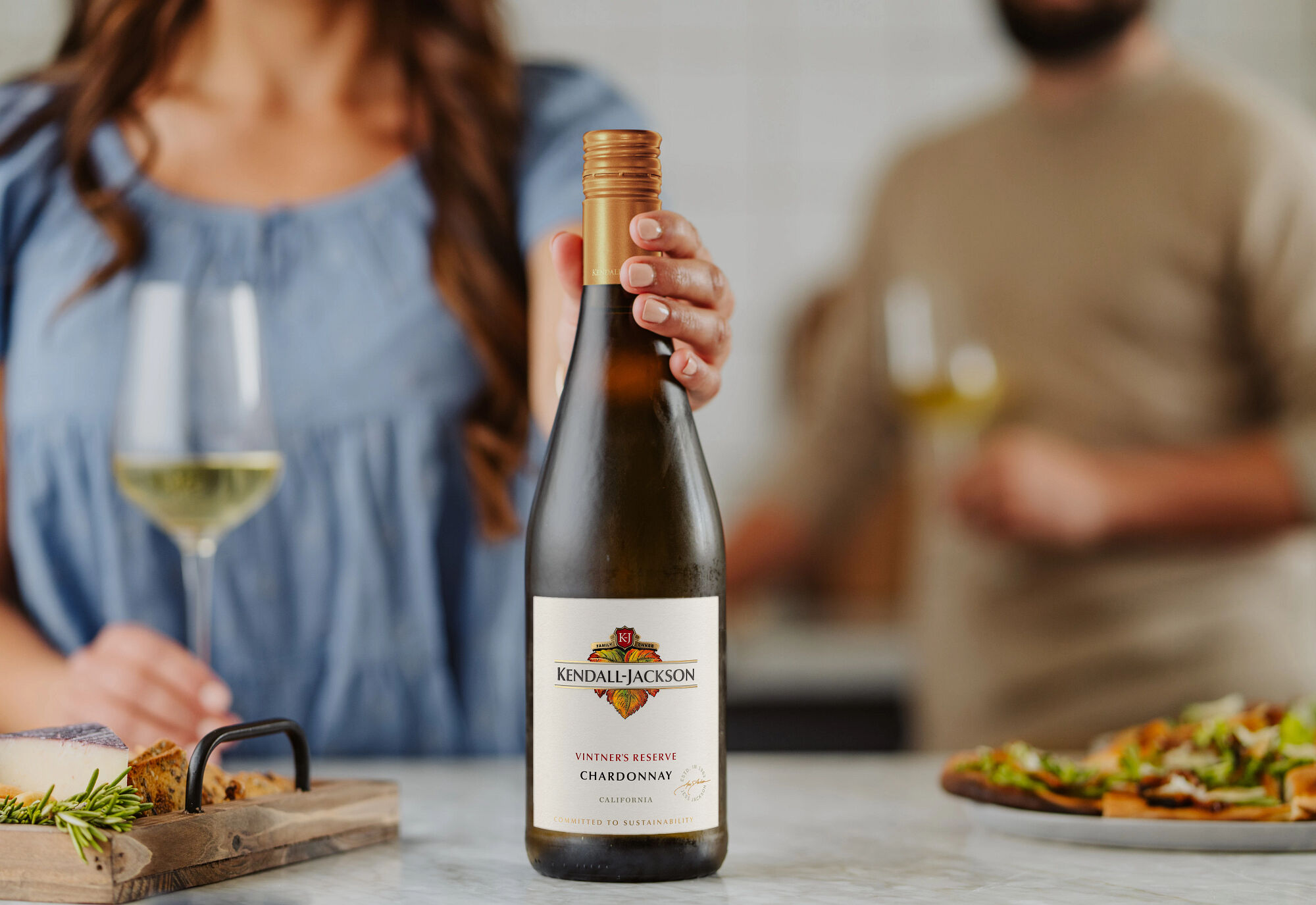
Riesling and Chardonnay are two of the most popular white wines, but they offer very different experiences.
- Taste & Aroma: Riesling’s naturally high acidity and fruity profile contrast with Chardonnay’s buttery, oaky tones.
- Pairings: Riesling complements spicy and sweet dishes, while Chardonnay shines with creamy, rich foods.
- Regions: Riesling thrives in cooler climates like Germany and Monterey; Chardonnay is often associated with warmer regions.
Want to explore our Chardonnay selections? Shop here.
Get the Best in California Riesling Wine from Kendall-Jackson
Kendall-Jackson is proud to offer a range of beautifully crafted Rieslings from the cool-climate vineyards of Monterey County. Our commitment to quality and sustainability ensures that every bottle is a true expression of the land. Browse our selection of Riesling and other white wines here, and enjoy the convenience of ordering online.
Frequently Asked Questions
How can I tell if a Riesling is sweet or dry?
Check the label — terms like “trocken” (German for “dry”) or descriptions of residual sugar levels can guide you.
What are the different styles of Riesling?
Riesling varies from bone-dry to sweet dessert wines. Popular styles include Kabinett (dry), Feinherb (off-dry), Spätlese (sweet), and Eiswein (very sweet).
Can Riesling wine be aged?
Yes! High-quality Riesling ages beautifully, developing complex flavors of honey, petrol, and dried fruit.
How long does Riesling last?
An opened bottle lasts 3-5 days corked and refrigerated. For unopened bottles, drier Rieslings age up to 10 years, sweeter versions even longer.