

Share This
Here's a little secret from our cellar to yours: The easiest way to upgrade a bottle of wine isn't spending more money; it's giving your wine a moment to breathe. That's the magic of decanting. With nothing more than a pretty glass vessel and a splash of patience, oxygen gently softens tannins, aromas bloom, and any bits of sediment stay tucked safely behind. It's a bit like sunlight coaxing a vineyard awake after dawn.
At Kendall-Jackson, showcasing the beauty and complexity of our family vineyards and their expression in the wine is at the heart of everything we do. We spend a lifetime growing and crafting wines that have layers worth discovering, and decanting is the simplest way to let those layers unfold at your table. Here’s how this simple ritual can bring more depth to every glass.
What is a Wine Decanter?
A wine decanter is a specially designed glass vessel used for serving wine, featuring a wide, rounded base and a tapered neck that allow the wine to mix with oxygen before it reaches your glass. That's the short, dictionary-style answer, but what you really need to know is that the vessel’s shape is key to the magic.
Look a little closer and you'll see why the shape matters. The broad base gives the wine a generous "dance floor," while the narrow neck keeps aromas concentrated as they rise. Every curve is engineered with one job in mind: giving the liquid maximum exposure to the air so it can open up, relax, and show off everything it's been holding onto inside the bottle.
Why Do We Decant Wine?
We decant wine for one simple reason: We want every sip to taste the way the winemaker intended. A little oxygen unlocks a wine's full aromatic potential, smooths out bold textures and astringent tannins, and helps ensure a pristine, sediment-free pour into your glass.
Think of decanting as the bridge between an air-tight bottle and an expressive glass of wine. The bottle is where the wine rests. The decanter is where it wakes up, stretches, and gets ready to greet you. Now let's peek at the science that makes that transformation possible.
The Science of Decanting: What Does a Wine Decanter Actually Do?
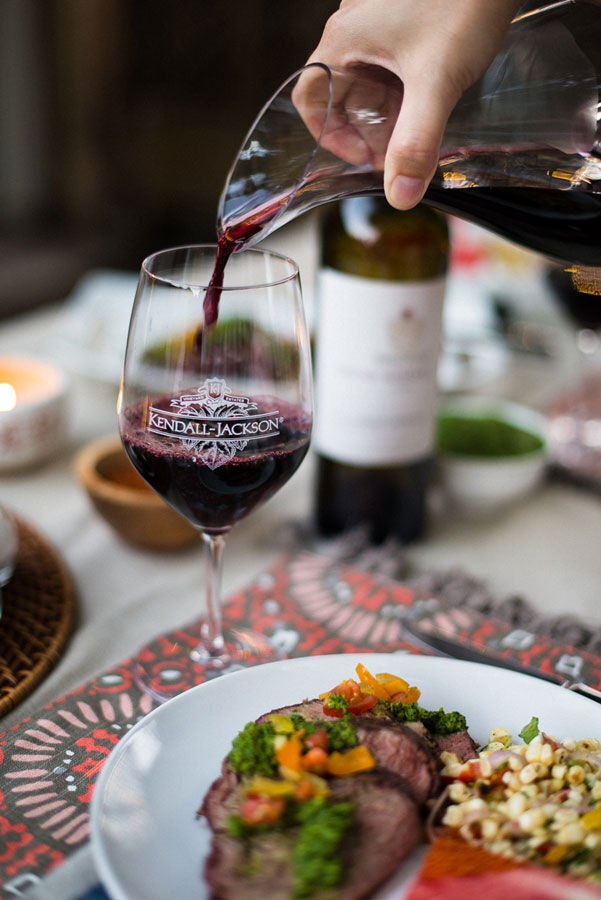
A decanter does two very important things at once: It introduces oxygen into the wine, and it separates any solid bits from the liquid gold you're about to enjoy. Here's how each part works.
Aeration (Letting the Wine "Breathe")
When wine meets oxygen, a lovely little chemistry lesson begins. Aeration, or letting the wine breathe, triggers evaporation and gentle oxidation, which burns off harsh ethanol notes and volatile sulfur compounds that can mask a wine's true character. As those sharper elements fade, the natural fruit, floral, and spice notes emerge. It's a bit like opening a window in a room that's been closed all winter; suddenly, everything smells fresh, bright, and alive.
Separating Solid Sediment
Older vintages naturally form sediment over time as tannins and color compounds bind together and settle. It's a completely harmless outcome of a wine that's been aging beautifully, but it can taste bitter and feel gritty on the palate. A decanter lets you pour off the clean, clear wine and leave the residue behind in the bottle, so every sip is silky, not sandy.
Decanter vs. Carafe: What is the Difference?
Wine enthusiasts often confuse these two vessels, which is understandable. A carafe is generally tall and narrow, and it's used for serving water at dinner, a table wine at a restaurant, or juice at brunch. It's practical and pretty, but it's not built for aeration.
A decanter, on the other hand, has that signature broad, flat base engineered to maximize the surface area of the wine touching the air. Its pear shape, with the extra surface area at the bottom, is the whole point. If a carafe is a friendly pitcher, a decanter is a strategic device—designed to help the wine show its full expression.
Which Wines Benefit Most From Decanting?
Not every bottle needs a spin in the decanter, and that's part of the fun of learning what works. Here are the wines that shine with a little air—plus a quick note on which wines can and should skip the decanting stage.
Full-Bodied Red Wines
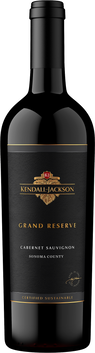
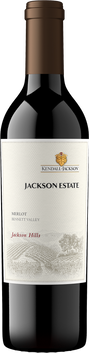
Young, robust reds are practically built for the decanter. Think Cabernet Sauvignon and Merlot. Wines like the Kendall-Jackson Grand Reserve Cabernet Sauvignon or Jackson Hills Merlot have bold tannin structures that soften nicely with one to two hours in a broad-based decanter. The result is a rounder, more approachable pour with all the dark fruit and cocoa notes front and center. Ready to try it? Explore our Cabernet Sauvignon collection and pick your favorite.
Aged Vintages
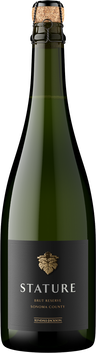
Wines aged over ten years are a different story—they need decanting mostly for sediment removal, not aeration. Their delicate fruit flavors have already had years to develop, so they only need about 15 to 30 minutes of air before those fragile notes start to fade. Our Stature wines, like the 2016 Sonoma County Stature Cabernet Sauvignon, are a wonderful example of when a gentle, careful decant truly honors the wine. Find more wines to decant in our Stature collection.
Surprising Whites
Here's a myth we love to bust: White wines can benefit from decanting too. Rich, oak-aged whites like the Kendall-Jackson Jackson Estate Chardonnays come alive with a quick 15-minute decant, revealing hidden layers of baking spice, toasted oak, and creamy stone fruit. It’s a simple but surprisingly magical step. Give it a try—your Chardonnay will thank you.
A quick note on what to skip: Sparkling wines shouldn't be decanted (bye-bye, bubbles), and light, delicate rosés or crisp, unoaked whites are crafted to go straight from the bottle to your glass.
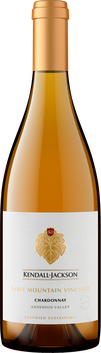
Jackson Estate
2024
Anderson Valley
points
750ml
$50
bottle
How to Decant Wine Perfectly (Step-by-Step)
Ready to try it at home? Here's a foolproof process for success.
- Stand the Bottle Upright 24 Hours Before Serving. Keep the bottle vertical for a full day so all the tiny particles have time to drift safely to the bottom. Think of it as letting the wine settle in for a good night's sleep.
- Pour Low and Slow—The Steady Tilt. Uncork the wine and tilt the bottle gently toward the decanter, letting the liquid glide down the glass neck in a smooth, unhurried stream.
- Watch the Neck with Light—The Sediment Check. Hold a small flashlight or smartphone light underneath the neck of the bottle as you pour. The second the wine looks cloudy or you spot dark flakes creeping toward the lip, stop pouring.
- Let It Rest—The Breathing Phase. Leave that last splash of gritty wine behind in the bottle, then let your clear, decanted wine sit for its designated time. This is the part where the magic quietly happens.
That's it. Four simple steps, one gorgeous pour.
How to Clean a Wine Decanter Safely
Cleaning your decanter is easier than it looks—just skip the standard dish soap. Soap can leave behind a chemical film that lingers in the glass and dulls the aromas of your next bottle (and we can't have that!).
Instead, rinse the decanter with warm water right after you're done using it. For a deeper clean, add a tiny splash of white vinegar and drop in a handful of stainless steel cleaning beads. Give it a gentle swirl to scrub the hard-to-reach base, rinse thoroughly with warm water, and let it air-dry upside down on a rack. Your decanter will stay crystal-clear and ready for its next starring role.
Learn more in our detailed blog on how to clean a wine decanter.
Elevate Your Next Pour with K-J Wines
Don’t just take our word for it. Try this decanting experiment and experience the magic yourself. Grab a bottle of one of your Kendall-Jackson favorites, like our Vintner's Reserve Chardonnay or Cabernet Sauvignon, pour a small splash straight from the bottle, and taste it. Then, decant the rest and give it a little time to breathe. Come back in 20 minutes, an hour, or two, and taste again.
You'll notice something happening: the wine evolves right in front of you, revealing new aromas, flavors, and softer textures with every sip. It's the same bottle, but a whole new experience. And that's the joy of decanting: a simple ritual that turns any glass into a moment worth savoring.