

Share This
Whether you're a wine enthusiast seeking to refine your palate or a beginner looking to branch out from Chardonnay, Pinot Gris should undoubtedly be on your radar! Known for its versatility and captivating flavor profile, Pinot Gris (pronounced pee-noh-gree) has something to offer everyone, from casual sippers to professional sommeliers.
This guide explores everything you need to know about Pinot Gris, from its origins and tasting notes to food pairings and how it differs from its sibling, Pinot Grigio. Let’s dive in and explore the charm of Pinot Gris!
Pinot Gris Quick Facts
Here’s a quick snapshot to answer some common questions about Pinot Gris wine:
- Regions: Alsace, France; Trentino-Alto Adige and Friuli-Venezia Giulia, Italy; Sonoma County and Santa Barbara County, California
- Origin: A mutation of Pinot Noir, first cultivated in Burgundy, France
- Taste: Ranges from crisp and citrusy to rich and spicy, with notes of pear, apple, honey, and almond
- Sweetness: Typically dry, though off-dry and sweet styles exist
- Color: Pale gold to a deeper golden hue
- ABV: Typically between 12-14%
- Aging: Best enjoyed young; some Alsace Pinot Gris can be aged for added complexity
What is Pinot Gris Wine?
Pinot Gris is a white wine made from a grayish-blue grape—the result of a genetic mutation of Pinot Noir. Its name translates to "gray Pinot," referencing the subtle color variation of the grape. Representing both balance and versatility, Pinot Gris offers wine lovers diverse styles ranging from light and zesty to full-bodied and spicy.
This varietal has gained global acclaim due to its adaptability to different terroirs. While often compared to Pinot Grigio (which we'll discuss in detail below), Pinot Gris offers its distinct identity, celebrated in regions like Alsace, France, and Sonoma County, California.
The History of Pinot Gris
Pinot Gris has a rich history that began in Burgundy, France, in the middle ages where it originated as a mutation of Pinot Noir. From Burgundy, the grape made its way to the Loire Valley and eventually to Alsace, where it became one of the region's hallmark wines.
Its reputation spread across Europe, landing in northern Italy, where was reinvented as Pinot Grigio—crafted in a lighter, crisper style. Over centuries, Pinot Gris evolved as winemakers across the globe began experimenting with its natural characteristics. Today, it thrives in regions like California and Oregon, showcasing its versatility and ability to adapt to diverse climates.
Why Should You Drink Pinot Gris Wine?
Pinot Gris appeals to a wide spectrum of wine drinkers, primarily for its flexibility and flavor variety. Here’s why it remains a favorite among wine lovers:
- Versatility: It pairs exceptionally well with food, thanks to its balanced acidity and diverse flavor profile.
- Approachability: A true crowd-pleaser, it’s easy-drinking for new wine enthusiasts, yet nuanced enough for seasoned palates.
- Unique Styles: Its ability to be made in dry, off-dry, or sweet variations ensures there’s a style for every preference.
Pinot Gris Tasting Notes and Flavor Profile
But wait, what does Pinot Gris taste like? Pinot Gris offers a delightful range of fruit-forward tasting profiles, often influenced by the region where it is grown:
- Key Flavors: Pinot Gris offers a delightful mix of fruit-forward flavors, with pear, peach, and melon being the most prominent. Depending on where it’s grown, you might also find hints of apple, citrus, or tropical fruits. Some versions of Pinot Gris, particularly those from Alsace, can have a slightly richer, spicier note, while others maintain a fresh, clean finish.
- Aromas: Aromas of Pinot Gris often include floral and stone fruit notes, with hints of honeysuckle and orange blossom.
- Body & Mouthfeel: The wine typically has a medium body and a smooth, slightly oily texture, making it feel lush on the palate.
This wine combines complexity and drinkability, making it perfect for sipping alone or pairing with a meal.
Pinot Gris Wine Regions
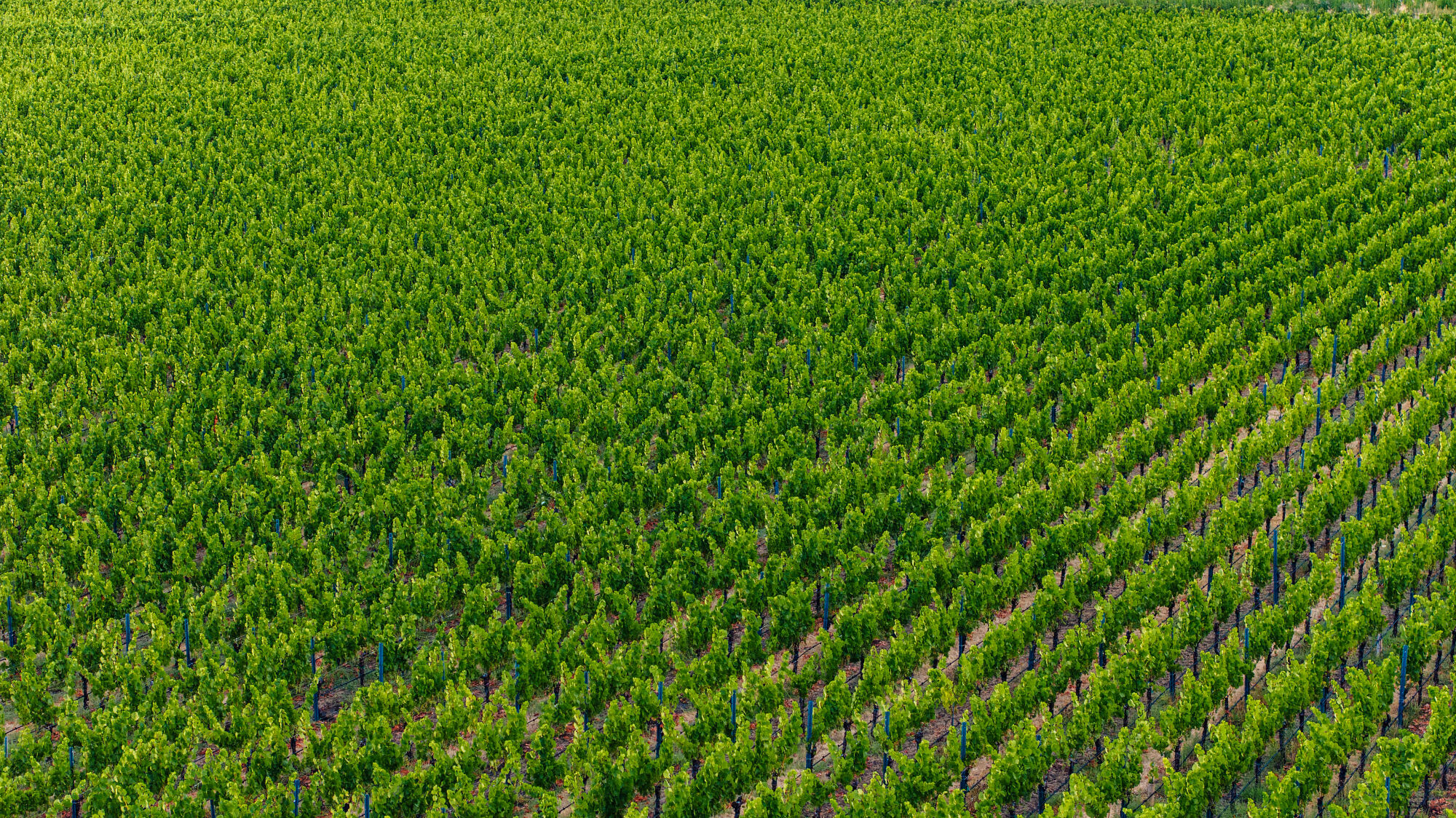
Pinot Gris thrives in several prominent wine regions around the world, each offering unique expressions of this versatile varietal:
California
- Sonoma County: Renowned for its cool Mediterranean climate, Sonoma County produces Pinot Gris with bright citrus and stone fruit flavors.
- Read more about Sonoma County vineyards here
- Santa Barbara County: Coastal breezes and diverse microclimates result in crisp, aromatic Pinot Gris wines that are incredibly fresh.
- Explore Santa Barbara County vineyards here
France
- Alsace: Pinot Gris from Alsace boasts richness, complexity, and spice, often with a touch of sweetness. These wines are fuller-bodied and ideal for aging.
Italy
- Friuli-Venezia Giulia and Trentino-Alto Adige: Known for crafting the quintessential Pinot Grigio — clean, light, and zesty wines loved for their refreshing simplicity.
What is the Difference: Pinot Gris vs Pinot Grigio?
So, what’s the deal? Though Pinot Gris and Pinot Grigio come from the same grape variety, they differ significantly in flavor and style due to their regions and winemaking techniques:
- Pinot Gris (Alsace-style): Typically from France or the U.S., is known for its richer, more textured profile. It often has notes of pear, honey, and spice, with a fuller body.
- Pinot Grigio (Italian-style): Hails from Italy and is lighter, crisper, and more straightforward, with flavors of citrus and green apple.
The difference in regional production methods plays a huge role—Pinot Gris tends to be a more complex wine, while Pinot Grigio is all about easy-drinking freshness. Want to learn more? Check out our full guide on Pinot Gris vs Pinot Grigio.
Recommended Pinot Gris Food Pairings
Pinot Gris is a fantastic wine for food pairing, thanks to its balanced acidity and range of flavors. Whether you’re enjoying a light summer salad or a hearty seafood dish, Pinot Gris has you covered. Here are some excellent pairings:
- Mango Sorbet: The bright citrus and stone fruit flavors in Pinot Gris complement the sweet, tropical fruit while its acidity keeps each bite refreshing.
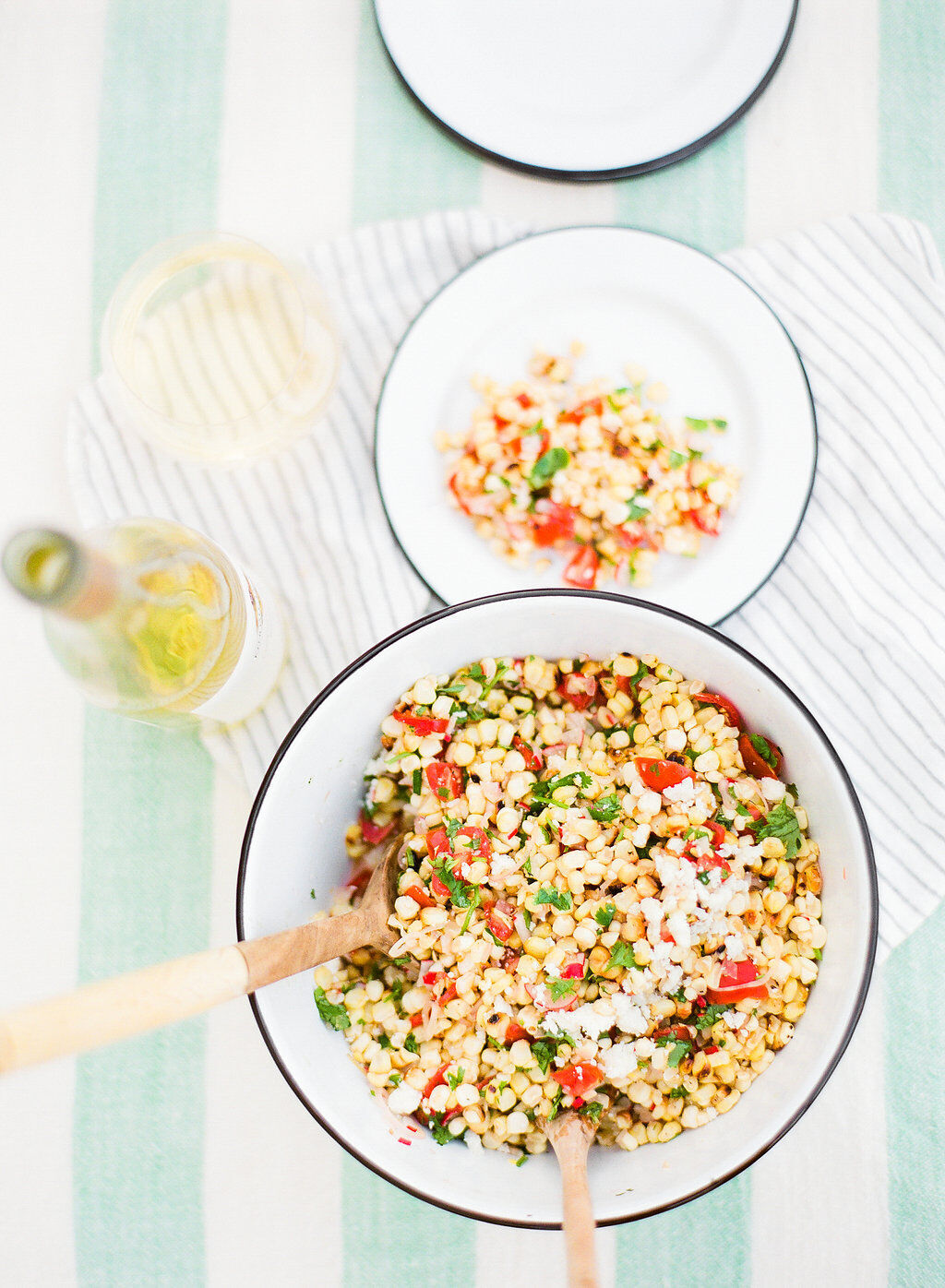
- Charred Corn Salad: Crisp acidity balances the corn's natural sweetness and highlights the fresh herbs and smoky flavors.
- Springtime Crostini: The wine's lively fruit and acidity pair beautifully with creamy cheese and fresh seasonal vegetables.
- Couscous Salad: Pinot Gris enhances the fresh vegetables and herbs while its crisp finish keeps the dish feeling light.
- Shaved Cucumber Salad: Bright acidity mirrors the salad's freshness and complements its delicate, herbal flavors.
- Seared Scallops: The wine's citrus notes and vibrant acidity enhance the scallops' sweetness without overpowering their delicate flavor.
For more delicious wine & food pairing ideas, visit Kendall-Jackson’s Entertaining page.
How to Properly Serve Pinot Gris
To savor Pinot Gris at its best:
- Serve well chilled between 45-50°F (7-10°C).
- Use a standard white wine glass to concentrate its fruity and floral aromas for maximum enjoyment.
Sip and Savor Pinot Gris from Kendall-Jackson
At Kendall-Jackson, we pride ourselves on crafting wines that showcase the finest expressions of their varietals. Our Vintner’s Reserve Pinot Gris delivers vibrant fruit flavors with a smooth, refreshing finish—a true testament to quality winemaking.
Shop now to experience the best Pinot Gris and discover our full white wine selection.
Frequently Asked Questions
Is Pinot Gris sweet or dry?
Pinot Gris is typically dry, though sweeter styles are more common in Alsace.
Can Pinot Gris be aged?
Pinot Gris from Alsace can benefit from aging, gaining more complexity over time.
How is Pinot Gris different from other white wines?
Pinot Gris offers a unique balance between richness and acidity, often with spiced or honeyed flavors.
What are some common misconceptions about Pinot Gris?
Many people confuse Pinot Gris with Pinot Grigio. While they are made from the same grape, the styles differ significantly based on where they are produced.