
Share This
Whether you're a longtime fan of white wines or you're just starting to explore beyond Chardonnay and Sauvignon Blanc, Viognier (pronounced vee-ohn-YAY) is a varietal you need on your radar. Dating back to Roman times and having faced near extinction in the mid-1900’s, Viognier is experiencing a modern revival.
Known for its aromatic intensity and luscious, stone-fruit flavors, Viognier has a flair for captivating the senses. If you're intrigued by the thought of a wine that balances opulent fruit with delicate floral aromas, this guide is for you. We're taking a deep sip into Viognier's fascinating history, its flavor profile, how to pair it like a pro, and why it has become such a charming choice for wine enthusiasts worldwide. So grab a glass, cozy up, and let’s explore the floral, full-bodied beauty of Viognier wine together.
Viognier Quick Facts
Here’s a quick snapshot of Viognier to get you started:
- Regions: Prominent in France (Rhône Valley), California, and Australia.
- Origin: Historically rooted in the Rhône Valley, France.
- Taste: Stone fruits (peach, apricot), floral (honeysuckle), hints of spice and citrus.
- Sweetness: Typically dry, though some sweeter styles exist.
- Color: Pale to deep golden yellow.
- ABV: Averages between 13.5% and 15%.
- Aging: Best enjoyed young, though premium bottles can age beautifully.
What is Viognier Wine?
Viognier wine is a luscious white wine varietal known for its fragrant aroma and luxurious texture. The Viognier wine grape produces wines that are full-bodied like Chardonnay but often more aromatic, floral, and fruit-forward, with enticing notes of peach, apricot, tangerine, and honeysuckle.
Viognier is typically bottled as a single varietal wine, but it also plays a key role in blends—particularly in France’s Rhône Valley, where it’s occasionally co-fermented with the red wine Syrah to soften its tannins and add an aromatic lift. From crisp, stainless steel-fermented versions and richer, oak-aged styles, to sparkling and dessert-style wines, Viognier offers a versatile tasting experience. Whether you opt for a single-varietal Viognier or a blend, there's no mistaking its signature aromas of white flowers and ripe stone fruits and the vibrancy it lends to every sip. But how did this fragrant, bold varietal come to be? Let's take a look at its fascinating—and fragile past.
The History of Viognier
Viognier’s story is one of resilience and revival. Originally cultivated in the Rhône Valley’s Condrieu region, this varietal dates back to Roman times. However, by the mid-20th century, Viognier nearly disappeared from the wine world due to the grape's low yields and its susceptibility to disease. By the 1960s, only a few acres remained in the Northern Rhône.
Thanks to the passion of Rhône Valley winemakers and growing interest in its unique flavor profile, Viognier made a comeback in the late 20th century. Today, the grape thrives far beyond France in regions like California’s Central Coast, Australia, and even parts of South America. Viognier is no longer a forgotten treasure—it’s a rising star.
Why Should You Drink Viognier Wine?
Viognier is an ideal choice when you’re seeking to expand your white wine horizons beyond Sauvignon Blanc or Chardonnay. While we love those varieties, who doesn’t love to shake things up? If you love white wines with expressive aromas, a creamy mouthfeel, or flavors that span from floral to fruity, Viognier deserves a spot in your collection. It’s particularly appealing for those who crave wines with texture and character.
- For White Wine Lovers: It's bolder than Sauvignon Blanc but more floral than Chardonnay.
- For Adventurous Drinkers: Viognier’s intriguing balance of flavors offers a world of pairing potential. It’s an adventure, but a delicious, risk-free one at that!
- For Food Enthusiasts: It shines with a variety of cuisines, from spicy dishes to creamy pastas.
Jackson Estate
2023
Yorkville Highlands
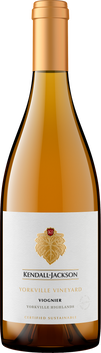
750ml
Sold Out
Viognier Tasting Notes and Flavor Profile
But wait, what does Viognier taste like? Viognier is celebrated for its aromatic complexity, vibrant stone-fruit flavors, and touch of minerality. Flowery notes, like honeysuckle and orange blossom, leap from the glass. Luscious flavors of apricot, peach, and nectarine follow on the palate, often accompanied by nuances of vanilla or baking spices from oak aging.
- Aromas: Honeysuckle, jasmine, and ripe stone fruits.
- Palate: Peach, apricot, and nectarine. Full-bodied with a soft, rounded mouthfeel.
- Finish: A subtle warmth and lingering hints of tropical fruits.
- For those seeking a full-bodied, fragrant white wine with depth of fruit, a luxurious texture, and a persistent finish, Viognier is unmatched.
Viognier Wine Regions
The majority of the world’s Viognier is produced in France, followed by California and Australia.
California
California has become a leading Viognier producer, especially in regions like Mendocino County, Santa Barbara County, and the Central Coast. California Viogniers are typically richer and more fruit-driven, with ripe tropical flavors and creamy textures.
The Viognier from our Jackson Estate Yorkville Vineyard is a stunning, cooler-climate example—bright, expressive, and balanced by beautiful acidity. This high-elevation vineyard enjoys marine fog combined with the large diurnal shifts (aka, large temperature swings from cool mornings to warm afternoons, then back to cool evenings) that produce small berries with naturally high acidity, intense flavors, and fragrant aromatics.
France
The Rhône Valley in France is Viognier’s birthplace and spiritual home. The Northern Rhône, particularly the Condrieu and Château-Grillet appellations, produces Viognier with finesse, depth, and mineral-driven complexity. These are often richer, sometimes oak-aged, and less fruit-forward wines, emphasizing minerality and aromatic purity.
Australia
Down under, Viognier is enjoying a renaissance in regions such as South Australia and Hunter Valley. Australian winemakers often create fuller-bodied expressions with tropical fruit notes and a kiss of spice. Some producers even use Viognier in red blends or sparkling formats, showcasing its versatility and charm.
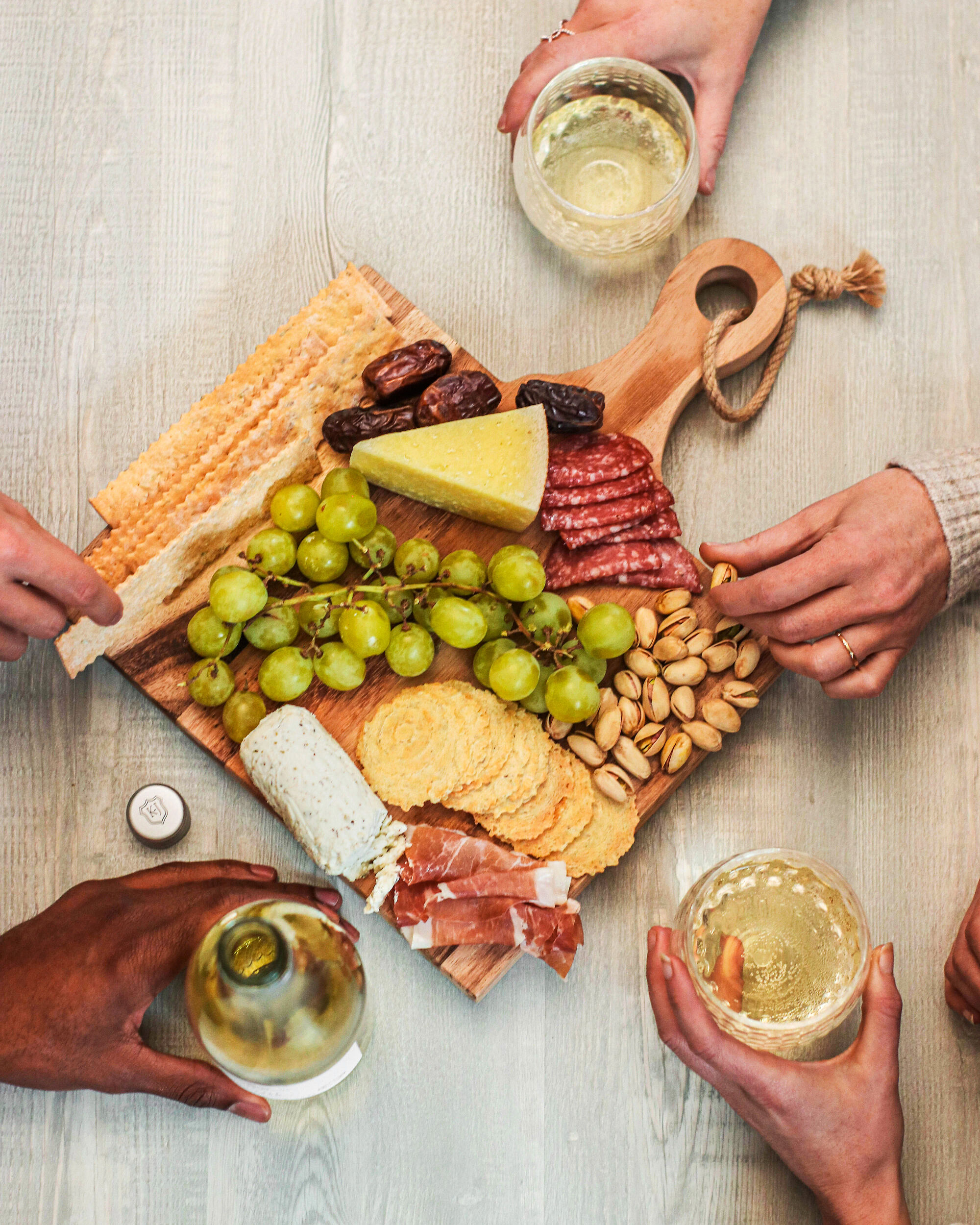
Recommended Viognier Food Pairings
Viognier’s aromatic intensity and moderate, yet soft acidity make it a joy to pair with food. It loves bold, spicy, savory, or cream dishes that complement its fruit-forward nature and floral perfume.
Try it with:
- Roasted Chicken or Pork: Especially with apricot or peach glaze or herb butter.
- Indian Curries: Viognier’s touch of sweetness tempers heat beautifully.
- Grilled Lobster or Scallops: With a buttery sauce. Try it also with spicy seafood, like curry shrimp or coconut-lime scallops.
- Soft Cheeses: Like triple cream Brie or mild goat cheese.
For a fun twist, check out our blog on how to pair wines with pizza—Viognier can absolutely hold its own with white sauce or veggie-loaded pies.
Explore more food pairings and recipes on our entertaining guide.
How to Properly Serve Viognier
To enjoy Viognier at its best:
- Temperature: Serve slightly chilled at 50°F to 55°F. This temperature preserves the wine’s vibrant aromatics while allowing the body to express itself fully.
- Glassware: Use a medium white wine glass with a slightly wider bowl to capture all those gorgeous floral and fruit aromas.
Discover the best glassware for every wine type in our Premier Guide to Wine Glasses.
Viognier vs Popular White Wines
If you're curious how Viognier stacks up next to more familiar white wines, you're not alone. Let’s take a closer look at how it compares to Chardonnay, Sauvignon Blanc, and Pinot Grigio—the three white wine staples most folks reach for.
Viognier vs Chardonnay
Chardonnay and Viognier are often grouped together because they share a fuller body and the ability to stand up to richer foods. But that’s about where the similarities end. While Chardonnay is known for its buttery texture, oak aging, and flavors of apple, pear, and vanilla, Viognier skips the butter and leans into perfumed, floral aromatics with stone fruit and a touch of spice. Viognier is also typically less acidic than Chardonnay, making it feel rounder and more lush on the palate. If you love the weight of a good Chardonnay but want something more fragrant and exotic, Viognier is a natural next step.
Viognier vs Sauvignon Blanc
Where Viognier is all about lush fruit and heady aromas, Sauvignon Blanc is sharp, zesty, and refreshing. Sauvignon Blanc brings vibrant acidity and a green, herbaceous edge—think lime, green apple, gooseberry, and fresh-cut grass. Viognier, on the other hand, tends to be lower in acidity and much more aromatic, with ripe peach, honeysuckle, and spice leading the way. These two wines live on opposite ends of the flavor spectrum: Sauvignon Blanc is your crisp, clean, citrusy go-to, while Viognier is your sultry, fruit-forward, floral companion.
Viognier vs Pinot Grigio
Pinot Grigio is often praised for its clean, no-fuss personality—dry, light-bodied, and refreshing, with subtle notes of lemon, melon, and almond. Viognier is like its more expressive cousin. It’s fuller, more aromatic, and delivers a bigger flavor experience with floral notes and ripe stone fruit. While both wines can shine with light dishes like seafood or salads, Viognier has more weight and aromatic complexity, making it a great pairing for bolder ingredients and richer textures. If Pinot Grigio is your everyday porch sipper, Viognier might be the bottle you open when you’re feeling just a little fancy.
Taste Top-Rated Viognier Wine from Kendall-Jackson
At Kendall-Jackson, we believe great wine begins in the vineyard. Our Jackson Estate Yorkville Vineyard Viognier 2023 captures the very best of this expressive varietal, grown in the cool-climate, ocean-influenced hills of Mendocino County.
This wine is a celebration of everything we love about Viognier—lush aromatics of honeysuckle, plumeria, and orange blossom, followed by rich apricot fruit with marmalade and baking spices, and a clean, lingering finish. It’s crafted with care, passion, and a deep respect for the land.
Explore our full collection of white wines and discover your next favorite bottle:
Frequently Asked Questions
Is Viognier a sweet or dry wine?
Typically, Viognier is a dry wine, but sweeter styles exist.
Should you age Viognier wine?
Most Viogniers are best enjoyed young to capture their vibrant fruitiness, but high-quality Viogniers can benefit from additional aging in your cellar.
What is Viognier wine similar to?
Viognier is somewhat similar to Chardonnay in texture but shares the aromatic intensity of Riesling or Gewürztraminer.
What are some common misconceptions about Viognier?
One misconception is that Viognier is always sweet; in reality, most Viognier wines are dry with lush stone fruit and floral characteristics. Another is that it’s hard to pair Viognier with food, but in reality, this wine’s fruit-forward profile and modest acidity makes it wonderfully versatile.