

Share This
Welcome to the world of Zinfandel (pronounced zin-fuhn-del) or “Zin” as it’s often affectionately called. Whether you're a wine connoisseur or just dipping your toes into the vast ocean of wine varieties, this guide will take you through the intriguing history, flavors, and versatility of Zinfandel. Gain insights designed to enrich your appreciation and enjoyment of this exceptional grape as well as make you thirsty to uncork a bottle. Let’s dive in, shall we?
Zinfandel Wine Quick Facts
Here’s a quick snapshot of what makes Zinfandel special:
- Regions: Primarily California, with notable spots like Napa Valley, Sonoma County, Paso Robles, and Lodi; Also, Italy, where it is known as Primitivo.
- Origin: This grape hails from Croatia, but it found its true home and heart in California.
- Taste: Expect a kaleidoscope of ripe berries—from raspberry to blackberry—and plum, often with a delightful spice twist.
- Sweetness: Typically dry, but some variations offer a hint of sweetness.
- Color: Deep, lush reds with purplish hues that reflect its ripe fruitiness. White Zinfandel, which is a rosé, has a lighter blush hue.
- ABV: Typically falls between 14% and 16%, making it a bold choice.
- Aging: While many Zinfandels shine when young, some have great aging potential.
What is Zinfandel Wine?
Zinfandel is a medium-to-full-bodied red wine known for its bold flavors and high alcohol content. It's a crowd favorite for its approachable yet complex profile, as well as its ability to pair with a wide range of dishes. Ready to uncover more about this iconic wine?
The History of Zinfandel
Zinfandel’s history is a bit complex. Its journey began in Croatia, where it was known as Tribidrag or Crljenak Kaštelanski (we won’t even try to pronounce that one!). Eventually, this dark, thin-skinned grape made its way to Italy, where it acquired the name Primitivo. In the 1830s, the grape was imported into Boston, where New England growers called it “Zenfendel” or “Zinfindal.” The grape then accompanied settlers who flocked to California during the Gold Rush in the 1850s and named it Zinfandel. The preferred libation of miners, Zinfandel quickly became a defining grape of California’s wine scene.
California’s warm climate and diverse soils allowed Zinfandel to flourish, and today, California is the world’s leading producer of this wine. Zinfandel is an integral part of the state's winemaking legacy. For a deeper dive into the nuances of California wine, check out this insightful blog.
Why Should You Drink Zinfandel Wine?
Wine lovers are drawn to Zinfandel’s rich flavors, versatility, and easy-drinking nature. Zinfandel’s interplay of vibrant fruit and subtle spice opens doors to endless pairing possibilities and serving occasions. Whether you’re hosting a casual gathering or a fancy dinner, Zinfandel fits right in. Plus, its approachable character invites everyone to join the fun—whether they’re seasoned wine drinkers or just starting their journey. Last but not least, Zinfandel offers an exciting alternative to Cabernet Sauvignon.
Zinfandel Tasting Notes and Flavor Profile
What does Zinfandel taste and smell like? Prepare for a sensory adventure. With every sip, you’ll encounter an explosion of ripe berries—blackberry, raspberry, and even a touch of plum. The fruit’s richness is often balanced by notes of spice, black pepper, cinnamon, and a hint of smokiness. The aromas can be alluring, with scents of vanilla, cocoa, and dried herbs that create a complex olfactory experience. Zinfandel typically has a medium to full body, with a mouthfeel or texture that ranges from velvety smooth to pleasantly tannic, making it versatile enough for any palate.
Where Does Zinfandel Come From?
When it comes to Zinfandel, California is where the magic happens. While the grape can be found in various corners of the globe—including Italy, where it’s known as Primitivo—California has perfected the art of Zinfandel winemaking, and the majority of it is produced here.
California:
- Napa Valley: Home to some of the most prestigious vineyards, Napa Valley produces Zinfandels that are rich, structured, and full-bodied, thanks to its ideal growing conditions.
- Sonoma County: With diverse microclimates, Sonoma County crafts Zinfandels that can range from bright and fruity to deeply complex and structured.
- Mendocino County: One of the top 10 California counties in terms of Zinfandel acreage, Mendocino County has a long history of growing this grape. Many vineyards are older with well-established vines, producing low yields of excellent fruit. Our Vintner’s Reserve Zinfandel is sourced from here.
- Paso Robles: Known for its bold, fruit-forward wines, Paso Robles showcases Zinfandels with high alcohol content and intense flavors, perfect for those who enjoy a robust sip.
- Lodi: Celebrated for its old vine Zinfandel, Lodi produces wines with deep character and intense, fruit-forward flavors with a softer finish.
Recommended Zinfandel Food Pairings
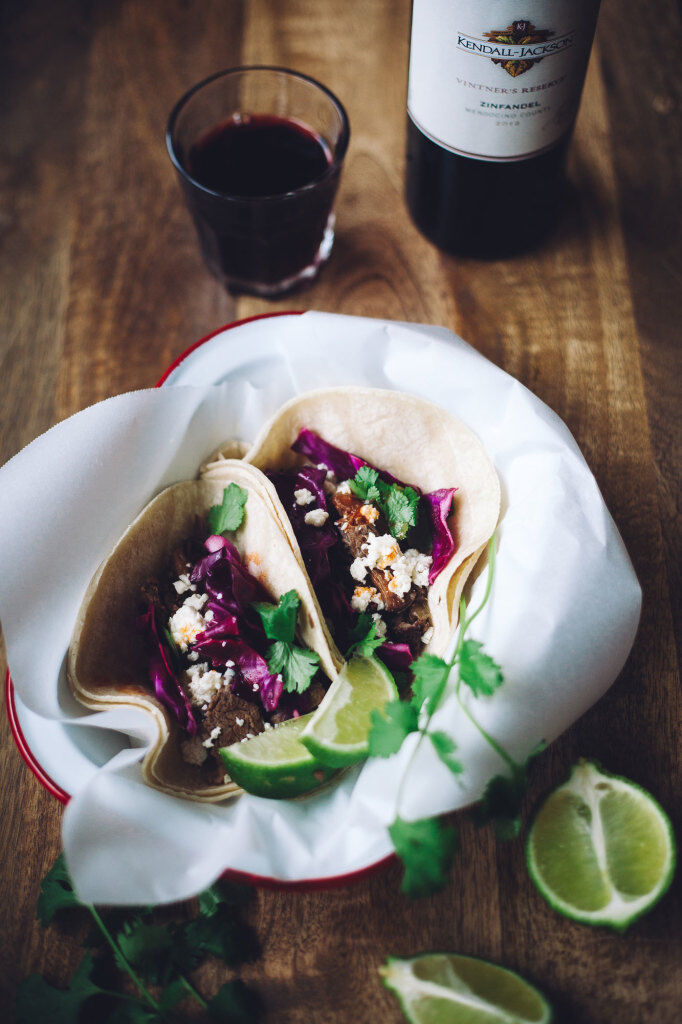
Zinfandel isn’t just about the wine—it’s about the experience of pairing it with delicious food. With its rich fruitiness and subtle spice, Zinfandel can enhance a variety of dishes. From pairing it with Brie for an appetizer to serving it with carrot cake for dessert, Zinfandel can complement your meal from soup to nuts. Here are some stellar pairing ideas:
- BBQ Ribs: The smoky, sweet flavor of barbecue is a match made in heaven with the fruitiness of Zinfandel. Explore our BBQ and Wine Pairings for even more delicious ideas.
- Braised Brisket Tacos: The tender meat perfectly complements Zinfandel's bold character. Don’t miss our recipe for Zinfandel Braised Brisket Tacos.
- Spicy Chicken Wings: The wine’s fruit flavors can handle the heat of the wings, while the wings’ spiciness elevates the wine’s fruit flavors. Check out our Chili Chicken Wings recipe for a fun pairing.
- Grilled Eggplant: If you’re vegetarian or a veggie-loving foodie, Zinfandel pairs wonderfully with eggplant and peppers. Enjoy a glass of Zin with Grilled Eggplant and Tomatoes.
- Savory Cheddar Toasts: Rich cheddar cheese and Zinfandel are a classic combination. Try our St. Patrick's Day Red Cabbage Cheddar Toasts for a comfort food revelation.
- Tamarind Oven-Baked Ribs: The tangy-sweet glaze pairs beautifully with Zinfandel’s fruity character. Discover our Tamarind Oven-Baked Ribs for a satisfying meal.
For more entertaining inspiration, visit our entertaining page.
How to Properly Serve and Store Zinfandel
To fully appreciate Zinfandel, serving and storing it correctly is essential.
- Serving Temperature and Glassware: Aim for a slightly cooler-than-room-temperature serving, around 60-65°F. Use a red wine or larger, tulip-shaped glass to let those beautiful aromas flourish—find the perfect glassware suggestions here.
- Decanting and Aerating: Let your Zinfandel breathe for about 30 minutes to an hour to enhance its flavors. We recommend decanting Zinfandel to soften the tannins and open up its flavors, enriching your tasting experience.
- Cellaring and Aging Potential: While many Zinfandels are delightful when young, quality bottles can age beautifully. Store them in a cool, dark place with stable temperature and humidity. For more tips, check out our Wine Storage Guide.
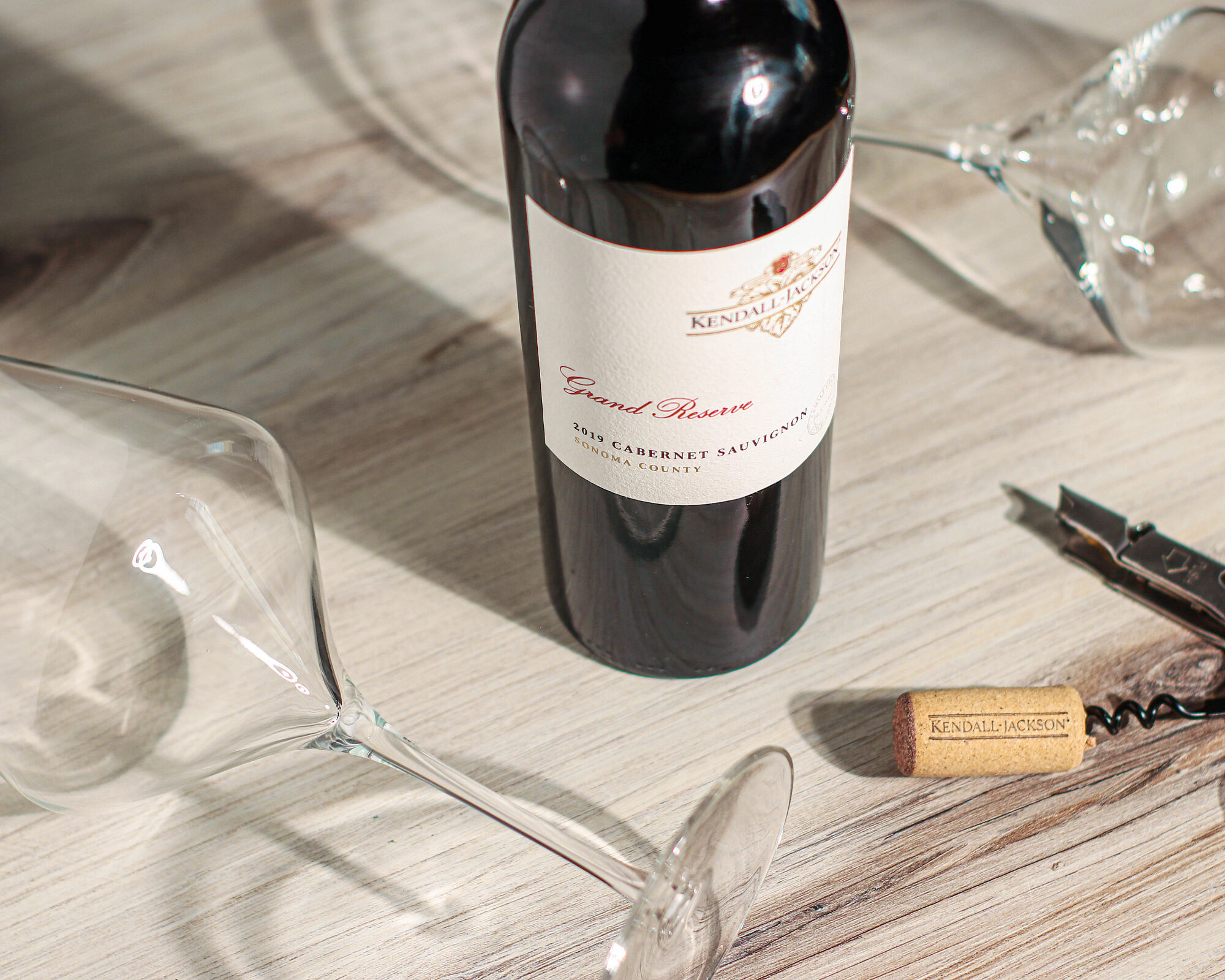
Zinfandel vs. Cabernet Sauvignon
Zinfandel and Cabernet Sauvignon are both powerhouses in the wine world, but they offer distinct experiences.
Zinfandel tends to be more fruit-forward and often displays a fun spiciness, while Cabernet Sauvignon presents a more structured, earthier profile with deeper, darker fruit flavors and robust tannins. In terms of aromas, Zinfandel leans toward fruity and peppery notes, whereas Cabernet tends toward sultry dark fruits, baking spices, mint, tobacco, vanilla, and mocha.
Food pairings reflect these differences, too. Zinfandel shines with BBQ, peppery dishes, and spice cake or gingerbread, while Cabernet is the go-to for red meats, aged cheeses, rich sauces, and dark chocolate desserts.
In terms of growing regions, Zinfandel is primarily produced in California, whereas Cabernet is produced much more widely around the world, namely in California, Bordeaux, Australia, and Chile. Both wine varieties are exceptional in their own right. If you're interested in doing your own taste test with Zinfandel and Cabernet, don’t forget to check out our selection of Cabernet Sauvignon.
Shop Award-Winning Zinfandel from Kendall-Jackson
At Kendall-Jackson, we’re passionate about crafting exceptional wines that reflect both their variety and their vineyards. Our Vintner’s Reserve Zinfandel is a shining example of that dedication. This wine captures the essence of Zinfandel and Mendocino County with its rich fruit flavors, balanced spice, and smooth finish.
Explore our selection of Zinfandel wines, and find the perfect bottle to elevate your next gathering or dinner party.
Frequently Asked Questions
Is Zinfandel sweet or dry?
Zinfandel is typically dry, but can have a slightly sweet finish, especially in White Zinfandel versions. Zinfandel’s fruitiness and high alcohol content can give the impression of sweetness, even when the wine is dry and has no sugar.
Are there different types of Zinfandel wine?
Yes! From bold old vine Zinfandel to sweet White Zinfandel and rich late-harvest styles, there’s a Zinfandel for every palate.
How is Zinfandel different from other red wines?
Zinfandel is known for its fruit-forward, sometimes jammy quality and spice, setting it apart from more tannic wines like Cabernet Sauvignon or Nebbiolo.
What are the most common misconceptions about Zinfandel wine?
A common myth is that Zinfandel is always sweet and jammy. While White Zinfandel is on the sweeter side, red Zinfandel can be dry and sophisticated. Another misconception is that Zinfandel is an inferior wine variety, when in fact, Zinfandel is a vital part of winemaking history and has the potential for incredible complexity.