Share This
Cabernet Sauvignon has long been celebrated as the king of red wines—and for good reason. With bold tannins, rich dark fruit, and a robust structure that few other varieties can match, it's the kind of wine that commands attention from the moment it hits the glass. Many wine lovers enjoy it young, when the fruit is lush and the flavors are front and center. But for those willing to wait, the real reward comes later.
Aging Cabernet Sauvignon unlocks layers of complexity that simply aren't present in a newly released bottle. As the wine ages, new aromas and flavors surface, tannins soften, and a liquid that once felt bold and assertive transforms into something deeply nuanced and memorable.
The great news is that aging Cabernet Sauvignon is not complicated. This guide covers everything you need to know to set yourself up for success—from understanding why Cabernet ages so well to gaining practical steps for storing and serving this classic varietal with confidence.
Why Cabernet Sauvignon Ages So Well
Not every red wine is built for the long haul, but Cabernet Sauvignon is. Its natural chemistry makes it one of the most age-worthy varieties in the world, and understanding why will help you make more informed decisions about when to open a bottle.
The Role of Tannins
Tannins are one of Cabernet Sauvignon's defining characteristics. These compounds, contained in the grape’s seeds, stems, and skin, act like the supportive frame of a house—they hold everything up. When the wine is young, they can feel firm or grippy.
As the wine ages, the tannins soften, creating a smoother, rounder texture and adding layers of complexity. Think of it like the wooden beams of a house settling and becoming seamlessly intertwined over time with the rest of the structure to create a cohesive, well-balanced home that feels solid and inviting. This shift in texture is one of the most compelling reasons to practice patience with a great bottle.
Acidity and Structure
Acidity is the backbone of any age-worthy wine. Just as spritzing a freshly peeled apple with lemon juice keeps the fruit from turning brown, healthy acidity acts as a natural preservative in Cabernet Sauvignon. It slows oxidation and maintains the wine's freshness over time. Without it, the wine would flatten out within a few years. With it, the wine can evolve gracefully for a decade or more, developing additional flavors from aging in barrel and bottle—characteristics like leather, tobacco, dried fruit, and earth that no young wine can offer.
Oak Aging and Flavor Development
Most quality Cabernets spend time in oak barrels before they're bottled, and that influence continues to play out in the bottle over time. Depending on its origin (American, French, etc.) and toast level (light, medium, or heavy), a barrel can contribute notes such as vanilla, coffee, toast, cedar, and baking spice to the wine. As the wine ages, those elements integrate more deeply into the overall flavor profile, contributing to the complexity and richness that make a mature Cabernet so satisfying.
How Long Should You Age Cabernet Sauvignon?
The honest answer is that it depends on the wine. Entry-level Cabernets benefit from at least 3–5 years of aging to soften tannins and bring balance to the fruit. Higher-end, structured wines—especially those from high-quality regions like Sonoma County, Napa Valley, and Bordeaux—can evolve beautifully for 10, 15, or even 20+ years. Mountain-born Cabernet Sauvignons are particularly equipped with powerful tannins and acidity for long-term aging.
When deciding how long to cellar your bottle, pay attention to region, vintage (cooler vintages tend to have greater acidity), and a producer’s reputation for quality. You can also check with a trusted wine retailer for their advice or read critics’ reviews, which often include advice on how long to age a specific wine.
5 Key Tips for Aging and Storing Cabernet Sauvignon
Proper cellaring makes all the difference between a wine that evolves beautifully and one that deteriorates before its time. Here are five tips to help your Cabernet reach its full potential.
1. Store Cabernet Sauvignon at a Consistent Temperature
Temperature stability is arguably the most important factor in wine aging. Aim for a consistent cellar temperature between 55°F and 58°F to protect the wine’s delicate balance. Avoid storing wine near appliances that generate heat, in garages with temperature swings, or anywhere that gets warm in the summer months. A steady, cool environment like a dedicated wine fridge or underground cellar offers the most reliable conditions.
2. Keep Bottles Away From Light
UV light is a wine's enemy. It degrades the organic compounds that give wine its flavors and aromas, leading to a condition sometimes called "light strike." Store your Cabernet in a dark environment—think of it like giving your bottle its own cozy retreat.
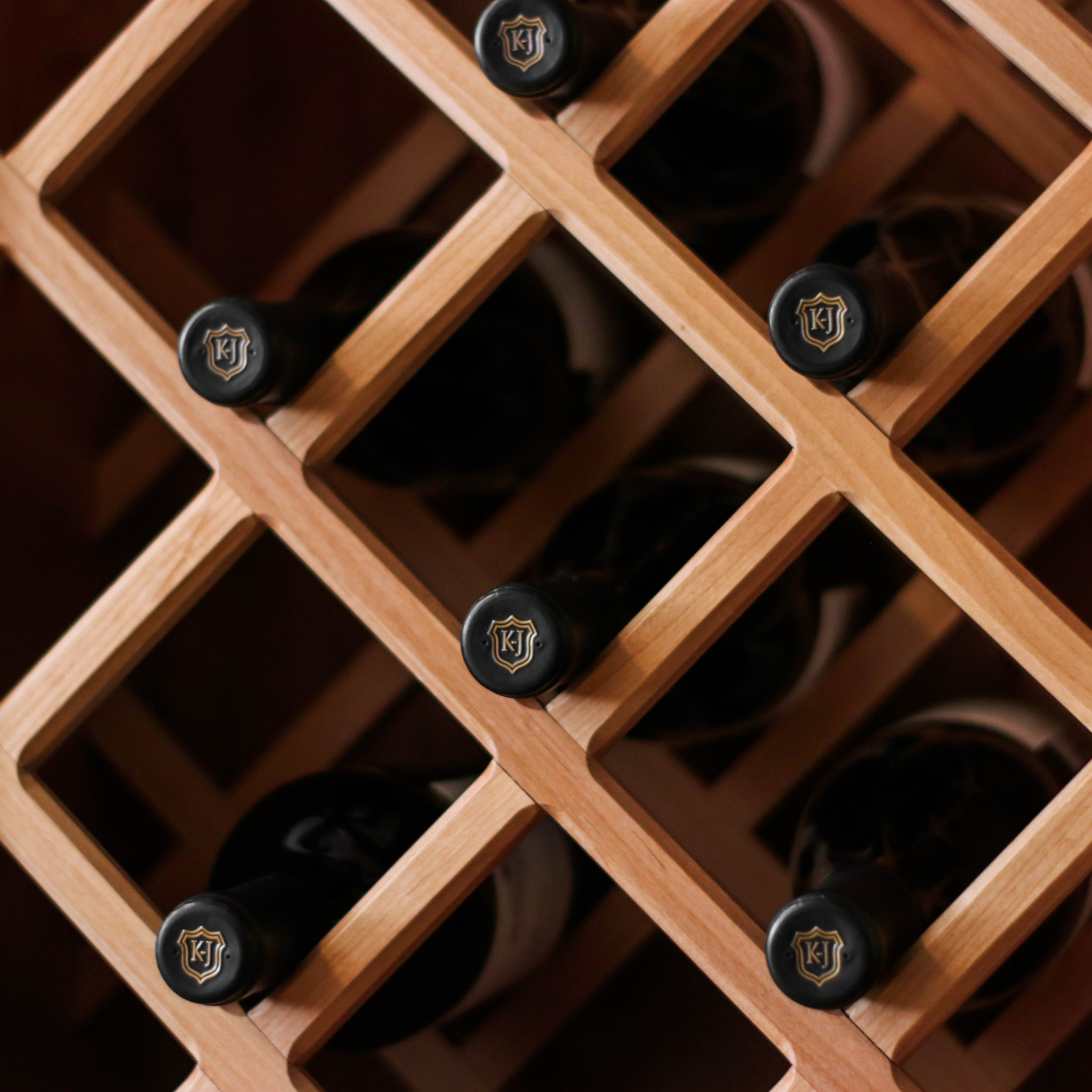
3. Store Bottles on Their Side
Laying your Cabernet bottles on their sides keeps the wine in contact with the cork, preventing it from drying out and ensuring it stays expanded. A dry cork can shrink and allow air into the bottle, which will oxidize the wine prematurely. This is one of the simplest and most effective ways to protect a bottle intended for long-term aging. A happy cork means a happy wine.
Note: Wines sealed with screw caps don't require horizontal storage for this reason, but many quality Cabernets are still bottled with natural cork.
4. Maintain Proper Humidity
Humidity levels between 50% and 70% are ideal for wine storage. Too dry, and corks dry out. Too humid, and mold can develop on the labels and potentially compromise the cork. Basements often offer natural darkness and consistent humidity, making them well-suited for cellaring without a major investment.
Unsure how humid your storage space is? Mount a simple, inexpensive hygrometer to measure and monitor the humidity levels.
5. Be Patient and Check Your Wine Periodically
Aging wine is part science, part intuition. With that said, it's worth tasting a bottle every few years to track how your wine is developing. If you have multiple bottles of the same wine, open one every couple of years to assess its progress. You'll start to develop an intuition for when a wine is at its peak—and that knowledge makes every future bottle more enjoyable.
In sum, if you want your Cabernet to age with grace, storage conditions matter. A consistent environment will protect subtleties, encourage complexity, and reward your patience down the road.
Note: If you're storing an opened bottle, K‑J also offers guidance on keeping wine fresh here: How to Store Open Wine

The Best Way to Serve Cabernet Sauvignon
Serving Cabernet at the right temperature and in the right glass is key to elevating your sipping experience.
- Serving temperature: Aim for 60–65°F. Too warm, and the alcohol overpowers; too cold, and the flavors hide, and the tannins feel astringent. If your bottle has been stored in a cellar or wine fridge, take it out about 30 minutes before serving to let it reach the ideal temperature.
- Decanting: Most Cabernets—especially younger ones—benefit from decanting. This simple step opens up the wine’s aromatics, flavors, and texture. Older vintages may have sediment that needs to be separated, and decanting allows you to pour off the clear wine while leaving any deposits behind. A younger, more robust Cabernet can handle an hour or more of decanting, while an older, more delicate Cabernet might only need 15 minutes or less to open up.
- Choosing the right wine glass: For Cabernet Sauvignon, a Bordeaux-style glass is the ideal choice. This tall, broad-bowled glass allows the wine to breathe and concentrates the aromas toward the nose, while its tapered rim delivers the wine smoothly across the palate. Learn More: Our comprehensive guide to selecting the right glassware for wine.
Kendall-Jackson Trace Ridge Cabernet Sauvignon: Built for Aging
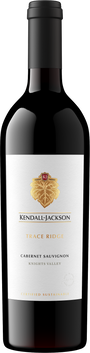
If you're looking for a Cabernet Sauvignon with terrific aging potential, the Jackson Estate Trace Ridge Cabernet Sauvignon is a perfect place to start. The Trace Ridge vineyard lies at nearly 1,000 feet in elevation on the western slope of Mount St. Helena in Knights Valley, Sonoma County. Here, the grapes grow above the fog line, receiving intense sunlight by day to develop small grape clusters with intense flavors.
At night, the temperatures drop, prolonging the ripening period, which not only means more complex aromas and flavors for the grapes, but it also ensures the fruit holds onto its acidity and tannins—components critical for aging well. Over time, this wine develops layers of dark fruit, coffee, and a hint of chocolate. Whether you open it at five years or fifteen, Trace Ridge feels like a celebration of patience paying off.
Of course, Trace Ridge is just one star in the broader constellation of K‑J reds. From powerful and finessed Cabernet Sauvignon to vibrant, layered Pinot Noir and our entire showcase of top-rated red wines, Kendall‑Jackson offers a full portfolio designed to elevate your every moment—whether it’s a big holiday dinner or an everyday meal at home.
Jackson Estate
2022
Knights Valley
points
750ml
$80
bottle
Start Your Cabernet Journey
Aging Cabernet Sauvignon is one of the most rewarding experiences wine has to offer. Have fun using the tips in this guide to properly store your Cabernet and serve it thoughtfully when the time comes. You don't need an elaborate cellar or years of expertise to get started—just good wine, a little knowledge, and a willingness to wait. We promise it will be worth it, cheers!