
Share This
Say the words "California white wine," and one grape comes to mind before any other: Chardonnay. It's the varietal that put California on the world's wine map 50 years ago, and it remains our state's most iconic—and most poured—white wine. What makes California Chardonnay so beloved isn't just its familiarity; it's the incredible range this one grape can express. From the fog-cooled coastlines of Sonoma County to the sun-drenched interior of Napa Valley, California's climatic, geologic, and geographic diversity, along with generations of winemaking know-how, gives Chardonnay a spectrum of flavors and styles that few other regions can rival. If you've ever wondered why one Chardonnay tastes rich and buttery while another feels bright and citrusy, that's the beauty of it: There's a Chardonnay for every palate, every plate, and every occasion.
At Kendall-Jackson, Chardonnay is one of our greatest passions. Our Vintner's Reserve Chardonnay has been America's #1 selling Chardonnay for more than 30 years—a milestone we're proud of and grateful for. After four decades of farming, blending, and pouring this grape, we've picked up a few things worth sharing. Consider this your friendly California Chardonnay wine guide: its top growing regions, winemaking styles, tasting notes, food pairings, and how to serve and store it like a pro. Along the way, we'll show you a few of our favorite bottles worth pouring. Whether you're new to Chardonnay or a longtime fan, we hope you'll leave with a deeper appreciation for California's flagship white and maybe a few new favorites. Curious to dig deeper into the wider world of Chardonnay? Visit our Chardonnay 101 education hub.
Quick Facts About California Chardonnay
Short on time? Here's everything you need to know about California Chardonnay in one quick pour:
- The most popular white wine grape planted in California
- Styles range from buttery and oaked to crisp and unoaked
- Grown in Sonoma County, Napa Valley, Mendocino County, Central Coast (Santa Barbara and Monterey Counties), and beyond
- Common Chardonnay flavors include apple, pear, lemon, tropical fruit, vanilla, and a touch of baking spice
- Pairs beautifully with seafood, roast poultry, creamy pasta, and soft cheeses
What is California Chardonnay?
Chardonnay is a versatile white grape that thrives in many climates and adapts well to various winemaking styles. Originally from Burgundy, France, it is one of the most widely planted white wine grapes in the world, and California is one of its greatest homes.
- A grape that adapts. Chardonnay is famously expressive, taking on the character of the soil, the climate, and the winemaker's hand.
- Why California shines. Long, sunny days ripen the fruit fully, while cool Pacific fog and coastal breezes preserve the acidity that keeps Chardonnay fresh, food-friendly, and age-worthy.
- A style for every palate. California Chardonnay can be rich and oak-kissed, or bright and stainless-steel-crisp.
California Chardonnay Flavor Profile
Because Chardonnay is so influenced by where it's grown and how it's made, its flavor profile is wonderfully diverse.
Primary Flavors and Aromas
Most California Chardonnays lean into orchard and tropical fruit, with layers of oak spice and creamy texture depending on the style.
- Expect green apple, pear, and lemon in cooler-climate or unoaked styles.
- Look for pineapple, mango, papaya, baked apple, and vanilla in warmer-climate or barrel-aged styles.
- Remember that ripeness and region shape the balance: Cool coastal fruit brings citrus and minerality, while warmer sites bring lush tropical notes.
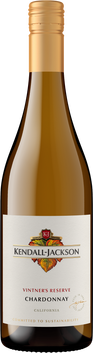
Our Vintner's Reserve Chardonnay is a great example of a classic California expression. Sourced from cool coastal vineyards in Sonoma, Mendocino, Monterey, and Santa Barbara Counties, it delivers beautifully integrated flavors of baked apple, lush tropical fruit, and citrus—finished with a kiss of butter and vanilla that lingers on the palate.
Texture and Structure
Beyond flavor, Chardonnay's mouthfeel is a big part of its charm. “Mouthfeel” is exactly what it sounds like—how the wine feels in your mouth, when it touches your tongue, gums, and the inside of your cheeks. Similar to the way a fabric’s texture feels in your hands, a wine’s texture can present itself in different ways in your mouth.
Chardonnay typically has:
- Medium to full body, with a satisfying weight on the palate;
- Moderate acidity that keeps the wine lively and food-friendly; and
- A range of textures from bright and refreshing (unoaked) to rich, round, and creamy (barrel-aged).

Top California Chardonnay Growing Regions
The magic of California Chardonnay is that no two regions taste the same. Climate, elevation, soil, and proximity to the coast all leave their fingerprints on the fruit—and the finished wine.
Sonoma County Chardonnay
Sonoma County is one of the world's great homes for Chardonnay, thanks to the cooling influence of the Pacific Ocean and the Russian River, which pulls maritime fog inland. That coastal breath slows ripening and preserves acidity, giving Sonoma County Chardonnays their signature balance and vibrant fruit. Sub-regions like the Russian River Valley and Sonoma Coast are especially prized—the long, cool growing season allows the fruit to develop complex, layered flavors without losing brightness.
Sonoma County is our home too. Our Wine Estate & Gardens are in Santa Rosa, and many of our most prized estate vineyards are located in one of the nested appellations here, including the Russian River Valley, West Sonoma Coast, Petaluma Gap, Knights Valley, Alexander Valley, Carneros, Bennett Valley, and Sonoma Valley.
Our Jackson Estate Cloud Landing Chardonnay is a beautiful example of what this region can do. This wine is sourced from our family’s vineyard in the Petaluma Gap—a region defined by cooling ocean fog and persistent winds that pass through a 15-mile opening in the coastal mountain range and into the vineyards. This mineral-driven wine teems with natural acidity that perfectly balances its ripe pear and honeycomb flavors.
Napa Valley Chardonnay
Napa Valley is best known for its Cabernets, but it also produces some of California's richest, most opulent Chardonnays. Warmer daytime temperatures and later ripening translate to fuller-bodied wines with generous ripe fruit. Moreover, Napa winemakers often lean into extended oak aging to create wines that are round, creamy, and layered with ripe apple, tropical fruit, vanilla, brioche, and baking spice notes. It's a Chardonnay style built for special occasions and rich, savory dishes.
At Kendall-Jackson, our focus is on cool coastal vineyards up and down the California coast, but our appreciation for Napa Valley’s richer, oak-influenced style is one we know well and celebrate in wines like our Stature Chardonnay.
Central Coast Chardonnay
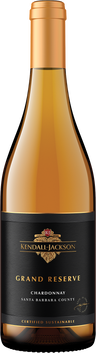
Head south to California's Central Coast and Chardonnay takes on a different personality—brighter, more citrus-driven, and often layered with mineral notes and a kiss of salinity. In Santa Barbara County, the transverse mountain range runs east–west, pulling ocean air directly into the vineyards and creating one of the coolest wine-growing regions in California. Our Grand Reserve Chardonnay, sourced from our estate vineyards in Santa Barbara County, reflects this marine-driven landscape with its tropical fruit and bright minerality.
In Monterey County, the Blue Grand Canyon—a deep-sea trench off the coast—holds deep, cold water that rises to the surface and creates cooling fog and breezes that temper the climate. To taste this influence yourself, try our K-J x NBA Monterey County Chardonnay, which shines with crisp citrus, vibrant pineapple, fresh apple, and a hint of honey—all delivered in smooth layers.
Chardonnay Winemaking Techniques Explained
Winemakers are fond of saying that Pinot Noir is made in the vineyard, and Chardonnay is made in the cellar. While Chardonnay (like Pinot Noir) reflects where it’s grown, it is very adaptable to winemaking techniques in the cellar (unlike Pinot Noir). Here are three Chardonnay winemaking techniques you'll see mentioned often.
Malolactic Fermentation
When a grape becomes wine, it goes through a primary fermentation, in which yeast eats the grape sugar and converts it into alcohol. Winemaking can stop there or allow a secondary fermentation to occur. This secondary fermentation is known as malolactic fermentation, in which good bacteria are used to transform the wine’s malic acid (think green apple) into lactic acid (think creamy milk). A winemaker might allow malolactic fermentation to occur when sourcing from a cooler region, where the acid can be sharper.
A by-product of this secondary fermentation is diacetyl—a compound that gives that hallmark buttery note in many California Chardonnays. Winemakers wishing to avoid that buttery taste, however, can opt for bacteria that produce less diacetyl. A Chardonnay can be rich and creamy, in other words, without having that buttery character to it.
Oak Aging
When it comes to aging wine in new versus neutral oak barrels, the tea bag analogy is helpful to revisit. New barrels, just like a fresh tea bag, will impart more flavor into the liquid than neutral barrels. By contrast, neutral barrels, like a used tea bag, will add texture and complexity to the wine without imparting flavor.
A barrel’s wood type, toast, and size also matter. American oak tends to add vanilla and caramel notes, while French oak contributes earth and spice. The more toast a barrel goes through, the more certain notes, such as spice, vanilla, and coffee, will permeate a wine. Smaller barrels—because they have a greater surface-to-wine ratio—will pass on more flavor to the wine than larger barrels.
Winemakers strive to let the barrels complement rather than overwhelm the wine. Interested in learning more? Read our blog: How Oak Barrels Affect Chardonnay.
Lees Aging (Sur Lie)
Once the winemaker is ready to age the wine, he or she can choose to stir the spent yeast cells (known as “lees”) back into the wine to create texture and complexity. This technique is often referred to as “sur lie” aging, which is French for aging “on the lees.” If you like Chardonnay with a creamy texture and subtle brioche or toasted notes, you’ll want to look for wines that have gone through lees aging. Our Grand Reserve Chardonnay, for example, undergoes lees stirring twice monthly while aging to integrate the fruit and oak and lend a creamy mouthfeel that balances the wine’s bright acidity and minerality coming from Santa Barbara’s cool, coastal climate.
California Chardonnay Food Pairings
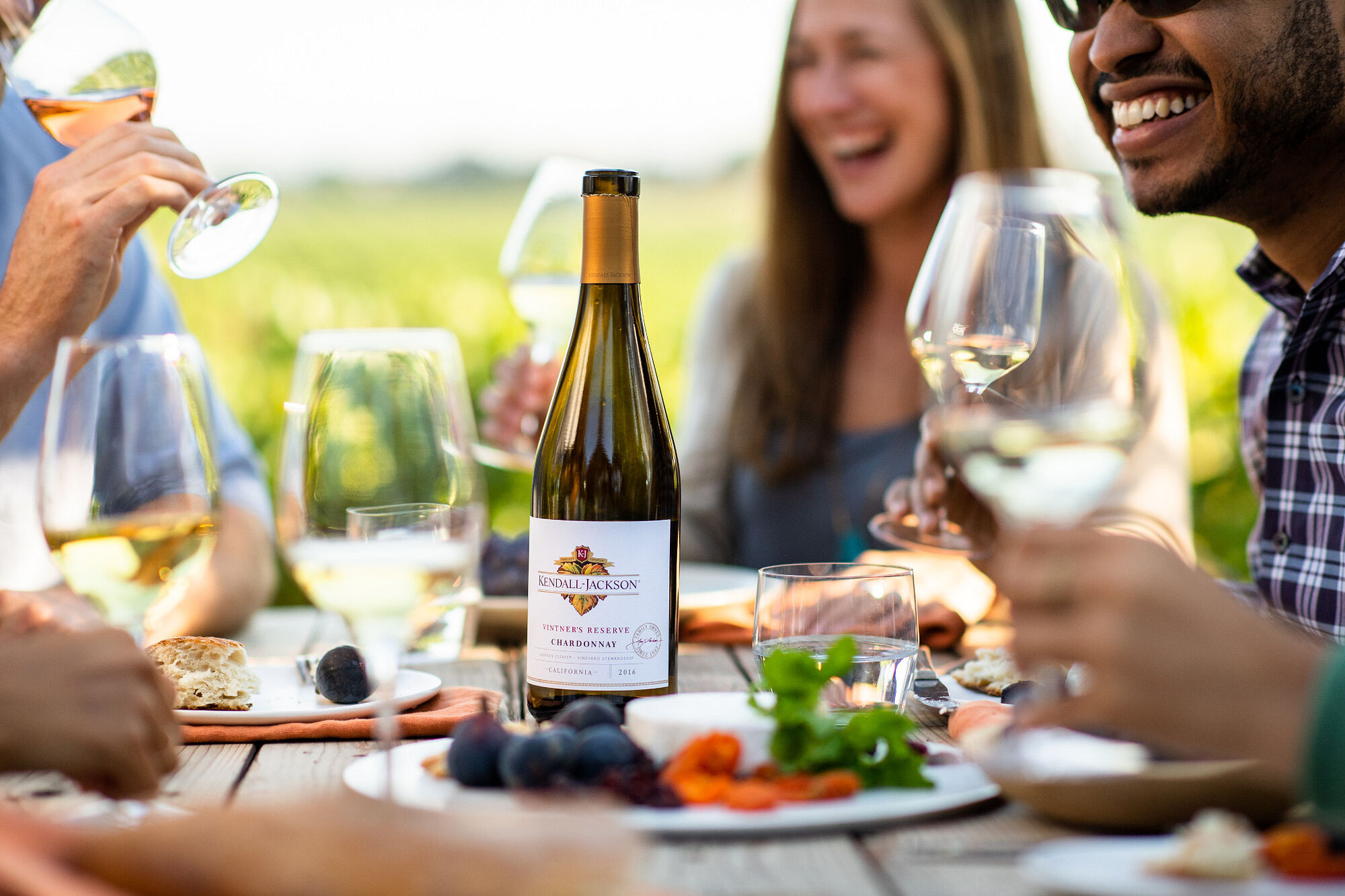
One of the biggest reasons Chardonnay wine is so loved is its incredible food friendliness. Whether you're planning a weeknight dinner or a big celebration, pairing Chardonnay with food is a rewarding way to bring out the best in both. Check out our comprehensive wine and food pairing guide for more ideas for Chardonnay (and other grape varieties).
Seafood Pairings
- Try lobster, crab, shrimp, scallops, and salmon.
- Why it works: Chardonnay's acidity cuts through the richness, while its body stands up to the sweetness of shellfish and the fattiness of salmon. Don’t hesitate to try a crisp, unoaked Chardonnay with ceviche or oysters.
Poultry and Creamy Dishes
- Pair with roast chicken, turkey, creamy pastas, and risottos.
- Why it works: The wine's weight and creamy texture complement rich sauces and tender poultry—think fettuccine Alfredo meets Vintner's Reserve. One of the most delicious pairings is fried chicken with sparkling Chardonnay.
Cheese Pairings
- Serve with soft cheeses like Brie and Camembert, and aged cheeses like Gruyère.
- Why it works: Chardonnay's acidity balances the fat, and oaked styles echo the toasty, nutty notes in aged cheeses. An unoaked Chardonnay is a perfect pairing for fresh goat cheese.
What to Avoid
Extremely spicy dishes can clash with oak-aged Chardonnay and amplify its alcohol. Alternatively, a fruit-forward Chardonnay, like our Vintner’s Reserve, or a lower alcohol version, like our K-J Light Chardonnay, can support spicier cuisines, such as those from Asia or India, quite beautifully.
Similarly, unless you are pouring an unoaked Chardonnay, you will want to avoid highly acidic foods, like salads with vinegar- or citrus-based dressings, as the tart dressing will clash with the creamy mouthfeel (sort of like drinking orange juice after you’ve brushed your teeth).
How to Serve and Store California Chardonnay
Follow these tips to maximize your Chardonnay experience.
Ideal Serving Temperature
Chardonnay is at its best served slightly chilled—around 50°F for most oaked styles, and a touch cooler (around 45–48°F) for crisp, unoaked expressions like Avant. Too cold, and you'll mute the wine's beautiful aromatics and complexity; too warm, and it can feel flat and boozy. A quick 20–30 minutes in the fridge before serving usually does the trick. For more temperature tips across every wine style, see our guide: What Temperature Should My Wine Be?
Glassware Recommendations
The right glass really does make a difference. Chardonnay shows best in a white Burgundy–style glass whose slightly wider bowl allows the wine’s aromatics to open up. If you don't have one, a standard white wine glass will absolutely do the job. Learn more in our Premier Guide to Types of Wine Glasses.
Storage Tips
Chardonnay likes cool, dark, and steady. Store bottles on their side (upright is okay if the bottle has a screw cap enclosure) in a place that stays around 55°F, away from direct sunlight and temperature swings. Once opened, reseal with the cork or a wine stopper and refrigerate. Most Chardonnays are best enjoyed within three to five days of opening. For everything you need to know about storing wine at home, visit our full guide: How to Store Your Wine (Or Not).
Kendall-Jackson's Legacy with California Chardonnay
We say it with gratitude, not ego: Kendall-Jackson helped shape the modern California Chardonnay category. When founder Jess Jackson released the first vintage of Vintner's Reserve Chardonnay in 1982, he had a bold vision: to craft a premium, flavor-forward Chardonnay that was widely accessible. That wine caught fire immediately, and more than 30 years later, it's still America's #1 selling Chardonnay.
That legacy is built on a few things we've stayed committed to: high-quality, cool coastal fruit from sustainably farmed vineyards, an obsessive barrel program with our own French oak cooperage partnership, and a winemaking style that balances richness with freshness so every glass tastes like California. Learn more about our story, our family, our vineyards, and our commitment to sustainability here.
Explore Kendall-Jackson Chardonnay Wines
Our Chardonnay portfolio spans classic to modern, and from everyday selections to special bottles. Below is a brief introduction to our different collections, with a few favorites to get you started.
Vintner's Reserve Chardonnay
The one that started it all. America’s top-selling Chardonnay for more than 30 years, Vintner's Reserve is classic California Chardonnay sourced from cool, coastal vineyards in Sonoma, Mendocino, Monterey, and Santa Barbara Counties. Fruit-forward, creamy, and beautifully balanced, it pairs easily with lobster, fettuccine alfredo, and corn on the cob. Whether you’re unwinding on the porch or gathering around the holiday table, it fits right in.
Grand Reserve Chardonnay
Sourced primarily from Santa Barbara County, our Grand Reserve Chardonnay is a step up in complexity and layered oak influence—a wine crafted for elevated moments. Lush tropical fruit meets citrus notes, with a hint of flowers, vanilla, and spice on the long finish. Perfect for thoughtful dinner parties or festive celebrations, it pairs beautifully with crab cakes, seared scallops, or roast poultry with cream.
Light Chardonnay
Same K-J quality, with a fresher, lighter profile for the modern moment. K-J Light Chardonnay delivers just 85 calories, 3 grams of carbs, and 0 grams sugar per serving. Bright and balanced, it delivers grapefruit, pineapple, and creamy lemon meringue flavors, plus a touch of vanilla and hazelnut from small French oak barrels. Perfect for brunch, poolside sipping, or weeknight dinners, it tastes delicious with avocado toast, fish tacos, or grilled chicken salad.
Jackson Estate Chardonnay
A winemaker’s selection that begins in the vineyard. Our winemaking team knows their favorite blocks and follows them into the barrels, then chooses their favorite barrels to blend these wines. The Jackson Estate Three Vistas Chardonnay is a stellar example of this collection. Sourced from the Russian River Valley appellation, where Pacific fog and alluvial soils create ideal conditions for cool-climate Chardonnay, this wine unfolds with layers of toasted oak, vanilla, caramel, and crème brûlée that complement its notes of orange peel, papaya, and baked apples, leading into a long, soft finish. It’s perfect for those special gatherings, like Thanksgiving, Christmas, or birthday celebrations, and pairs beautifully with roast poultry, brown butter scallops, or Brie and Camembert.