
Share This
We’ve all been there: The doorbell rings, friends arrive for an impromptu gathering, and the perfect bottle of Chardonnay you grab to serve is sitting on the counter at room temperature. Or maybe a Tuesday night simply calls for a perfectly chilled wine—right now. Don’t panic! Whatever the occasion, knowing how to chill wine fast can turn a near miss into a memorable moment.
We believe that wine creates moments of joy and connection, and a little thing like temperature shouldn't get in the way of that. Whether you’re hosting a dinner party or just winding down after a long day, serving your wine at the right temperature is key to unlocking its full potential. If a wine is too warm, its flavors can feel muted or heavy. Too cold, its aromas retreat. And while the refrigerator is great for planning ahead, sometimes life happens, and you need a cold bottle—fast.
In this guide, we are sharing five proven, simple methods to chill wine quickly and safely. These tricks are easy to do at home and will save the day when you're pressed for time. Plus, we’ll dive into why temperature matters so much and how to serve every varietal perfectly. Let's get that bottle ready to pour!
Why Proper Wine Temperature Matters
You might wonder, "Does temperature really make that big of a difference?" The short answer is yes! Temperature plays a massive role in how we perceive the aroma, flavor, and texture (or mouthfeel) of a wine. It’s a bit like Goldilocks—it needs to be just right.
When a wine is served too warm, the alcohol can taste more pronounced and overpower its delicate fruit flavors and floral aromas. The wine might feel flabby or heavy on the palate, lacking that crisp, refreshing snap we love, especially in white wines. On the flip side, if a wine is served too cold, the flavors and aromas shut down. The complex notes of fruit, oak, or spice become muted, and the wine can taste thin or overly acidic rather than inviting.
Different types of wine shine at different temperatures. White wines, rosés, and sparkling wines generally need a cooler environment to highlight their acidity and freshness. Red wines, often served at room temperature, actually benefit from being slightly cooler than most modern homes (which are usually kept around 70-75°F). A slight chill on a red wine can bring out its structure and tannin balance beautifully. Getting the temperature right ensures you are tasting the wine exactly as the winemaker intended—balanced, expressive, and delicious.
Finding that sweet spot enhances aroma, flavor, and mouthfeel. The goal isn’t icy cold—it’s harmony. And while these methods are fast, timing matters. Over-chilling or accidentally freezing a wine can dull its flavors or, in extreme cases, push its cork out entirely.
Method 1: Ice Bucket with Salt
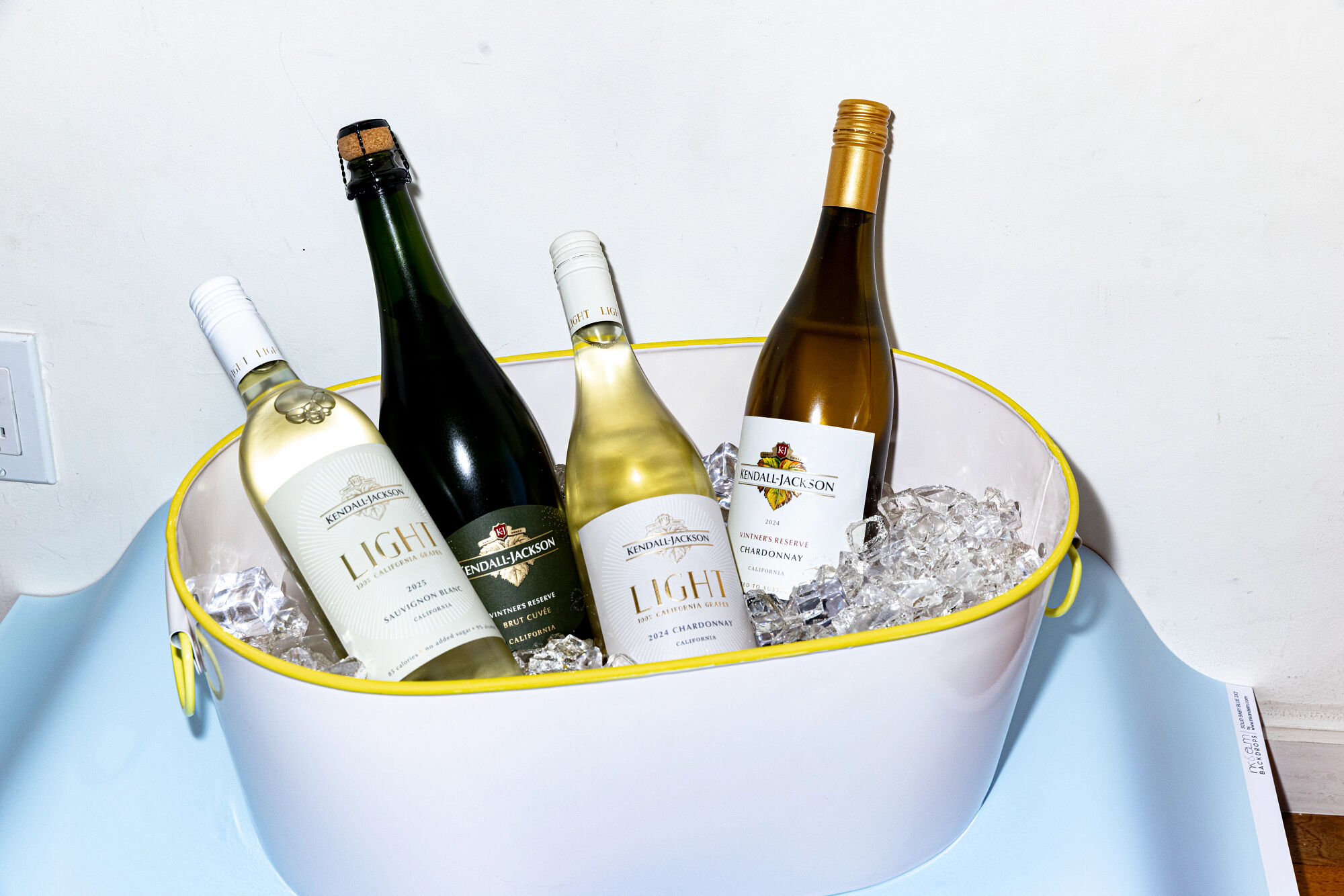
This is the gold standard of rapid cooling. It’s a classic science experiment that works wonders for your wine. Because salt lowers the freezing point of ice, it allows the ice water to get colder than ice alone. That colder environment draws heat from the bottle more efficiently, speeding up the chill. Sommeliers typically use this method when they need to prep a bottle quickly for a table.
How to do it:
- Fill the bucket: Place your wine bottle in the bucket. Fill the bucket about halfway with ice.
- Add water: Add cold water until the ice floats. The water helps transfer the cold to the bottle much more efficiently than air pockets in a bucket of dry ice.
- Add salt: Pour in a generous amount of salt—about a cup of kosher salt or table salt.
- Stir gently: Give the mixture a stir to dissolve the salt and circulate the cold water.
- Wait: Let the bottle sit. You can spin the bottle by the neck every minute or so to move the wine inside against the cold glass.
Time to chill an average bottle:
10-15 minutes for whites; 5-10 minutes for reds
Method 2: Freezer Quick Chill
"Can you put wine in the freezer?" is one of the most common questions we hear. The answer is yes, but with a friendly word of caution. The freezer is a powerful tool, but you don't want to forget about your bottle. After placing your bottle in the freezer, make sure to set a timer—see our timing recommendations below.
The reason this method works is that the freezer is essentially a very cold air bath. It surrounds the bottle with air that is well below freezing (usually around 0°F). While air is not as efficient a conductor as water, the freezer’s extreme cold will bring the temperature down relatively quickly.
How to do it:
Place the bottle upright in the freezer. It is best to stand it up so that if you do forget it and the wine expands as it freezes, it is less likely to leak or push the cork out messily. Set a timer on your phone immediately. This is the most important step: If you leave the bottle too long, the wine can freeze, which might push the cork out or crack the bottle. Plus, frozen wine can have its texture altered slightly.
Time to chill an average bottle:
- Red Wine: Check after 15-20 minutes.
- White Wine & Rosé: Check after 25-30 minutes.
- Sparkling Wine: Check after 30 minutes.
Always check early. Once chilled, remove promptly and serve or transfer to an ice bucket to maintain temperature.
Method 3: Wet Paper Towel Trick
If you are using the freezer method but need to shave off a few extra minutes, the wet paper towel trick is a clever hack. It combines the power of the freezer with the science of evaporation.
By wrapping the bottle in a wet medium, you are increasing the surface area for cooling. As the water in the paper towel evaporates in the dry environment of the freezer, it pulls heat away from the bottle. Eventually, the damp towel will freeze, creating an icy jacket around the glass.
How to do it:
Take two or three paper towels and wet them under the cold tap. Wring them out slightly so they aren't dripping, but are still quite damp. Wrap the wet towels tightly around the body of the wine bottle. Place the wrapped bottle in the freezer. Just remember to peel off the frozen paper towel before serving for a nicer presentation!
Time to chill an average bottle:
15-20 minutes
Method 4: Wine Chiller Sleeve or Ice Packs
For those who love outdoor adventures, picnics, or beach days, reusable wine chiller sleeves are a lifesaver.
These gel-filled sleeves, which you store in your freezer, act like a flexible ice pack that hugs your bottle directly. Because they are designed to fit the shape of a wine bottle, they provide direct contact with the cold source. They are fantastic because they not only chill down a room-temperature bottle but also keep a chilled wine cold for an hour or more while it sits on the picnic blanket. While wine chiller sleeves are not always the fastest method for chilling a wine, they’re efficient, mess-free, and wonderfully portable.
How to do it:
Keep the sleeve in the freezer at all times so it’s ready when you are. When you’re ready to head out or serve, simply slide the sleeve over the bottle. Some designs have elastic sides to fit different bottle shapes, from slender Riesling bottles to wider Chardonnay or Pinot Noir bottles.
Time to chill an average bottle:
15-25 minutes (faster if the wine is already cool)
Method 5: Submerge in Ice Water with Stirring
If you don't have salt handy or don't want to risk the freezer, a simple ice bath is still incredibly effective—much more so than just putting the bottle in the fridge. The key here is the water.
Have you ever noticed that 60-degree water feels freezing to jump into, but 60-degree air feels pleasant? That’s because water is a much better conductor of thermal energy than air. By submerging the bottle in icy water, you are ensuring that every part of the glass is in contact with the cold.
How to do it:
- Fill your bucket or container with about 50% ice.
- Fill the rest with cold tap water.
- Submerge the bottle up to its neck.
The Secret Weapon: Stir! Or spin the bottle. By spinning the bottle gently, you are moving the warmer wine from the center of the bottle to the outer glass, where it can be cooled by the ice water. You are also circulating the water so the warmed water near the bottle is replaced by icy water. For extra speed, add salt to the mix, as shown in Method #1, for maximum chilling efficiency.
Time to chill an average bottle:
20-30 minutes (10-15 minutes if you frequently spin the bottle)
Bonus Tips for Perfectly Chilled Wine Every Time
Now that you know how to chill wine fast, here are a few extra tips to ensure you always have the best experience:
- The Refrigerator Pre-Chill: If you have space, keep an "emergency bottle" of white or sparkling wine in the fridge. It’s always better to have one ready!
- Grapes as Ice Cubes: Freeze some grapes and pop them into your glass of white wine. They will cool the wine down without melting and diluting the flavor like regular ice cubes.
- Store Sparkling Upright: If you are using the freezer for a quick chill on sparkling wine, keep it upright. The pressure in the bottle is immense, and you want to avoid agitating the wine too much before opening.
- Invest in a Thermometer: If you are really getting into the nuances of wine, an infrared bottle thermometer is a fun gadget. It takes the guesswork out of the equation.
How to Serve Wine at the Right Temperature
Once you’ve used one of our fast-chilling methods, how do you know when to stop? Here’s a quick guide to the ideal serving temperatures for your favorite Kendall-Jackson wines.
White Wines & Rosés (45-55°F)
If you’ve ever wondered, should I chill white wine? Yes—almost always. Crisp whites like Sauvignon Blanc, Pinot Grigio, and bright rosés love a good chill, between 45-50°F. This temperature highlights their acidity and refreshing qualities. Think of our Vintner’s Reserve Sauvignon Blanc—at this temperature, the citrus and orchard fruit notes really pop. Richer whites, like a buttery Chardonnay, can be served slightly warmer (50-55°F) to let the texture shine. Explore Kendall-Jackson’s white wine and rosé wine collections for an exciting range of varieties to choose from.
Sparkling Wines (40-45°F)
Sparkling wines are happiest a bit cooler, around 40–45°F, to keep their bubbles lively and refreshing. If served too warm, sparkling wine can foam up excessively and lose its carbonation quickly. Kendall-Jackson offers traditional and tank method sparkling wines that instantly turn any moment into a celebration.
Red Wines (55-65°F)
Should red wine be chilled? Yes, lighter reds often benefit from a short stint in the fridge. Light-bodied reds like Pinot Noir are delicious around 55-60°F. This brings out their fresh berry notes, for example, in our Vintner’s Reserve Pinot Noir. Even fuller-bodied reds like Cabernet Sauvignon shouldn't be served "hot." Room temperature in summer can be 80°F, which makes red wine taste flat. Aim for 60-65°F for big reds to balance the tannins and alcohol. You’ll find everything from light-bodied Pinot Noir to full-bodied Cabernet Sauvignon and many more varieties in Kendall-Jackson’s red wine selection.
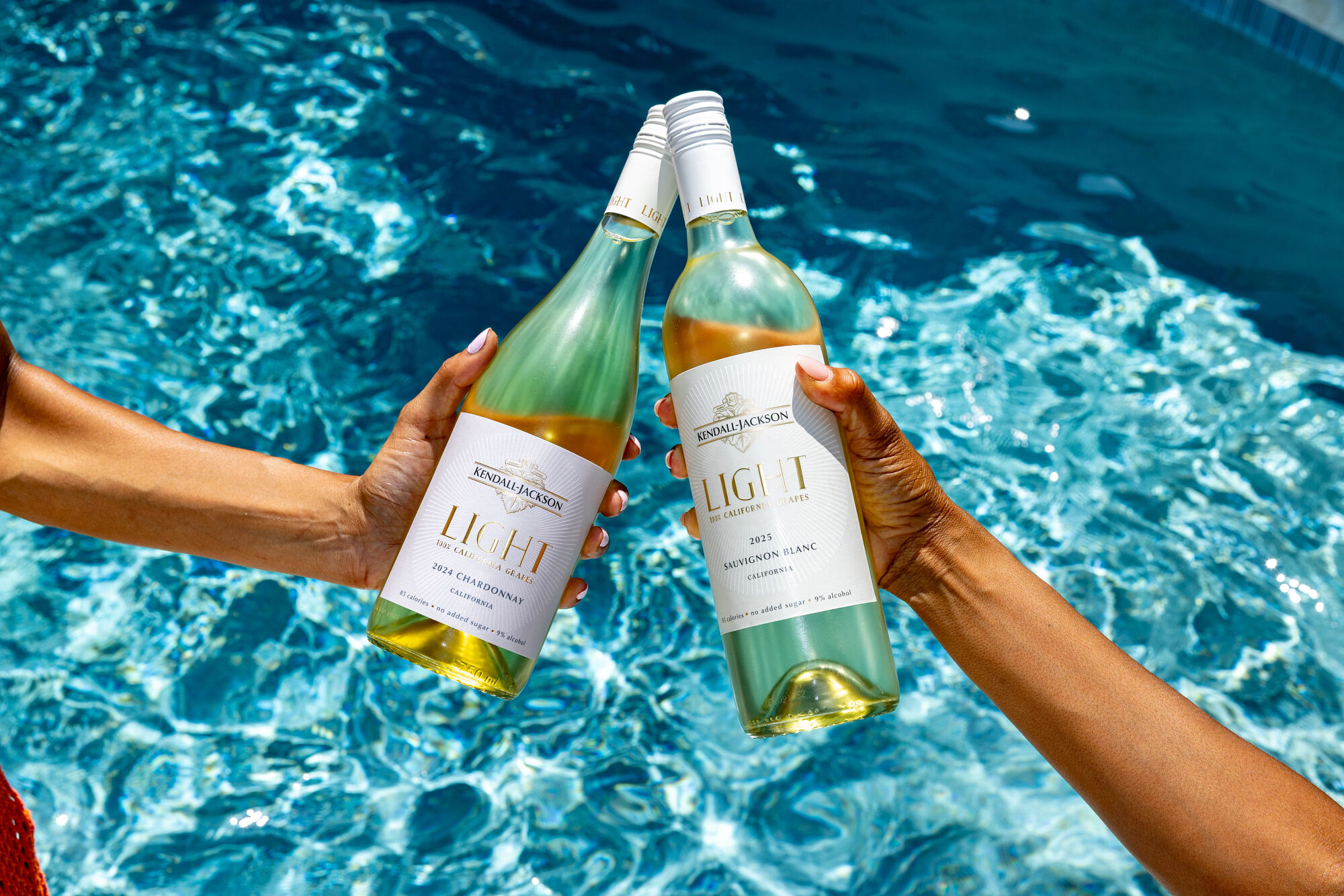
Final Sip: Chill Wine Fast Without Compromising Flavor
We hope this guide helps you feel confident and prepared to chill wine in a hurry whenever your next “wine emergency” arises. Whether you use the salty ice bucket method for a party or the wet paper towel trick on a Tuesday night, these methods are safe, effective, and won’t compromise the flavor of your wine.
Don't be afraid to experiment! Try chilling a red wine down a little more than usual and see how the flavor profile changes. Or see which chilling method fits your lifestyle best. At the end of the day, the right way to drink wine is the way you enjoy it most.
If you’re looking for the perfect bottle to practice these chilling skills on, explore our Best Wines for Summer collection. From crisp, cool summer white wines perfect for a sunny afternoon to bold reds that love a slight chill, there’s something for everyone.