
Share This
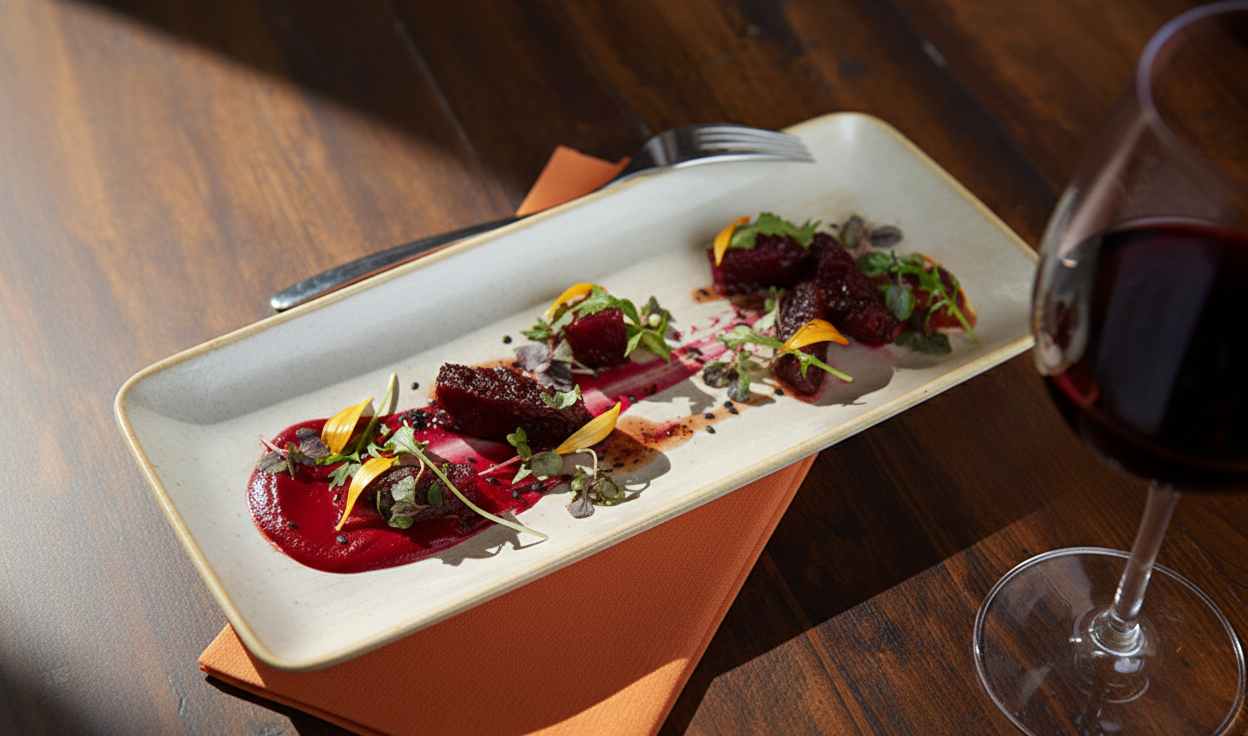
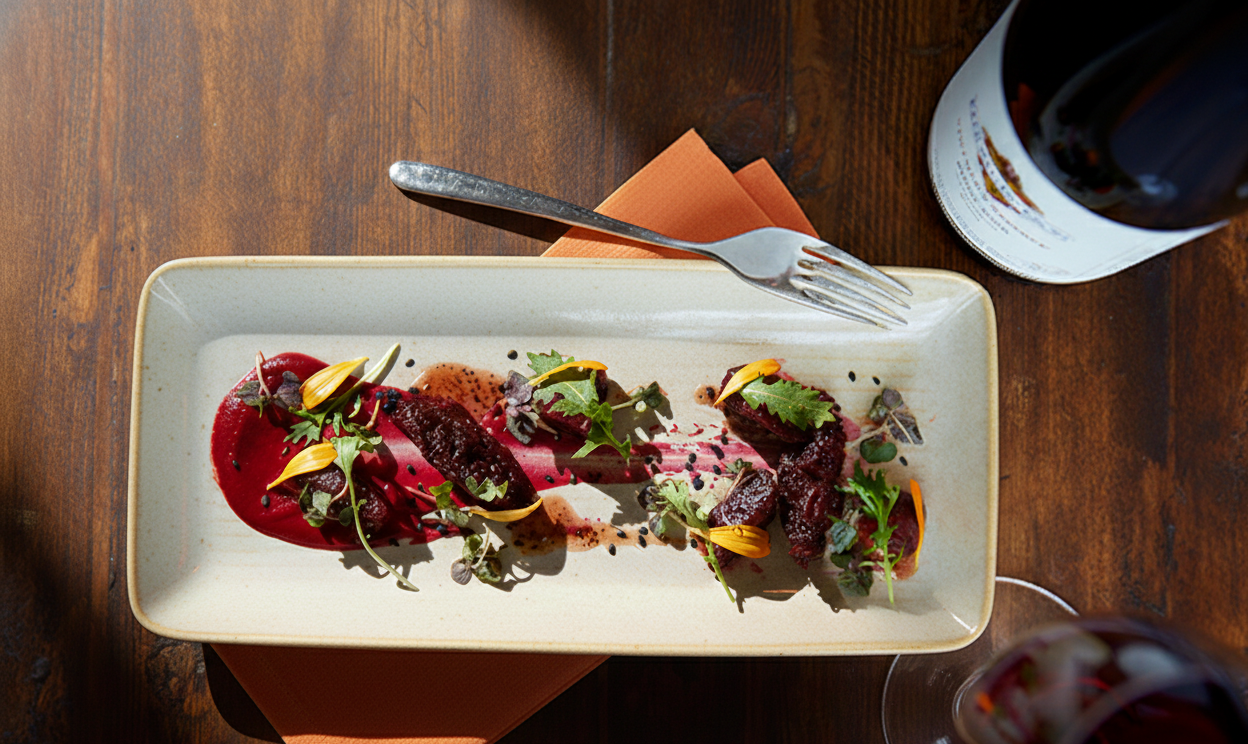
Some dishes stop people mid-conversation, not because they are loud or flashy, but because they are quietly clever. This beet tartare does exactly that, reimagining a classic steakhouse preparation through a fresh, plant-forward lens that feels elegant, modern, and a little unexpected. Earthy roasted beets are transformed into something refined and textural, layered with umami-rich black sesame, bright ume plum, and aromatic shiso for a dish that looks as striking as it tastes.
It is the kind of recipe that makes vegetables feel special occasion worthy, the one guests ask about long after the plates are cleared. Paired with Kendall-Jackson Vintner’s Reserve Pinot Noir, the dish leans into balance and nuance, where subtle sweetness, savory depth, and gentle acidity play beautifully together. Thoughtful, polished, and quietly playful, this is restaurant-inspired cooking that still feels right at home on the table.
What is Beet Tartare?
Beet tartare is a plant-forward take on the classic French preparation, swapping raw beef for finely chopped or ground beets. The result keeps the spirit of tartare intact, layered texture, clean cuts, and bold seasoning, while letting vegetables take center stage.
In this version, roasted beets are treated with the same care as a traditional tartare, dressed lightly, shaped with intention, and finished with savory and acidic accents that bring balance and depth to the dish.
Key Ingredients That Make This Dish Stand Out
This recipe works because each ingredient has a clear role. Nothing is decorative for the sake of it. Every element brings contrast, balance, or lift, creating a dish that feels composed and intentional rather than overworked.
- Roasted red beets: Slow roasting deepens their natural sweetness and gives them the structure needed for a tartare-style cut.
- Ume plum: Salty, tangy, and slightly funky, this Japanese plum paste adds brightness and umami that keeps the dish from leaning too earthy.
- Black sesame: Nutty and subtly bitter, it adds depth and a savory edge that grounds the sweeter elements.
- Shiso: Fresh and aromatic with hints of mint and basil, shiso brings a clean, herbal finish.
- Mizuna and edible flowers: Peppery greens and delicate florals add texture and visual contrast without overpowering the plate.
Tips for Preparing Beets Like a Pro
Beets are simple ingredients, but a few small techniques make a noticeable difference in both flavor and presentation. Taking the time to prep them properly ensures clean cuts, consistent texture, and a finished dish that feels polished rather than rustic.
- Roast, don’t boil: Roasting concentrates the beet’s natural sweetness and keeps the flavor from becoming diluted.
- Use steam to your advantage: Let the beets cool slightly in the covered pan so the skins slip off easily without a mess.
- Cut while still warm: Warm beets are easier to shape and slice cleanly, which matters for a tartare-style presentation.
- Season in stages: Light seasoning during roasting and final seasoning during dressing builds more balanced flavor.
- Save the scraps: Off-cuts are perfect for tartare and purée, adding zero waste and maximum payoff.
Beet Tartare
Recipe Type:
Appetizer
Prep Time:
30 minutes
Cook Time:
45 minutes
Total Time:
75 minutes
Servings:
4
Ingredients
For the beets (roasted, tartare & purée):
- 4 (1½ lbs.) medium red beets
- 3 Tbsp. olive oil
- Kosher salt
- 1 tsp. black sesame seeds, toasted (for garnish)
- 16 leaves mizuna (for garnish)
- Edible flowers (for garnish)
- Micro-shiso or 4 shiso leaves, julienne (for garnish)
For the ume plum vinaigrette:
- 2 Tbsp., plus 1 tsp. Japanese plum paste (Ume)
- 1 tsp. soy sauce
- 1½ Tbsp. rice wine vinegar
- 1½ Tbsp. red verjus
- 1 Tbsp., plus 1 tsp. mirin (Japanese sweet cooking wine)
- ½ tsp. white sesame paste
- 2 Tbsp. pomegranate molasses
- 1/8 cup sesame oil
- 1/8 cup rice oil (or other neutral flavored oil)
Instructions
For the beets (roasted, tartare & purée):
- Preheat oven to 400⁰F.
- If the greens are attached to the beets, remove and discard. Place the beets in a roasting pan; rub with 2 tablespoons olive oil and sprinkle with 1 tablespoon salt. Pour ¾ cup water into the bottom of the pan and cover tightly with aluminum foil. Roast for approximately 45 minutes, or until the beets are tender (a small knife should pass easily through the center of each beet). Once the beets are cooked through, remove from oven and allow to cool slightly in the covered roasting pan. (The steam in the roasting pan will help loosen the skin of the beets making them easier to peel). While still warm, peel the beets by rubbing the skin off with paper towels.
- Using an apple corer, cut beets into cylinder shapes. Cut each cylinder to 1½ inches in length and reserve cylinders.
- Place half of the beet scraps (approximately 5 ounces) into a meat grinder or chop finely (as you would beef for tartare). Dress with ume plum vinaigrette and reserve.
- Place the remaining beet scraps in a blender with ½ cup of water, 1 tablespoon oil and 1 teaspoon salt. Blend until smooth.
- To serve: Spoon the puree on a serving plate and top with beet cylinders and small spoonfuls of the beet tartare. Garnish with black sesame seeds, mizuna, edible flowers and shiso.
For the ume plum vinaigrette:
- In a small container, add all of the ingredients. Using an immersion blender, mix until emulsified.
Make Ahead and Storage Tips
Beet tartare is one of those dishes that actually rewards a little prep work ahead of time. With a few simple strategies, you can save time, reduce stress in the kitchen, and still serve a plate that looks freshly made.
- Roast the beets in advance: Cook and peel up to two days ahead; store in an airtight container in the fridge.
- Prepare the tartare mixture: Chop or grind beet scraps and toss with the ume plum vinaigrette; keep chilled until serving.
- Make the purée early: Blend the remaining beet scraps and store in a covered container; reheat gently if needed.
- Assemble just before serving: Layering the purée, cylinders, and tartare at the last minute preserves color, texture, and freshness.
- Garnish smartly: Keep delicate elements like micro-shiso, mizuna, and edible flowers separate until plating to maintain visual impact.
Pairing Beet Tartare with Wine
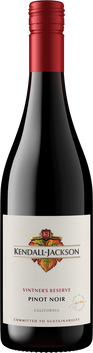
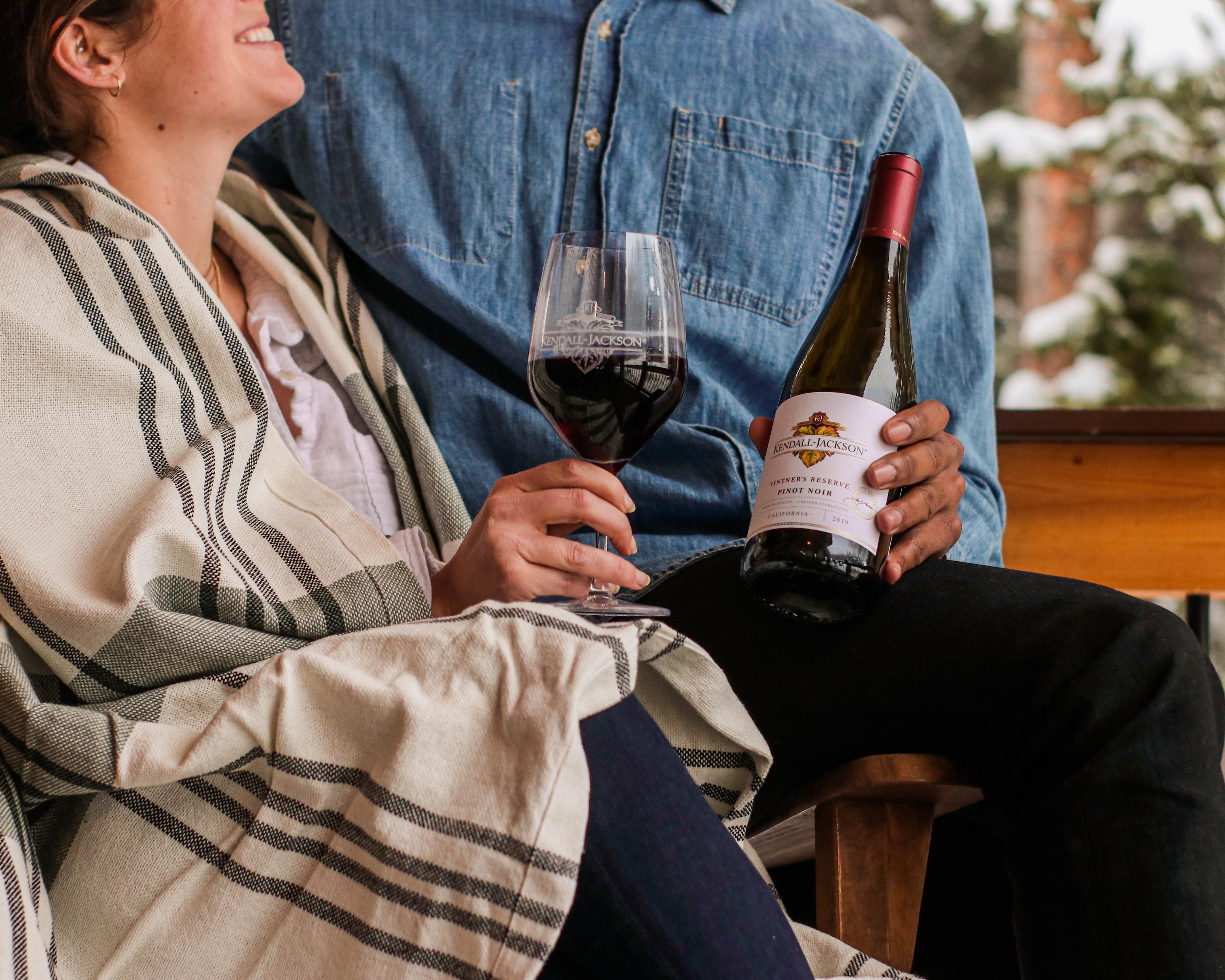
Beet tartare calls for a wine with nuance, not muscle. Kendall-Jackson Vintner’s Reserve Pinot Noir steps in with bright red fruit, gentle earthiness, and soft tannins that echo the natural sweetness of roasted beets without overwhelming the dish. Its balanced acidity lifts the savory notes from the ume plum and black sesame, keeping each bite feeling fresh and precise.
Beyond this pairing, the wine reflects the broader Kendall-Jackson portfolio, a collection of acclaimed wines crafted across California’s most expressive coastal vineyards. From elegant Pinot Noirs to vibrant Chardonnays and structured Cabernet Sauvignons, the portfolio is built around balance, site expression, and food-friendly style. It’s this versatility and attention to detail that makes Kendall-Jackson wines feel just as at home alongside refined, vegetable-forward dishes as they do with classic pairings.