
Share This
Chardonnay is often affectionately referred to in the wine world as the chameleon of grapes—a variety that not only reflects where it’s grown, but also how it’s crafted. This remarkable grape can thrive in a range of environments. It can also take on different personalities depending on how it is handled in the cellar. Because the grape itself has relatively subtle natural aromas, it serves as a beautiful blank canvas for winemakers to express their creativity and craft unique styles.
From crisp and fruity to mineral-driven and rich, Chardonnay’s range of expressions explains why it is universally loved among wine enthusiasts. Among the many choices available today, one distinction stands out: oaked vs. unoaked Chardonnay. While Kendall‑Jackson is known for our iconic Vintner’s Reserve Chardonnay—a benchmark for beautifully balanced, barrel‑influenced wines—we produce many different styles of this beloved variety.
Because we believe there’s a Chardonnay for everyone, we’ve created this guide to help you better understand the difference between oaked and unoaked styles. For a deeper look at the grape itself, explore our comprehensive guide to Chardonnay wine. Now let’s discover your favorite style of Chardonnay.
What Does "Oaked" Chardonnay Mean?
Oaked Chardonnay refers to wine that has been fermented and/or aged in oak barrels. These barrels aren’t just vessels—they actively influence the wine, shaping its texture, aroma, and flavor. During time in barrel, Chardonnay slowly interacts with oxygen, which softens the wine and builds depth.
A key part of this process is malolactic fermentation (“MLF”). This natural secondary fermentation transforms bright, tart malic acid (think green apple) into softer lactic acid (think milk), creating the creamy, round mouthfeel many people associate with classic oaked Chardonnay. When combined with barrel aging, the result is a wine layered with comforting flavors such as vanilla, toasted oak, butter, caramel, and baked apple.
As owners of a barrel stave mill in France, Kendall-Jackson has a long and proud heritage of mastering the barrel-aging process. Our winemaking team carefully matches each wine lot with precise barrels to enhance the wine without overwhelming the vineyard’s character. You can learn more about our specific techniques and how oak barrels affect Chardonnay to understand exactly how we bring these flavors to life.
What Does "Unoaked" Chardonnay Mean?
On the other side of the spectrum, unoaked Chardonnay is wine that has been fermented and aged entirely in stainless steel tanks or other neutral containers. Because stainless steel is non-porous and does not impart any flavors, this method preserves the fruit's purity and freshness.
This style is prized for its crisp acidity and bright fresh citrus, green apple, and subtle mineral notes. The result is a lighter, more refreshing take on Chardonnay—one that feels clean, energetic, and effortless. If you love a vibrant, fruit-forward profile, our Avant Chardonnay is an excellent place to start. You can also explore what makes Avant Chardonnay so special to understand the philosophy behind this modern, fruit-forward approach.
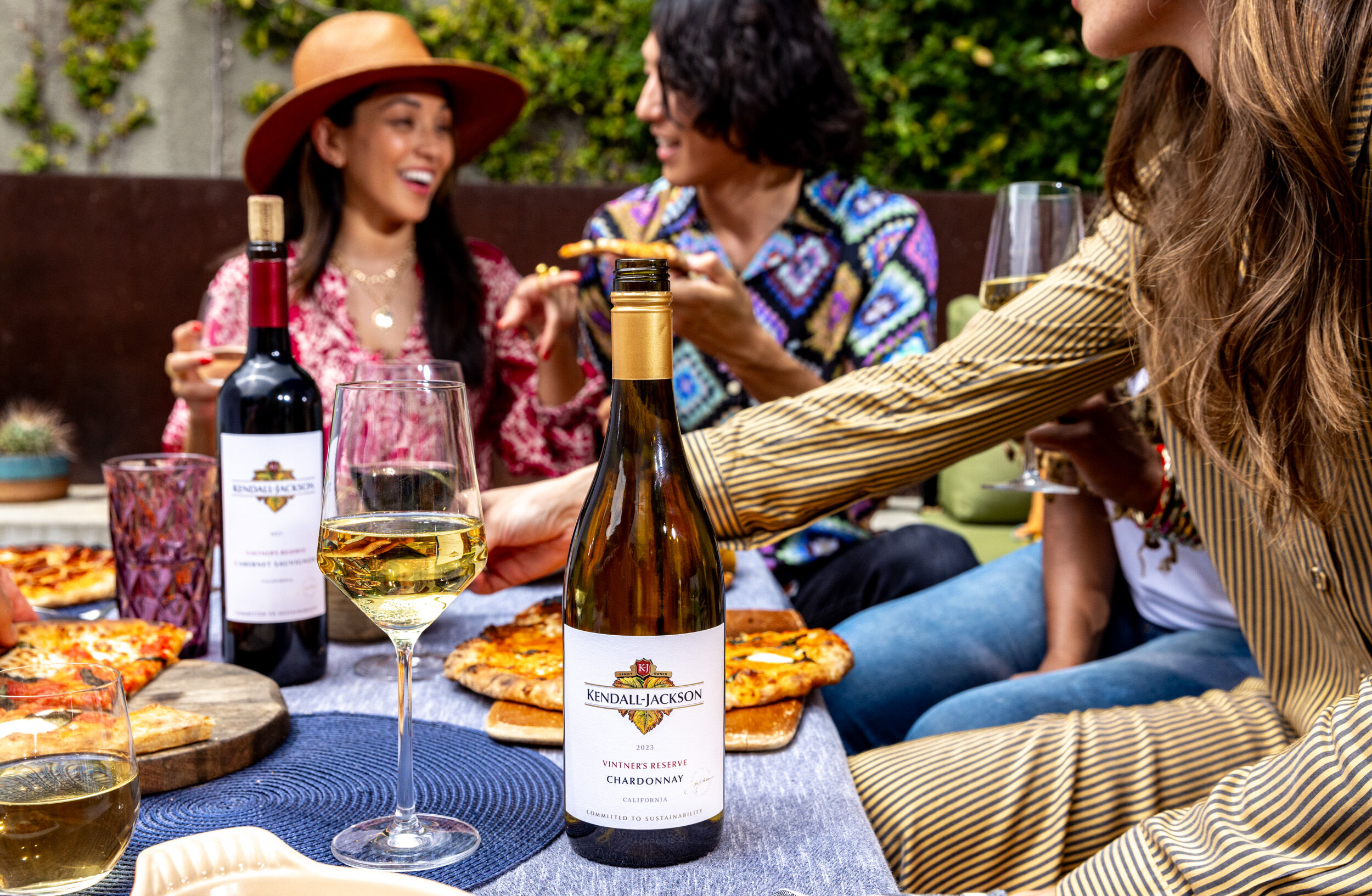
Oaked vs. Unoaked: A Side-by-Side Comparison
When comparing oaked versus unoaked Chardonnay, the tasting experience offers a fun and educational journey for your senses. How the wine feels, looks, smells, and tastes can provide clues to how it was made.
- Texture: Oaked styles tend to be round and velvety, coating the palate with a sense of richness. Unoaked versions, by contrast, feel lean and zippy, with a refreshing snap that keeps each sip lively.
- Appearance: Oaked Chardonnay often displays a deeper golden hue. This richer color comes from the wine's gentle oxidation through the wood, as well as the color of the toasted oak itself. Unoaked bottles tend to have a bright straw or pale yellow color that reflects their time spent in neutral, non-porous stainless steel.
- Aromas & Flavors: If you swirl and taste a glass of oaked wine, you will likely pick up the warm baking spices, sweet caramel, and toasted nuts imparted by the barrel. Unoaked wines, in contrast, showcase primary notes such as fresh floral scents, zesty citrus, and vibrant orchard and tropical fruits.
- Body: Wines aged in oak barrels are typically heavier and fuller-bodied with a long, lingering finish. Wines aged in stainless steel or other neutral vessels usually feel lighter and more delicate, with a quick, clean finish that has you immediately ready for your next sip.
Why Wineries Use Oak
Oak acts much like seasoning in the kitchen—it can enhance a wine when used with intention and restraint. Beyond flavor, oak barrels allow a slow, gentle intake of oxygen that helps soften the wine’s structure and weave its components together. Just as cooking a stew slowly develops wonderful aromas and flavors, aging wine in oak adds nuance and complexity over time. The choice of oak matters, too. French oak often contributes subtle spice and finesse, while American oak can lend bolder notes of vanilla and sweetness.
At Kendall-Jackson, we love the elegant touch of French oak so much that we own a barrel stave mill in France and partner directly with a cooperage there. Our winemaking team carefully selects which forests the barrels originate in, the toast level of each barrel, and how long each wine lot should age in its custom barrel to achieve balance and harmony.
When it comes to barrels, Kendall-Jackson is also serious about sustainability. Every barrel we use with our cooperage originates from a sustainably managed forest and is certified by the Program for Endorsement of Forest Certification (PEFC) if the barrel originates in Europe, or by the Sustainability Forest Initiative if it derives from the United States. We take these extra measures not only because we are passionate about both the environment and highlighting the incredible vineyards we work with, but we also want to ensure you receive the highest quality wine that you love and expect from Kendall-Jackson.
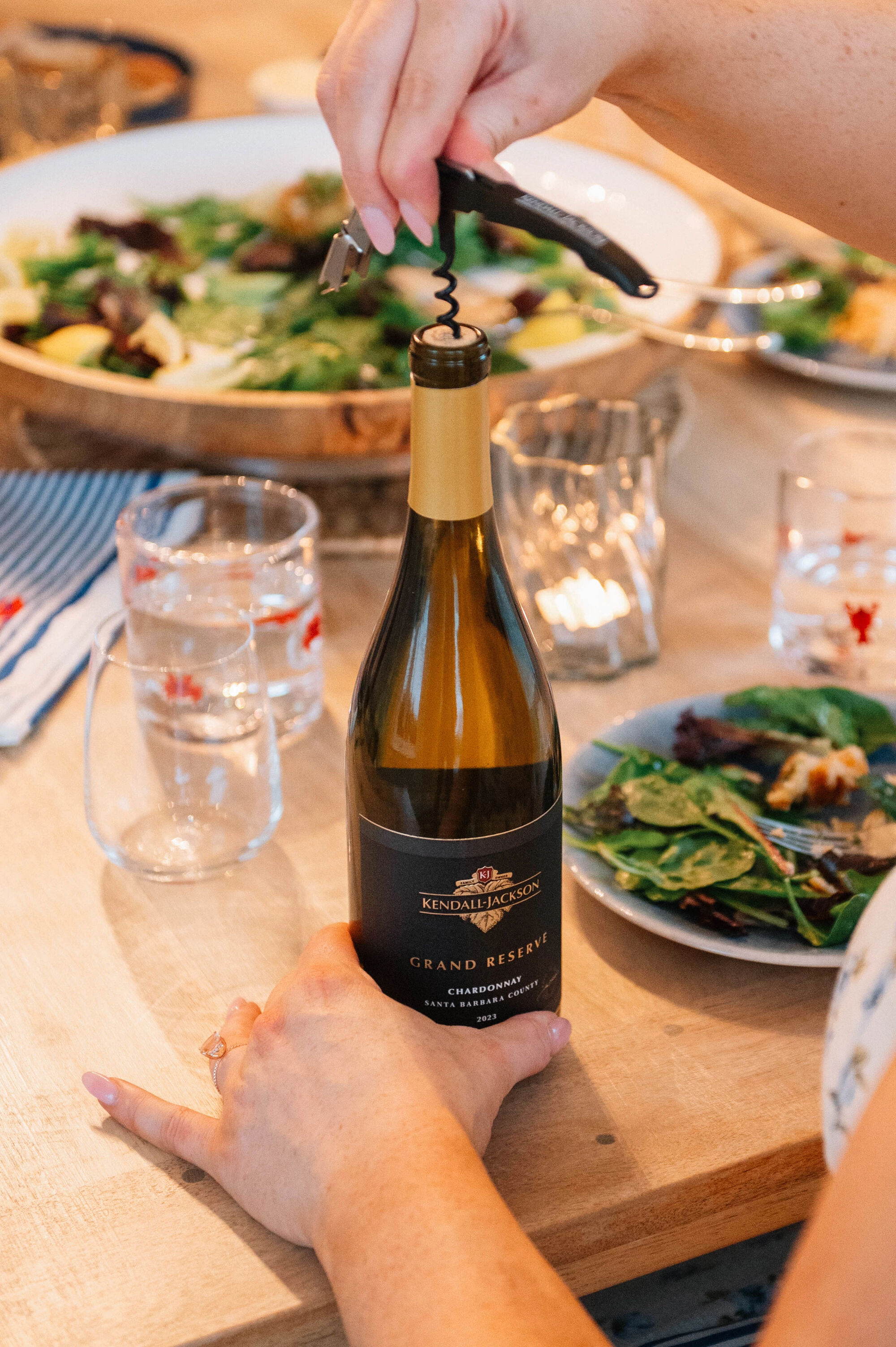
Pairing Oaked vs. Unoaked Chardonnay with Food
Because these two types of Chardonnay offer such distinct flavor profiles, they open up a wonderful world of food-pairing possibilities. Here are a few successful combinations to try at your next gathering:
- Roasted Chicken + Oaked Chardonnay: The wine’s buttery notes and rich texture integrate perfectly with the poultry’s savory richness.
- Fresh Oysters + Unoaked Chardonnay: The wine’s high, zippy acidity and bright mineral notes act like a squeeze of fresh lemon, enhancing the briny freshness of the raw seafood.
- Lobster with Drawn Butter + Oaked Chardonnay: The wine’s generosity and creamy mouthfeel marry seamlessly with the decadent texture and flavors of the shellfish and melted butter.
- Garden Salad with Vinaigrette + Unoaked Chardonnay: The wine’s crisp, refreshing nature stands up effortlessly to the dressing’s tangy acidity without clashing.
For even more inspiration for your next dinner party, explore our helpful guide on what food to pair with Chardonnay.
How to Choose the Perfect Chardonnay for You
Finding your perfect bottle comes down to trusting your own taste buds and looking for helpful clues on the label. Terms like barrel fermented, barrel aged, sur lie, or toasted often point to an oaked style. Words like stainless steel, bright, crisp, or pure usually signal an unoaked profile. If you’re unsure, try both styles side by side and discover whether you’re drawn to the comforting mystery of the barrel or the clear, vibrant expression of the fruit.

Discover the Kendall-Jackson Collection of Acclaimed Chardonnay
For more than four decades, Kendall‑Jackson has been a leader in California Chardonnay, crafting wines with uncompromising quality, while honoring the land for future generations. Our Vintner’s Reserve Chardonnay remains the gold standard for those who love a balanced, barrel‑influenced style—rich yet elegant, with freshness at its core.
Born in coastal vineyards and produced with diverse winemaking approaches, our Chardonnay collection offers a full spectrum of oaked and unoaked expressions. From crisp and fruity to mineral-driven and opulent, there is a great Chardonnay waiting for everyone, and we would love to help you find yours.
FAQs
Which style of Chardonnay is best for a beginner?
Many beginners start with a lightly oaked or balanced style, as it offers both fruit and softness, but there’s no wrong place to begin.
Does unoaked Chardonnay have less alcohol?
Not necessarily. The alcohol content in wine is determined by the amount of sugar in the grapes at the time they are harvested, not the vessel they are aged in.
Should I serve oaked and unoaked Chardonnay at different temperatures?
Yes. Unoaked Chardonnay shines when served slightly cooler, around 45–50°F, to highlight its crisp, refreshing snap. Oaked Chardonnay benefits from a bit more warmth; when served around 50–55°F, it will better express its complex, creamy aromas.
Does "oaked" always mean the wine will taste like butter?
No, this is a common misconception. The buttery flavor is a by-product of malolactic fermentation, specifically from a compound known as diacetyl. A winemaker can intentionally use a strain of bacteria during this stage to result in low diacetyl production, achieving creamy characteristics without the buttery taste. Additionally, a winemaker can choose to age a wine in barrel while preventing it from undergoing malolactic fermentation.
Which style lasts longer in a cellar?
Oaked Chardonnay generally has more structure and aging potential, while unoaked styles are best enjoyed for their fresh, youthful character.