
Share This
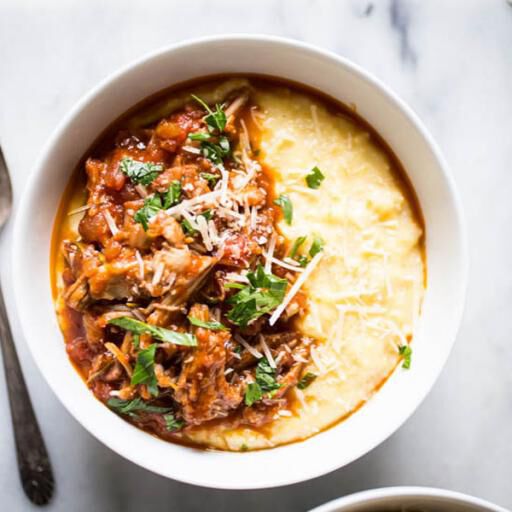
There's something about Italian cooking that turns even the most everyday meal into an occasion. Long braises, simple ingredients, and generous pours of wine are the backbone of the tradition, and this pork ragù and creamy polenta captures all of it. Pork shoulder is browned and then braised low and slow in a bath of aromatic vegetables, tomato, red wine, and fresh herbs until everything melts into a velvety, deeply flavored sauce with meat so tender it practically falls apart at the touch of a fork.
Pork ragù is often served over pasta, but for a truly special occasion, spooning it over a bed of creamy polenta takes things to another level. Silky, parmesan-rich polenta and a rich, meaty ragù create a plate that feels rustic and elegant all at once. Pour a generous glass of Kendall-Jackson Cabernet Sauvignon, gather your favorite people around the table, and enjoy every single bite.
Why You'll Love This Pork Ragù and Creamy Polenta
There's a reason Italian braises have stood the test of time. Slow, patient cooking transforms a few humble ingredients into something rich, deeply flavored, and completely soul-warming. This pork ragù is exactly that. Fork-tender pork, a velvety red-wine tomato sauce, and a bed of silky parmesan polenta come together into a dish that feels rustic and elegant at the same time.
It's also surprisingly hands-off. Most of the cook time is spent slowly simmering away on the stove while you sip wine, catch up with guests, or just enjoy the incredible smells filling the kitchen. In other words, big flavor with a very reasonable effort-to-reward ratio.
What is Pork Ragù?
Ragù is one of those Italian words that gets tossed around a lot, but in the simplest sense, it refers to a slow-cooked, meat-based sauce. Traditionally simmered for hours until the meat becomes meltingly tender and the sauce turns rich and glossy, ragù is the kind of dish that's built for lingering meals and generous pours of wine. Every region of Italy has its own take, from the famous Bolognese of Emilia-Romagna to the Neapolitan version made with large cuts of meat braised in tomato sauce for hours on end.
Pork ragù falls into that same tradition, but with pork as the star instead of beef. While a classic Bolognese leans on ground beef (and sometimes veal or pancetta) for its rich, meaty flavor, pork ragù uses a large cut of pork shoulder that's browned and braised whole, then shredded back into the sauce. The result is deeper, silkier, and a little sweeter, with tender ribbons of pork throughout every bite. It's the kind of sauce that clings beautifully to pasta, but truly shines when spooned over something equally luxurious like creamy polenta.
Key Ingredients
The magic of pork ragù is that it's built on simple, humble ingredients that transform into something extraordinary with time. Every element earns its spot, and using quality where it counts really does pay off. Here's what you'll need and why each one matters.
For the Pork Ragù:
- Pork shoulder (Boston butt): The heart of the dish. Its fat and connective tissue break down over hours of slow braising, giving you fall-apart tender meat and a rich, silky sauce. Skip the pork tenderloin — it's too lean and dries out fast.
- Yellow onion, garlic, carrot, and celery: The classic Italian soffritto. Slowly caramelizing these aromatics builds the deep, savory foundation the whole sauce is built on.
- Tomato paste: Concentrated tomato flavor that gets cooked down until it turns brick red and slightly sweet. This step is small but mighty.
- Red wine: Deglazes the pan and adds depth, brightness, and structure to the sauce. Use one you'd actually want to drink.
- Whole peeled tomatoes: Crushed by hand for that beautifully rustic, jammy texture. Whole peeled tomatoes tend to have better flavor than pre-crushed varieties.
- Fresh thyme and rosemary: Tied together with kitchen twine so they're easy to fish out later. They perfume the sauce as it simmers.
- Dried oregano and crushed red pepper: Round out the herbs with a touch of warmth and a very subtle kick.
- Olive oil: For sautéing the vegetables once the pork is browned.
- Basil or parsley: A fresh green garnish that brightens everything up right before serving.
For the Creamy Polenta:
- Polenta (coarse ground cornmeal): The real deal, not quick-cooking. Coarse polenta takes a little longer but delivers that beautifully creamy texture with just enough bite.
- High-quality extra virgin olive oil: Since the recipe is so simple, this is the moment to reach for that good bottle. It adds richness and a subtle fruity finish.
- Freshly grated parmesan cheese: Splurge on a great block of parm and grate it fresh. It makes an enormous difference in flavor.
- Kosher salt and freshly ground black pepper: The essentials for seasoning both the polenta water and finishing the dish.
The Best Wine to Use for Pork Ragù
The wine that goes into the pot matters just as much as the wine in your glass. Since red wine is a foundational ingredient in this ragù, its flavor concentrates as the sauce reduces, meaning any harshness or off notes will only get more pronounced with time. The golden rule? Cook with a wine you'd actually want to drink.
For a pork ragù like this one, look for a medium to full-bodied red with bright acidity and good structure. Cabernet Sauvignon brings depth, dark fruit, and enough backbone to stand up to the richness of the pork. Merlot leans a little softer and rounder, adding plush notes of plum and mocha that complement the tomatoes beautifully.
One quick note: avoid overly oaky wines or anything too high in alcohol, which can turn bitter as the sauce reduces. And skip the "cooking wine" from the grocery store shelf entirely. If it's not good enough to sip, it's not good enough for the pot.
Pork Ragù and Creamy Polenta Recipe
Recipe Type:
Entree
Prep Time:
30 minutes
Cook Time:
225 minutes
Total Time:
255 minutes
Servings:
6
Ingredients
For the pork ragù:
- 3 pounds skinless, boneless pork shoulder, cut into two pieces
- Salt and pepper
- 1 tablespoon vegetable oil
- 1 tablespoon extra virgin olive oil
- 1 medium yellow onion, chopped
- 7 cloves garlic, minced
- 1 small carrot, chopped
- 1 celery stalk, chopped
- 3 tablespoons tomato paste
- 1 cup red wine
- 1 28 oz. can whole peeled tomatoes (do not strain)
- 1 ½ cups water
- 4 sprigs fresh thyme
- 2 sprigs fresh rosemary
- ½ teaspoon dried oregano
- ½ teaspoon crushed red pepper
- Basil or parsley, for serving
For the creamy polenta:
- ½ tablespoon kosher salt
- 1 ½ cups polenta (coarse ground cornmeal, not quick-cooking)
- ¼ cup high quality extra virgin olive oil
- ½ cup freshly grated parmesan cheese
- Freshly ground black pepper
Instructions
To prepare the pork ragù:
- Pat pork shoulder dry with a paper towel and season with salt and pepper.
- Heat the oil in a dutch oven or heavy-bottomed pot over medium-high heat. Add the pork shoulder and brown evenly on all sides, about 3 minutes per side. Once browned transfer to a platter or cutting board and set aside.
- Pour off the excess pork fat, taking care to wipe any burned, black bits from the bottom of the pot. If you prefer, and it’s without too many burned pieces, you can choose to reserve some of the pork fat for cooking the vegetables. If not, add the extra virgin olive oil to the bottom of the pan.
- Add the onion, garlic, carrot and celery to the pan and cook until vegetables are soft and have begun to caramelize, 10-15 minutes.
- Add the tomato paste and stir well. Cook for another 3-4 minutes or until thick. Deglaze the pan with the red wine, scraping up any caramelized bits from the bottom of the pan and cook until the red wine has reduced by half.
- Add the tomatoes, crushing with your hands as you go, then add all the remaining tomato liquid and the water.
- Tie the thyme and rosemary with kitchen twine and add to the pot along with the oregano and crushed red pepper. Add the pork back to the pot.
- Bring the mixture to a boil, then reduce heat and simmer, partially covered, for 2.5 - 3 hours, or until the sauce has thickened and the pork is tender. If the sauce is not reducing, you can remove the cover from the pan completely and cook uncovered for the last hour.
- Remove the pork from the sauce and place on a cutting board to cool for 10-15 minutes. Use two forks or your fingers to shred the meat, then add the pork back to the pot and stir well. Season with salt & pepper to taste.
To prepare the polenta:
- Add the salt and 6 cups of water to a large pot and bring to a boil.
- Whisking constantly to avoid lumps, slowly add the polenta. Cook, stirring often, until the polenta is thick and tender, about 25 minutes. If the polenta thickens too quickly, you may need to add more water.
- Add the olive oil and parmesan and mix well. Season with salt & pepper to taste.
What Wine Pairs Best with Pork Ragù and Creamy Polenta
A dish this rich and layered deserves a wine with just as much character, and Kendall-Jackson has a couple of standouts that fit the bill beautifully. Kendall-Jackson Grand Reserve Cabernet Sauvignon is a lovely first choice. Its bold notes of black cherry, cassis, and a hint of vanilla oak stand up gracefully to the meaty ragù while its structured tannins cut through the richness of the sauce and polenta. It's the kind of pour that makes a special occasion feel truly celebratory.
For a softer, more approachable pairing, Kendall-Jackson Vintner's Reserve Merlot is a wonderful alternative. Its plush texture and notes of ripe plum, cherry, and mocha play beautifully off the sweetness of the slow-braised pork and the depth of the tomato sauce. It's a slightly rounder, more velvety experience that lets the flavors of the dish take center stage while still adding real elegance to the plate.