
Share This
If you’ve ever wondered what the difference is between red and white wine, you’re in the right place. While the obvious answer is that one is red and the other is white, there are many more differences besides color, as well as similarities that might surprise you. This guide is your essential primer to red wine vs. white wine: how they taste, how to serve and pair them, and where they overlap.
Quick answer: The key difference between red wine and white wine comes down to skin contact during the winemaking process. Red wines are fermented with the grape skins, which add color, flavor, texture, and tannins. White wines are not fermented with their grape skins (unless the winemaker is aiming for a skin-contact white wine, known as “orange wine”). Instead, with white wines, the grape skins are pressed off the juice before fermentation begins, resulting in a lighter color.
As you explore red and white wines on your own, remember this: The differences you’ll see here are helpful patterns—not strict rules. There is an incredible range within both red and white wine. Some whites can feel rich and full, while some reds can be light and refreshing. The fun part is trying different varieties and styles of both and discovering what you love.
Quick Comparison: Red vs. White Wine at a Glance
Before we get into the finer details, here’s a quick look at the primary differences between red wine and white wine:
| Feature | Red Wine | White Wine |
|---|---|---|
| Typical Grapes | Cabernet Sauvignon, Pinot Noir, Merlot, Malbec, Syrah, Zinfandel | Chardonnay, Sauvignon Blanc, Pinot Gris, Riesling |
| Color | Pale ruby to deep purple | Pale lemon to deep gold |
| Skin Contact | High (fermented with skins and seeds) | Low to none (pressed before fermentation) |
| Primary Texture | Tannic, grippy, velvety, often fuller-bodied | Crisp, bright, fresh, often lighter-bodied |
| Common Aromas and Flavors | Berries, dark cherries, plum, baking spices, earth, leather | Citrus, orchard, stone, and tropical fruits, floral notes |
| Serving Temperature | Slightly cool (60°F to 65°F) | Chilled (45°F to 55°F) |
What is Red Wine?
Red wine is a beverage made by fermenting the juice of dark-skinned grapes alongside their skins and seeds. This process gives the wine its signature crimson color, which can range from a bright, translucent cherry to a deep, opaque purple.
When you pour a glass of red wine, you’ll typically notice aromas of dark fruits, like blackberries, plums, and cherries, along with savory or earthy notes. Depending on how it is aged, you might also pick up notes of leather, tobacco, vanilla, chocolate, or baking spices. Red wines are known for their structure and warmth—like a cozy evening captured in a glass. They often feel richer and heavier in your mouth compared to white wines.
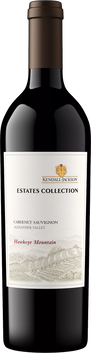
At Kendall-Jackson, we craft a wide variety of red wines designed to bring joy to your table and make every moment feel a little more special. From the bright, fruit-forward flavors of our Vintner's Reserve Pinot Noir to the bold, structured depth of our Jackson Estate Cabernet Sauvignon, there’s a variety and style for every palate. Explore our full portfolio of red wines—including Merlot, Zinfandel, and Syrah—here.
Jackson Estate
2022
Alexander Valley
points
750ml
$70
bottle
What is White Wine?
White wine is made by pressing the grapes (which can be green, yellow, or—even red) to extract the juice and immediately removing the skins before the juice is fermented. Because the skins do not steep in the juice, the resulting wine is lighter in color. White wines can range from a clear, watery yellow to a deep, golden amber.
If red wines are coveted for their depth and structure, white wines are celebrated for their freshness and versatility. When you smell or taste a white wine, you may detect notes of lemon, grapefruit, green apple, peach, and tropical fruits like pineapple. With their crisp acidity, these wines refresh the palate and pair with a wide range of cuisines.
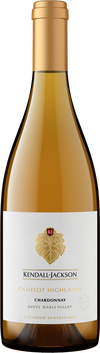
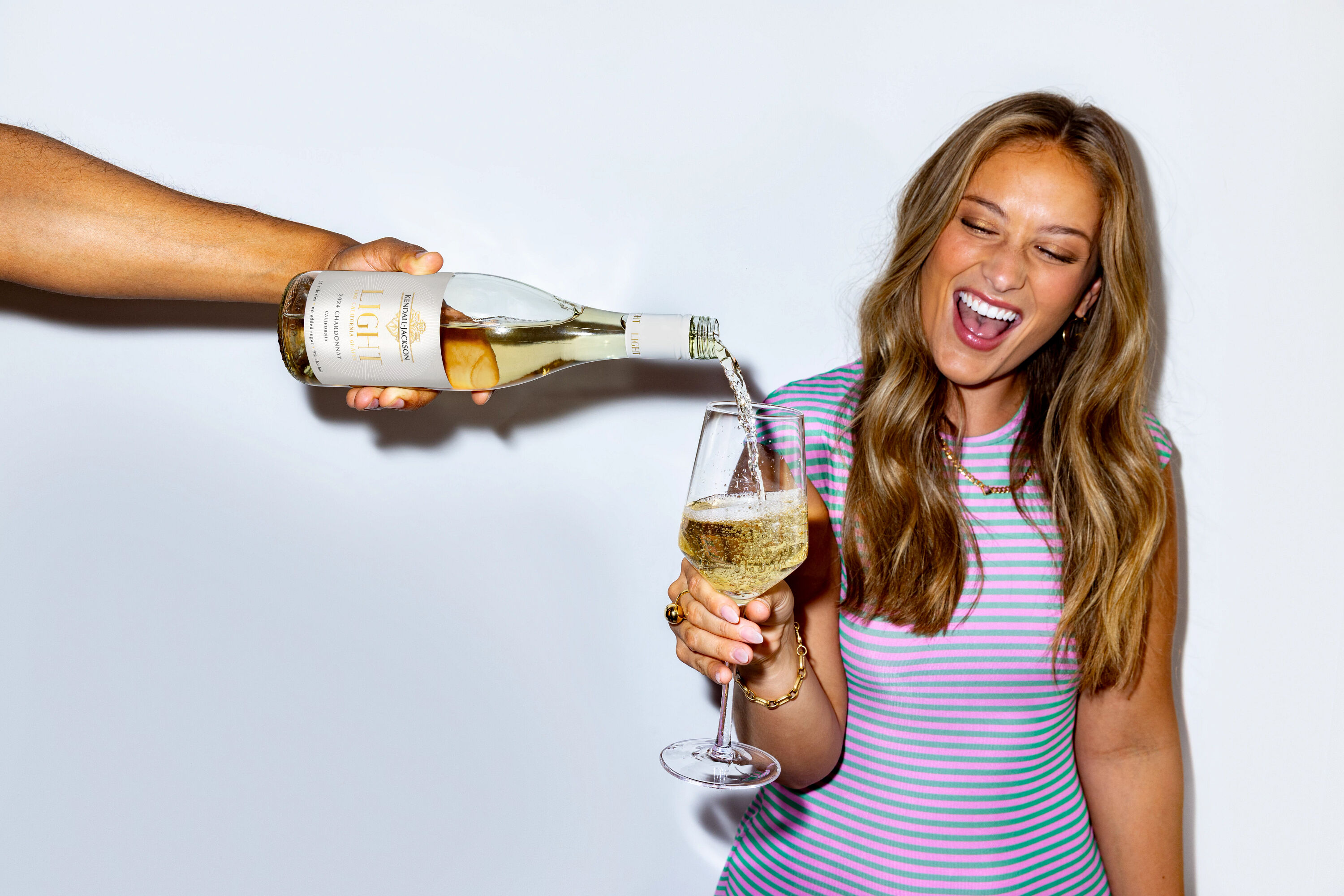
Kendall-Jackson produces an exciting range of white wines, including Vintner’s Reserve Chardonnay—America’s number one selling Chardonnay for 30 years and counting. Whether you crave the rich, creamy texture of our Vintner’s Reserve Chardonnay or the zesty, bright lift of our Light Sauvignon Blanc, we’ve got you covered. Discover our full portfolio of white wines—including Albariño, Chenin Blanc, and Riesling—here.
Jackson Estate
2023
Santa Maria Valley
points
750ml
$50
bottle
Jackson Estate
2024
Russian River Valley

points
750ml
$50
bottle
The Biggest Difference Starts in the Winery: How Red and White Wine Are Made
How a wine is made determines whether grapes become red or white wine. It all comes down to the grape skins.
When winemakers make red wine, they crush the dark grapes and leave the juice to steep or “macerate” with the skins, seeds, and sometimes the stems. Think of it like brewing a cup of tea. The longer the tea bag sits in the hot water, the darker and more flavorful the tea becomes. In the wine production process, this extended skin contact extracts color, flavor, and tannins from the grapes, creating a brilliant red-hued juice.
To create white wine, winemakers press the grapes right away. Pressing involves separating the clear juice from the skins before fermentation begins. Because there is minimal skin contact, the wine stays pale in color and rarely absorbs any tannins.
This is how wine is made in the vast majority of cases, though there are always exceptions. As noted earlier, orange wine, for example, is made by leaving white grape skins in contact with the juice, while Blanc de Noirs Champagne is a white wine made entirely from red grapes.
Texture: Tannins, Acidity, Body, and Sweetness
To understand the difference between red and white wine, we need to talk about texture. Texture, or “mouthfeel,” is how a wine feels in your mouth when it hits your tongue, cheeks, and gums. Texture is just as important as taste—it adds intrigue to a wine just like pickles liven up a sandwich with their satisfying crunch. A wine’s texture can be influenced by its tannins, acidity, body, and sweetness.
Tannins
Tannins are naturally occurring compounds found in grape skins, seeds, and stems. Because red wines spend time soaking with these skins, they contain high levels of tannins. Tannins in wine create a drying, grippy sensation on your tongue and the roof of your mouth. Think of the feeling of drinking strong black tea or eating a piece of dark chocolate or a walnut.
Acidity in Wine
Acidity is what gives wine its tart, refreshing edge. It is the mouthwatering sensation that makes you want to take another sip. While both red and white wines have acidity, white wines generally rely on acidity as their structural backbone. This is why many whites feel so bright and zesty. One way to think of acidity is like a squeeze of lemon that provides freshness and lift to a dish.
Wine Body
A wine’s body refers to the weight of the liquid in your mouth. A light-bodied wine feels similar to skim milk, a medium-bodied wine feels like whole milk, and a full-bodied wine feels heaviest, like cream. Body is primarily determined by the alcohol level and the winemaking style. Red and white wines can fall anywhere on this spectrum: For example, you might opt for a light and fruity Pinot Noir in summer and a full-bodied, oaked Chardonnay in winter.
Dry vs Sweet Wine
A major misconception is that color dictates sweetness. Many people assume white wines are always sweet and red wines are always dry. In reality, both red and white wines can be made in bone-dry or sweet styles. Most white and red wines, however, are dry, which simply means the yeast consumed all the sugar during fermentation.
Serving Differences: Temperature, Glassware, and When Each One Shines
Serving wine well doesn’t have to be complicated—it’s about enhancing what’s already there.
- Let’s start with wine temperature. Temperature matters because it changes how wine tastes. Warmer temperatures can soften tannins and amplify aromas, while cooler temperatures highlight acidity and freshness.
- Serving red wine at "room temperature" is a common myth, largely because modern houses are kept much warmer than castles were hundreds of years ago! The ideal red wine serving temperature is slightly cool, usually between 60°F and 65°F. If a red wine gets too warm, it can taste overly alcoholic and flabby. Note that light, fruit-forward red wines—like Gamay, Beaujolais, or Pinot Noir—can often benefit from a light chill of 30 minutes or so in the refrigerator.
- The best temp for white wine is nicely chilled, generally between 45°F and 55°F. Chilling white wine highlights its crisp acidity and refreshing qualities. However, if you serve it too cold, you will mask all the beautiful fruit aromas. Lighter-bodied whites should usually be served at colder temperatures than fuller-bodied ones, while sparkling wine should be served well-chilled, between 43°F and 50°F .
- When it comes to wine serving, glass shape is a nice-to-have bonus, but not a strict requirement. Red wine glasses typically have a wider, rounder bowl. This larger surface area exposes the wine to more oxygen, which helps soften the tannins and release the complex aromas. White wine glasses have a narrower bowl to help preserve the chill and concentrate the delicate floral and citrus scents.
When Each Wine Shines:
- Red Wine: Some of the best occasions for red wine are cozy winter evenings, holiday dinners, romantic date nights, and backyard barbecues featuring hearty grilled meats.
- White Wine: White wines are tailor-made for warm summer afternoons, sunny picnics, light lunches, and lively celebrations with friends on the patio.
Food Pairings: How to Choose Between Red and White Wine at the Table
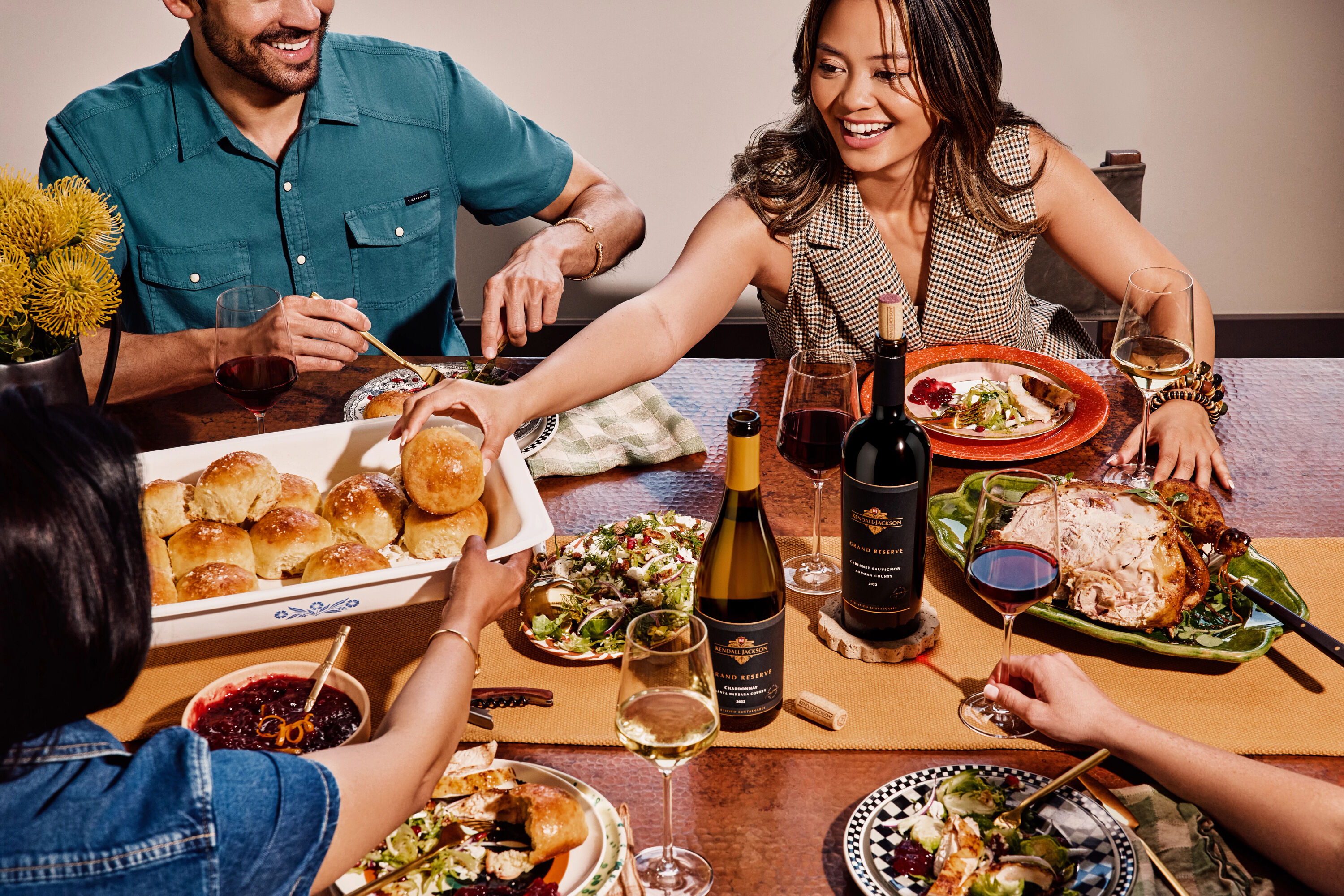
Pairing wine with food doesn’t need to feel intimidating. A great wine pairing follows a simple framework: Match the intensity of the food (like a creamy pasta) with the intensity of the wine (like a creamy Chardonnay). You can also think of pairing more acidic wines like using a squeeze of lemon to cut through rich dishes—cue the iconic Sauvignon Blanc-goat cheese pairing. Go for a tannic wine, like a bold Cabernet Sauvignon, if you’re serving a dish with salt and fat, like a nicely marbled steak. The fat and protein in the steak bind to the wine’s tannins, making the meat feel less heavy and the wine smoother. You’ll want to avoid pairing highly tannic wines with spicy or overly sweet foods, which can make the tannins taste bitter.
Pairing Red Wine with Food
Red wines pair seamlessly with rich, protein-heavy dishes because their tannins help cut through fat and deepen flavor.
Try red wine with:
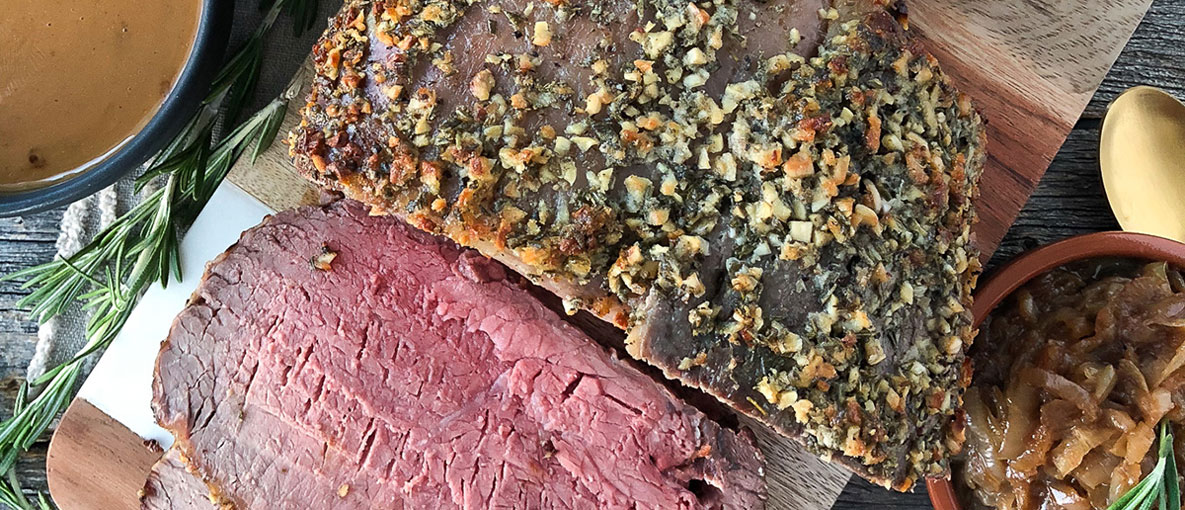
- Steak or grilled meats (Cabernet Sauvignon is a classic “best wine with steak” match)
- Roasted poultry
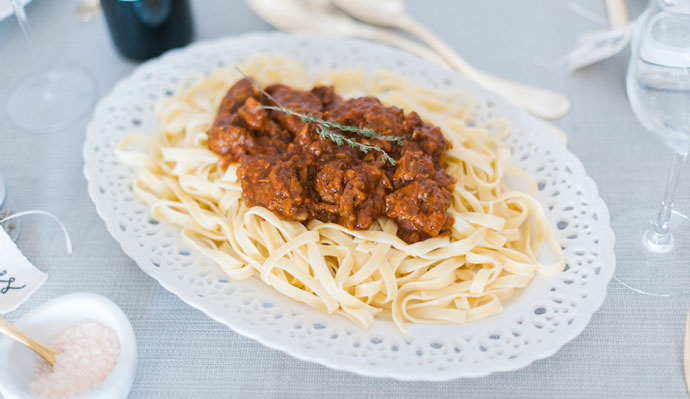
- Tomato-based pastas
- Aged cheeses
- Grilled salmon
- Barbecued pork
- Mushroom risotto or earthy vegetable dishes
Pairing White Wine with Food
White wines, driven by their bright acidity and lack of tannins, are incredibly versatile at the dining table. They act as a palate cleanser, cutting through creamy sauces and enhancing the delicate flavors of lighter proteins.
Try white wine with:
- Seafood (If you’re wondering what wine pairs with seafood, white wine is your go-to!)
- Chicken or turkey
- Salads and light appetizers
- Creamy pasta dishes (especially oaked Chardonnay)
- Spicy foods
- Soft cheeses
Key Similarities: What Red and White Wine Have in Common
While it is easy to focus on their differences, red and white wine share more in common than you might think. Both begin their journey in the vineyard as grapes—after all, wine is farming! Both rely on fermentation to transform grape juice into wine. And above all, both are capable of expressing the specific place where they grew and the unique craft and philosophy of the winemaker who guided them into fruition.
It’s also important to recognize that "style" is a broad spectrum for both categories. You can find light, refreshing red wines (like a cool-climate Pinot Noir) just as easily as you can find rich, full-bodied white wines (like an oak-aged Chardonnay). Red and white wine can both be fermented with either native or commercial yeast. Both can be aged in stainless steel or oak barrels, and both can be blended to achieve the perfect balance of flavors.
Here’s the reassuring part: there’s no “right” answer. The best wine is simply the one that you like the most and brings you and your friends together to slow down and savor the moment.
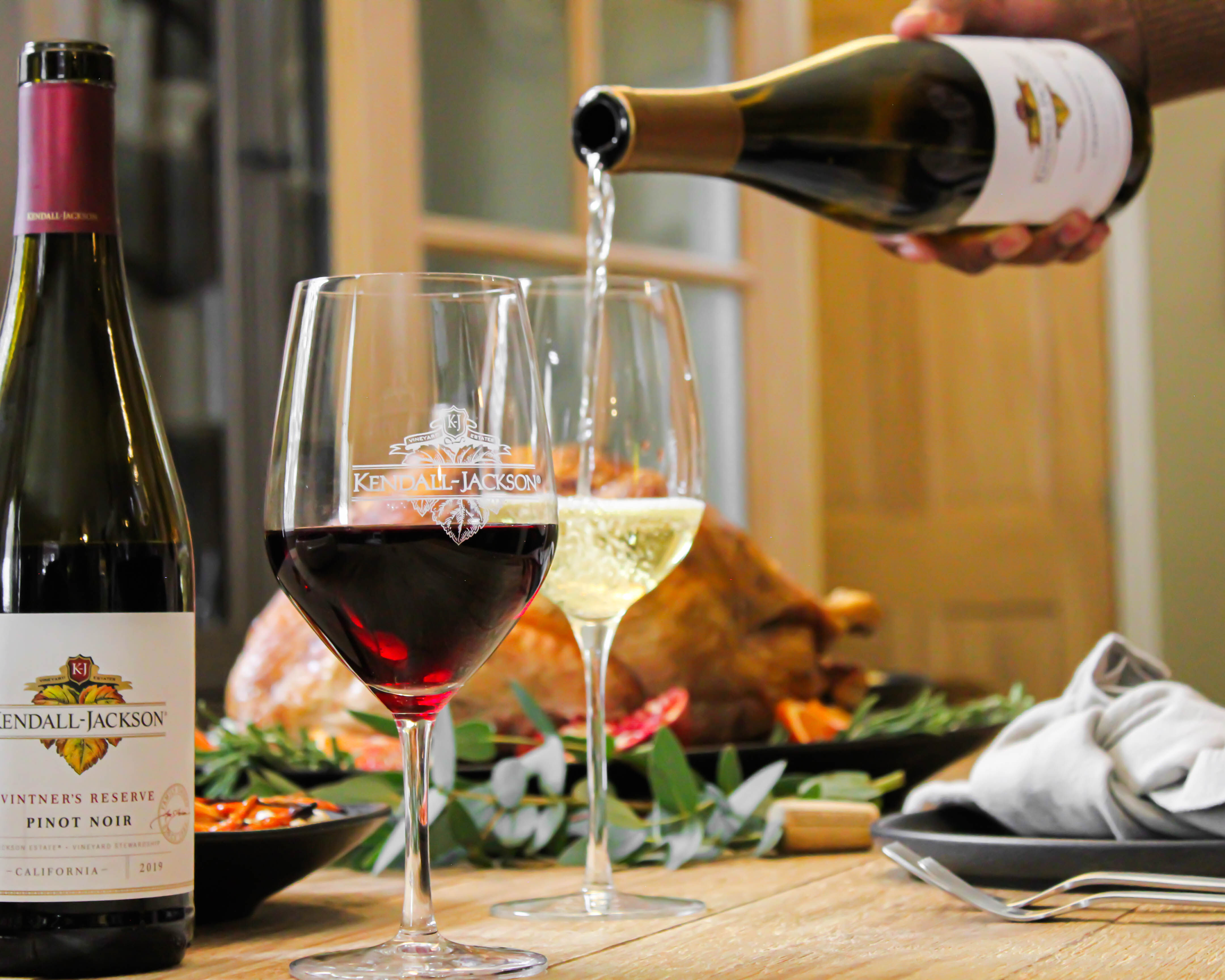
How to Choose Red or White Wine for Your Preferences
If you’re still unsure where to start, answer these quick questions:
- Do you prefer flavors that are bright and fruity (citrus, apple, peach) or deep and savory (dark berry, plum, spice)? If fruity, choose white. If savory, choose red.
- Do you prefer a texture that is crisp and refreshing, or grippy and velvety? If crisp, choose white. If grippy, choose red.
- What are you eating? If you are having light seafood, salad, or something on the spicy side, lean toward white. If you are having a rich steak, earthy roasted vegetables, or hearty stew, go for red.
The best way to learn is through experimentation. Try pouring a glass of red and a glass of white with the exact same meal. Take a bite of food, sip the white, and note what changes. Then take another bite, sip the red, and see how the flavors interact. Keep a quick notes habit on your phone to track which pairings you like.
Here are some fun experiments to try:
- If you like lemonade and are in the mood for something mouthwatering, try Sauvignon Blanc.
- If baked apples, vanilla, and cream are more your jam, opt for a Chardonnay.
- If you prefer cranberries and a light, silky texture, try Pinot Noir.
- If you crave dark cherries and chocolate and want something rich, go for Cabernet Sauvignon.
Whatever you do, don’t lock yourself into one color or one variety. Give yourself permission to explore different varieties, styles, bodies, and winemaking techniques. Many wine enthusiasts are surprised to learn how their preferences change the more wines they discover. For example, those who like a crisp style are often surprised by how perfect an unoaked Chardonnay suits them.
Get the Best of Both Worlds with Kendall-Jackson Wine
When it comes to red wine vs. white wine, the beauty is, you don’t have to choose: There’s a place for both at the table.
Kendall-Jackson has spent decades crafting wines that are approachable, expressive, and consistently high in quality, so you can feel confident in every pour and focus on what matters most—enjoying the moment with those closest to you.
Ready to explore? Pick up a few bottles and discover your new red and white wine favorites today.
For more than four decades, Kendall‑Jackson has been a leader in California Chardonnay, crafting wines with uncompromising quality, while honoring the land for future generations. Our Vintner’s Reserve Chardonnay remains the gold standard for those who love a balanced, barrel‑influenced style—rich yet elegant, with freshness at its core.
Born in coastal vineyards and produced with diverse winemaking approaches, our Chardonnay collection offers a full spectrum of oaked and unoaked expressions. From crisp and fruity to mineral-driven and opulent, there is a great Chardonnay waiting for everyone, and we would love to help you find yours.
FAQs
What is the main difference between red and white wine?
The main difference is how they’re made. Red wine ferments with grape skins, which adds color and tannins, while white wine typically ferments without skins, creating a lighter style.
Is red wine always drier than white wine?
No—both red and white wines can be dry or sweet. Sweetness depends on how much sugar remains after fermentation, not the color of the wine.
Does red wine have more alcohol than white wine?
Often yes, but not always. Red grapes are typically grown in warmer climates or left on the vine longer to ripen fully, which creates more sugar for the yeast to convert into alcohol. However, rich white wines like Chardonnay can easily have higher alcohol levels than light red wines like Pinot Noir.
Should red wine be served at room temperature?
Red wine is best served slightly cooler than modern room temperatures, ideally between 60°F and 65°F. Serving red wine too warm can cause it to taste flat and overly alcoholic, masking its delicate fruit aromas.
Which pairs better with food, red or white?
Both pair beautifully with food, depending on the dish. Choose red wines for rich, hearty proteins like steak and lamb, because the meat softens the wine's tannins. Choose white wines for lighter dishes like seafood, salads, and poultry, where the crisp acidity acts as a refreshing palate cleanser.