
Share This
Syrah (pronounced sih-rah) is a red wine variety that has captured the hearts of wine drinkers for centuries. Whether you’re a seasoned collector or you simply enjoy a glass of red with your dinner, Syrah deserves to be on your radar. With notes of dark fruits, smoked meat, herbs, black olives, and leather, Syrah offers a delicious tasting experience that is distinctly different from other full-bodied red wines.
This in-depth guide will walk you through everything you need to know about Syrah wine – from its intriguing origins to tasting notes, food pairings, and tips on how to enjoy it at its best.
Grab your glass, and let's explore the world of Syrah together.
Syrah Quick Facts
Here are some quick facts about Syrah that every wine lover should know:
- Regions: France, Australia, California, South Africa
- Origin: Rhône Valley, France
- Taste: Typically bold, dark fruit flavors with savory undertones and hints of smoke, herbs, roasted meats
- Sweetness: Dry
- Color: Deep ruby or purple
- ABV: 12.5-15% on average, depending on the region
- Aging: 5–10 years, though high-quality Syrah can age for decades
What is Syrah Wine?
Syrah is a full-bodied red wine made from the Syrah grape. Usually dark in color, Syrah offers bold flavors of blackberry, plum, and pepper, layered with hints of pepper, smoke, and herbs. The wine is beloved for its complexity and ability to age gracefully over time.
If you enjoy wines that make a statement but are also elegant, Syrah is your perfect match. It’s versatile, food-friendly, and capable of surprising even the most discerning palates. Now, let’s take a closer look at Syrah’s history and why it’s such a popular choice.
The History of Syrah Wine
Syrah has been cultivated in France's Rhône Valley for centuries. Legend had it that the Roman Emperor Probus brought the grape to France from ancient Persia (modern-day Iran). However, DNA studies published in the 1990s found that Syrah was the offspring of two Rhône wine grape varieties, Dureza and Mondeuse Blanche, confirming Syrah originated in France.
Today, Syrah is planted across the globe, primarily in France and Australia, with smaller holdings in California and South Africa. It is the most planted grape variety in Australia and is particularly associated with the Barossa Valley, where Shiraz vines were planted in the mid-1800s. Each region offers a unique expression of this storied grape, making it a wine with endless possibilities to discover.
Why Should You Drink Syrah Wine?
Syrah appeals to wine lovers who appreciate complex flavors and a wine that evolves over time. Indeed, Syrah almost hides in your glass until it opens up and reveals intricate aromas of dark fruit, earth, herbs, and violets. Depending on where it is grown, it can range from light, fragrant, and zesty, to big, dense, and dark. Syrah is also incredibly versatile with food, from grilled meats to hearty vegetarian dishes, ensuring its place on wine lists worldwide.
Syrah Tasting Notes and Flavor Profile
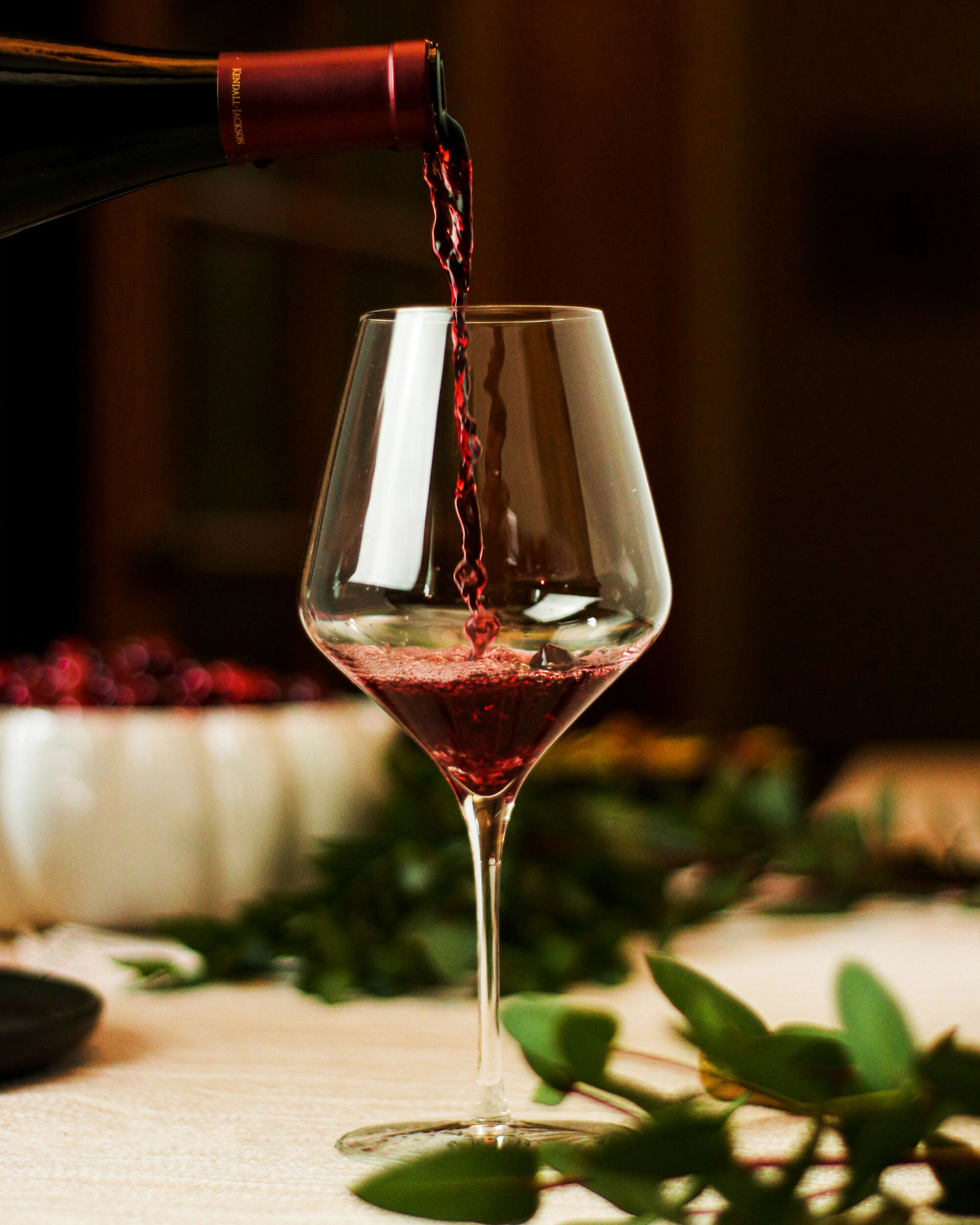
What does Syrah taste like? It depends on where it’s grown. Australian Shiraz tends to be fruit-forward, plush, and velvety. With Syrah from France’s Northern Rhône Valley, the fruit recedes to reveal cracked pepper, and savory, spice notes. Syrah from California’s Central Coast strikes a middle ground between these two regions, offering soft, generous ripe fruit, but also earth, savory notes, and cracked black pepper.
Overall, you can usually detect a Syrah by its intense dark fruit flavors, like blackberry, black cherry, and plum, along with savory notes of black pepper, smoked meats, and herbs. It tends to be full-bodied with velvety tannins and a slightly smoky finish. On the nose, you’ll find aromas of lavender, cloves, cocoa powder, violets, black olives, and leather. It’s a wine that reveals more layers as it opens up, making it an exciting experience with every sip.
Popular Syrah Wine Regions
Syrah is cultivated in both hemispheres. Here are some of the most popular regions that produce the most iconic Syrah wines:
California:
Syrah thrives in Sonoma County, Carneros, and Santa Barbara (home of our Santa Barbara County Syrah), where the longer growing season allows the grape to develop complex and concentrated flavors. The warmth encourages ripe fruit flavors, often accompanied by a touch of spice, while the coastal breezes help preserve refreshing acidity.
France:
In France, Syrah is cultivated on the steep hills of Northern Rhône, where it is produced as a single varietal wine from such iconic regions as Hermitage, Côte-Rôtie, and Cornas. Northern Rhône Syrahs are known for their elegance and layers of juicy dark fruit, pepper, and smoky flavors with aromas of sizzling bacon fat and cracked pepper charcuterie. In the sun-soaked Southern Rhône, Syrah is typically blended with Grenache and Mourvèdre to create a GSM (Grenache-Syrah-Mourvèdre) blend.
Australia:
The Aussies call it Shiraz, and it’s the country’s most popular variety as it is grown in every region. Warmer regions, such as the Barossa Valley, Clare Valley, and McLaren Vale typically produce fuller-bodied, fruit-forward styles, while cooler regions, such as the Adelaide Hills, lean toward lighter, more elegant styles, often revealing notes of pepper and spice.
Recommended Syrah Food Pairings
Syrah’s bold flavors complement simple fare, like pepperoni pizza, or hearty dishes, like barbecues and stews, especially those with robust seasoning or smoky elements. Here are several perfect pairings that we love and recommend:
- BBQ Pork Shoulder: The pork’s smoky richness brings out Syrah’s savory notes.
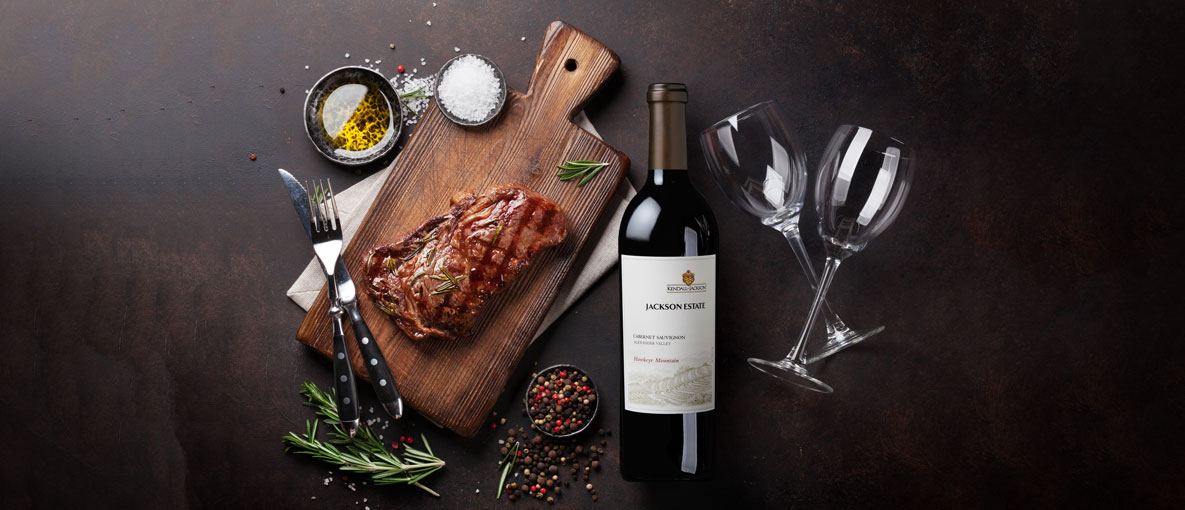
- T-Bone Steaks: A classic pairing, the steak’s fattiness works to soften the tannins in the Syrah beautifully.
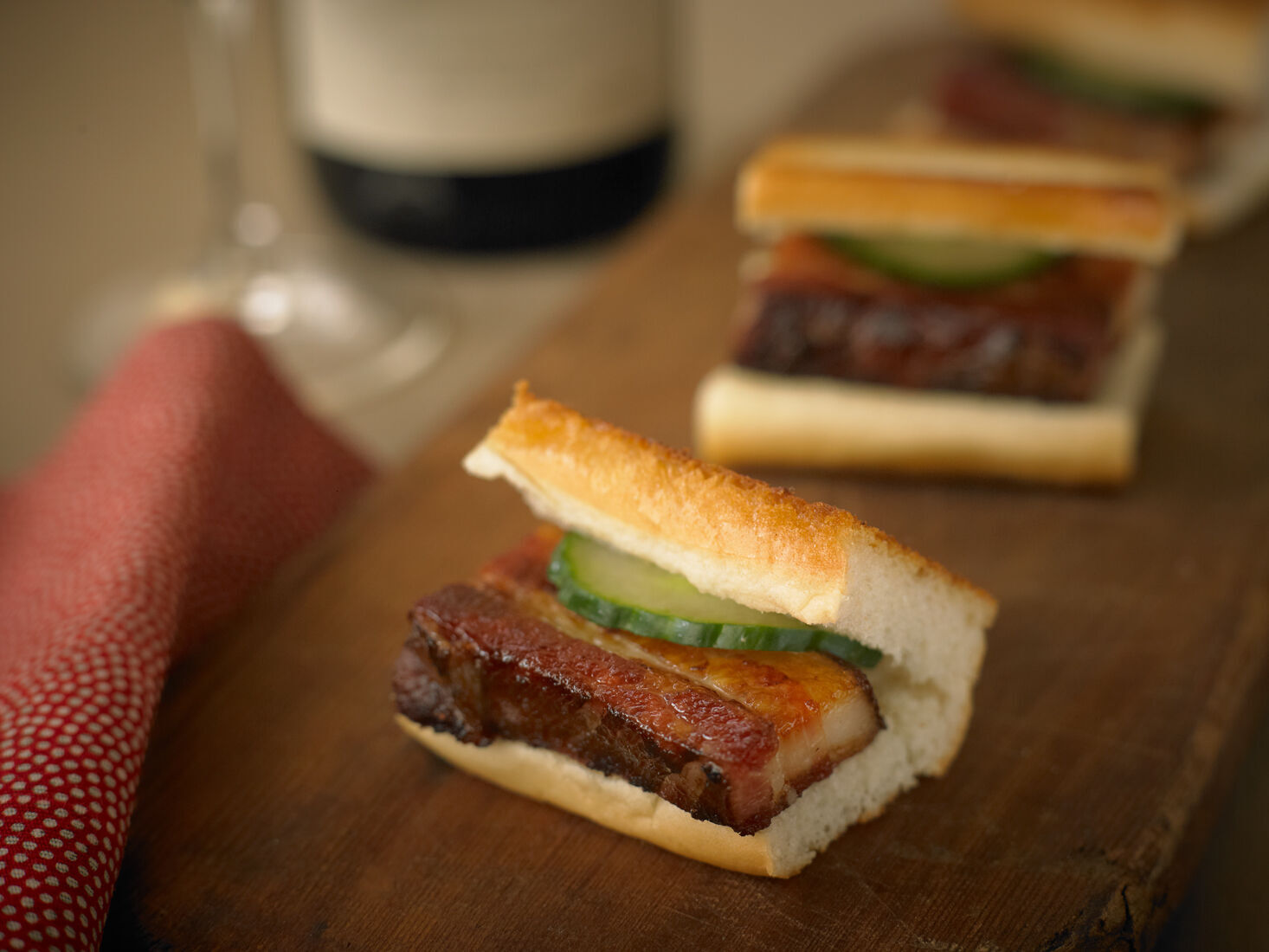
- Pork Belly Sliders: The pork belly’s sweet and savory flavors, paired with homemade Syrah BBQ sauce, are a match made in heaven.
For more great pairing ideas, check out our entertaining guide.
How to Properly Serve and Store Syrah
Below are storing and serving tips for ensuring you have the best possible Syrah experience.
- Serving Temperature: Serve slightly below room temperature, between 60–65°F (15–18°C).
- Glassware: Use a large red wine glass to allow the wine to breathe and fully express its aromas. Visit our wine glassware guide.
- Decanting: Decant a young Syrah for 30–60 minutes to enhance its flavors and soften its tannins.
- Storage: Store in a cool, dark place, around 55°F, with consistent humidity. Syrah can age for many years, so if you have a special bottle, don’t be afraid to cellar it and watch how its flavors evolve. For cellar tips, visit our wine storage guide.
Petite Sirah vs. Syrah
Though their names sound similar, Petite Sirah and Syrah are distinct red wines. Syrah is indeed one of the parent grapes of Petite Sirah, but the wines they produce are very different. Petite Sirah, which owes its name to its small berry size, actually produces bigger and bolder wines than Syrah, noted for their plum, black tea, licorice, and earthy flavors. In other words, there’s nothing petite about Petit Sirah. Syrah, on the other hand, while bold, tends to be more refined with layered flavors of fruit, spice, and smoked meat. Petite Sirah is mostly grown in the United States, with smaller portions found in Australia and Israel.
Syrah vs. Cabernet Sauvignon
While both Syrah and Cabernet Sauvignon are bold red wines, they have key differences. Syrah is typically spicier and more savory, with notes of black pepper and smoked meat. Cabernet, on the other hand, is known for its structure, with refined flavors of blackcurrant and cedar. Both wines pair well with rich meats, but Cabernet’s firmer tannins often make it a favorite for aging. Fun fact: Australia is known for blending these two varieties with its Shiraz-Cabernet Sauvignon signature wine.
Looking for a great Cabernet Sauvignon? Check out Kendall-Jackson’s Cabernet Sauvignon collection.
Shop the Best Syrah Wine from Kendall-Jackson
Kendall-Jackson produces Syrah from several vineyards in Santa Barbara County—a region similar in profile to the rugged landscape of the Rhône Valley with its gravelly, sandy-loam soils on rolling hills covered in scrubby brush. This wild character shows up in the intense wines grown here and creates a depth of character that is unique inside California. Our Santa Barbara County Syrah is rich with dark fruit flavors and spice. It’s palate-filling without being cloying or flabby—an enticing balance for a bold, red wine.
Explore our entire collection of Santa Barbara County wines for other thoughtful selections, and treat yourself to a bottle of our delicious Syrah:
Frequently Asked Questions
Is Syrah sweet or dry?
Syrah is predominantly a dry red wine with bold flavors and no noticeable sweetness. It’s worth noting, however, that Australia and South Africa do produce a dessert wine from late-harvest Shiraz grapes.
How does Syrah differ from Shiraz?
Syrah and Shiraz are the same grape but are labeled differently depending on the region. In Australia and South Africa, the grape is called Shiraz and tends to be produced in warmer regions, leaning toward a fruitier and more robust profile. In France and California, the grape is called Syrah and often grows in cooler areas, culminating in a more restrained and earthy style.
How does Syrah wine age compared to other red wines?
Syrah can age exceptionally well. High-quality Syrah can be laid down for decades to develop complex flavors and integrate its tannins. Syrah’s ability to age for decades is comparable to wines like Cabernet Sauvignon.
What are the most common misconceptions about Syrah wine?
A common misconception is that Syrah is too bold or harsh, but in reality, Syrah can be incredibly sultry, depending on the region and how it’s made. Northern Rhône Valley and the Adelaide Hills produce lighter, elegant wines from this magnificent grape.