


Share This
When you hear the phrase "Dry January," you probably think of a month-long commitment to skipping alcohol entirely. In the world of winemaking, however, "dry" means something completely different. It has nothing to do with lifestyle resets and everything to do with what’s left in the glass after fermentation.
So, what is a dry wine exactly? Simply put, “dry” refers to a wine’s sugar content—not its flavor intensity, body, or how it feels on your palate. That’s it! It doesn't determine how fruity, heavy, or bold the wine tastes.
In this guide, we’re going to demystify the difference between dry and sweet wines. We’ll look at the science behind sweetness, how to read a wine sweetness chart like a pro, and how to confidently choose any type of dry wine—whether you prefer a crisp Sauvignon Blanc, bold Cabernet Sauvignon, or bubbly Prosecco. So, pour yourself a glass, and let’s explore the delicious spectrum of wine.
What Does “Dry” Mean in Wine?
A dry wine is one that has little to no remaining sugar left (often referred to as “residual sugar” by winemakers) after the fermentation process is complete.
To understand this, we have to take a quick peek at the magic of winemaking. Grapes are naturally full of sugar. During fermentation, we add yeast to the grape juice. That yeast acts like a hungry little engine—it eats up the natural sugars from the grapes and converts them into alcohol and carbon dioxide. When most or all of that sugar is converted, the resulting wine is considered dry. If the winemaker stops the fermentation process early, leaving some sugar behind (aka, residual sugar), you get an off-dry or sweet wine.
This is why many of the world’s most classic wines—from crisp whites to structured reds—are classified as dry. Winemakers can choose to halt fermentation early to retain sweetness, but most allow fermentation to run its full course, culminating in a dry wine.
Debunking the "Dry" Myths
The biggest myth we hear is that dry wines dry out your mouth. While some red wines that are high in tannins, like a young Cabernet, can create a drying sensation on your gums, that isn't what the word "dry" describes on the label.
Furthermore, a dry wine isn't necessarily bitter, harsh, or difficult to enjoy. In fact, some of the most refreshing, easy-drinking wines in the world are technically dry. Think of a zesty Pinot Grigio on a hot day or a smooth Merlot with dinner—both are dry, yet neither feels austere or difficult to drink.
Dry vs. Sweet Wines: What’s the Difference?
The difference between dry and sweet wines isn't a black-and-white switch, but rather a spectrum. Wines can range from bone-dry (meaning zero perception of sugar) to lusciously sweet dessert wines, with plenty of delicious options in between.
While the technical definition of a dry wine comes down to the presence of residual sugar (often measured in grams per liter), your actual tasting experience or perception of sugar can be influenced by other factors. This is why wine is so fascinating!
Here are the main three factors:
- Acidity: High acidity—like the way lemonade’s zing can make your mouth water—can make a sweet wine taste drier than it actually is. This is because acidity balances the sugar, just as lemons offset the sugar in lemonade.
- Fruit Ripeness: A dry wine made from very ripe, sun-drenched grapes can smell and taste incredibly sweet because of the intense fruit flavors, even if there is no actual sugar in the liquid.
- Alcohol: Higher alcohol levels can sometimes add a perception of sweetness or body to a wine. Typically made from riper grapes, higher alcohol wine can be perceived as having intense, ripe fruit flavors, which can be mistaken for sweetness.

A Quick Comparison of Dry vs. Sweet Wines
Here is a simple way to visualize the difference:
- Residual Sugar: Dry wines usually have less than 10 grams of sugar per liter. Sweet wines can have 30 grams or much more. Interestingly, there’s a common misconception that dry wines have a lot of sugar. For comparison, a liter of coke has more than 100 grams of sugar or more than 10 times as much!
- Flavor Perception: Dry wines rely on fruitiness, acidity, and tannins for flavor, while sweet wines rely on the interplay of sugar and acid.
- Common Examples:
- Dry: Sauvignon Blanc, Pinot Noir, Chardonnay.
- Sweet: Moscato, Port, Riesling (though Riesling can be dry, too!). Typically any late-harvest or dessert wine.
- The Fruit Factor: Remember, a dry wine can still taste like strawberries, peaches, or blackberries. This is referred to as "fruitiness," not "sweetness."
Common Types of Dry Wines
From elegant reds to lively sparkling wines, the various types of dry wines span nearly every grape variety and style. Dryness is determined by sugar content—not color, body, or style—so you’ll find exceptional options across the board.
Let’s look at how dryness shows up across the most popular categories.
Dry Red Wines
It might surprise you to learn that the vast majority of red wines are dry. This is because winemakers will ferment them until almost all of the grape sugars have been fully converted into alcohol. When you pick up a bottle of red at the store, it is almost safe to assume it’s a dry wine unless it specifically says "sweet" or is a dessert wine like Port.
Common examples of dry red wine include:
- Cabernet Sauvignon: Known for black currant flavors and structure.
- Pinot Noir: Lighter, with cherry and earthy notes.
- Merlot: Plush and often fruit-forward.
- Syrah (Shiraz): Bold, spicy, and often meaty.
While these wines are dry, it’s important to note that if you feel a drying sensation when you drink a red wine, it’s not due to the lack of sugar but rather to the wine’s tannins—those compounds from skins, seeds, and stems imparted into the wine during fermentation.
Dry White Wines
White wines are where things get a little trickier for beginners. Many people associate white wine with sweetness because of popular styles like Moscato or White Zinfandel. In reality, many of the most widely enjoyed whites are crafted to be dry.
Common examples include:
- Sauvignon Blanc: Famous for its crisp acidity and citrusy zest.
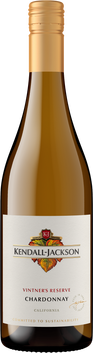
- Chardonnay: Can range from lean and mineral-driven to rich and buttery, but almost always dry.
- Pinot Grigio: Light, refreshing, and zesty.
You might be wondering, "Is Pinot Gris dry?" The answer is yes! Pinot Gris and Pinot Grigio are the same grape. While styles vary by region, both are typically made in a dry style. Learn more about Pinot Gris vs Pinot Grigio in our comprehensive blog.
Dry Sparkling Wines
When it comes to bubbles, the terminology can be a bit confusing. Paradoxically, the word "dry" on a Champagne or sparkling wine label actually means it has some sweetness.
If you want a truly dry bubbly, look for these terms:
- Brut Nature / Zero Dosage: Bone dry / No added sugar
- Extra Brut: Very dry
- Brut: Dry (this is the most popular style)
If you see "Extra Dry" or "Dry" on sparkling wine, it will actually be sweeter than “Brut.”
A sparkling wine’s final sweetness level is influenced by “dosage”— a small amount of wine and sugar added after the second fermentation to fine-tune its balance. Even if there is a tiny bit of sugar added to balance the acidity, a brut sparkling wine will taste crisp and dry.
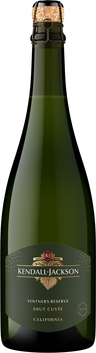
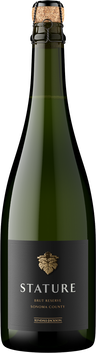
Sparkling wines are fantastic because the bubbles and high acidity act as a palate cleanser. Kendall-Jackson’s sparkling wines, which are crafted to be “brut” or “dry,” showcase how expressive and food-friendly dry sparkling wines can be. Learn more in our guide to sparkling wine 101.
How to Tell If a Wine Is Dry
So, you are standing in the wine aisle, and the bottle doesn't explicitly say "dry." How do you know what you are buying? Here are a few clues to help you solve the mystery:
- Read the Label and Tasting Notes: Look for words like "crisp," "savory," or "firm." Words like "jammy," "sweet," or "honeyed" might indicate sweetness, though they often just describe fruit flavors. Terms like “dry,” “brut,” or references to crisp acidity often signal low sugar levels.
- Check the Alcohol Level (ABV): Here’s a handy pro tip. Remember, yeast turns sugar into alcohol. Generally, higher alcohol (over 13.5% or 14%) implies that the yeast ate all the sugar, resulting in a dry wine. Lower alcohol (under 10% or 11%) often suggests fermentation was stopped early, leaving some sugar behind (typical for sweet German Rieslings or Moscato).
- Know Your Grape Varieties: While there are exceptions, knowing the "usual suspects" helps. Sauvignon Blanc and Cabernet Sauvignon are almost always dry. Moscato and Gewürztraminer are often sweet. Riesling and Chenin Blanc can be bone dry, slightly sweet (also called “off-dry”), or fully sweet.
- Use a Wine Sweetness Chart: Many wine shops and websites provide charts that place specific bottles on a scale from dry to sweet. These visual guides can quickly show where a wine falls along the sweetness spectrum. Sometimes, a wine bottle will also contain a sweetness meter on the back label.
Why Dry Wines Are So Popular Today
There is a reason why dry wines dominate restaurant lists and store shelves. Our modern palates have shifted toward appreciating wines that pair effortlessly with food.
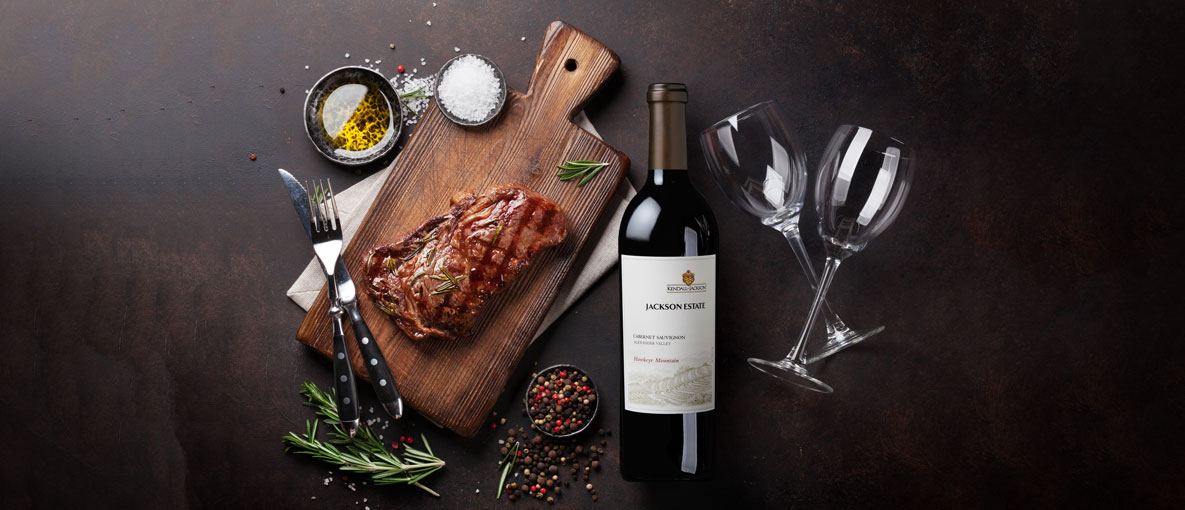
Excess sugar can sometimes clash with savory dishes, but a dry wine acts as a supporting character. The acidity in a dry white cuts through rich cream sauces, while the structure of a dry red stands up to a juicy steak.
Furthermore, dry wines are incredibly versatile year-round. They aren't just for dinner parties. A glass of crisp dry rosé is the ultimate summer accessory, while a dry red blend is perfect for cozying up by the fire. They offer a clean finish that keeps you coming back for another sip.
Final Sip: Making Sense of Dry Wines
Navigating the world of wine doesn't have to be intimidating. Understanding that a dry wine simply means that it’s "not sweet" opens up a whole new world of flavors to explore. It allows you to look past the label and focus on what really matters: the fruit, the acidity, the body, and the joy of sharing a bottle with friends.
Whether you’re exploring dry red wine, dry white wine, or dry sparkling options, sweetness charts, tasting notes, and alcohol levels can be helpful tools for discovering new favorites. Kendall-Jackson’s portfolio includes acclaimed wines across the spectrum—from beautifully dry expressions to wines with a touch of sweetness—so there’s always something to suit the moment.
Ready to find your new favorite dry wine?