



Share This
We've all stood in front of that wall of bottles—labels in every color, wines from every corner of the world, and absolutely no clue where to start. If this scene sounds familiar, relax: You're in good company and in the right place.
Whether you’re an absolute beginner or have some wine knowledge, the important thing to know is that you don’t need a sommelier's vocabulary, a memorized list of vintages, or a big budget to venture deeper into the world of wine. It just takes curiosity and a little willingness to explore. In this guide, we'll walk you through what qualities make a wine beginner-friendly, the best red and white wines for beginners, our favorite rosé and sparkling picks, the wine terms worth knowing, tips for building your palate, and the Kendall-Jackson bottles we recommend for getting started. For more than 40 years, K-J has been crafting approachable, food-friendly California wines that meet people exactly where they are, so consider us your personal guide as you dive into the delicious world of wine.
Best Wines for Beginners at a Glance
The five main types of wine are red, white, rosé, sparkling, and dessert wine. Each category is defined by how the grapes are grown, fermented, and finished, which results in distinct colors, flavors, and best uses at the table.
Here's a quick chart to help you get your bearings before we dive deeper into each wine type and its most popular wine varietals.
| Wine Type | Best Beginner Pick | About the Varietal |
|---|---|---|
| Red Wine | Pinot Noir | Light body, soft tannins, bright red fruit |
| Red Wine | Merlot | Smooth, plush, easy plum and cocoa character |
| White Wine | Chardonnay | Versatile, familiar, food-friendly |
| White Wine | Sauvignon Blanc | Crisp, refreshing, citrus-forward |
| White Wine | Riesling | Aromatic, ranges from dry to sweet |
| Rosé | Dry Rosé | Bridges red and white, easy summer sipping |
| Sparkling | Brut Cuvée | Festive, versatile, palate-cleansing |
What Makes a Wine Beginner-Friendly?
A beginner-friendly wine is smooth, balanced, and easy to drink, with soft tannins, moderate acidity, and approachable fruit-forward flavors that don't overwhelm the palate.
As you start exploring, here's what to look for on the label or ask about at the shop:
- Smooth and approachable, with soft tannins and balanced acidity
- Fruity and flavorful, with recognizable notes like apple, pear, cherry, or berry
- Versatile with food, so it can be enjoyed casually or with a meal
- Not overly complex, so it feels enjoyable rather than intimidating
- Enjoyable on its own, without needing a specific pairing to shine
- Affordable and accessible, so trying new bottles feels low risk
Think of it like learning to swim in the shallow end first. Once you feel steady, you can wade into deeper, more complex waters. There's no rush—every wine lover starts exactly where you are now.
Best Red Wines for Beginners
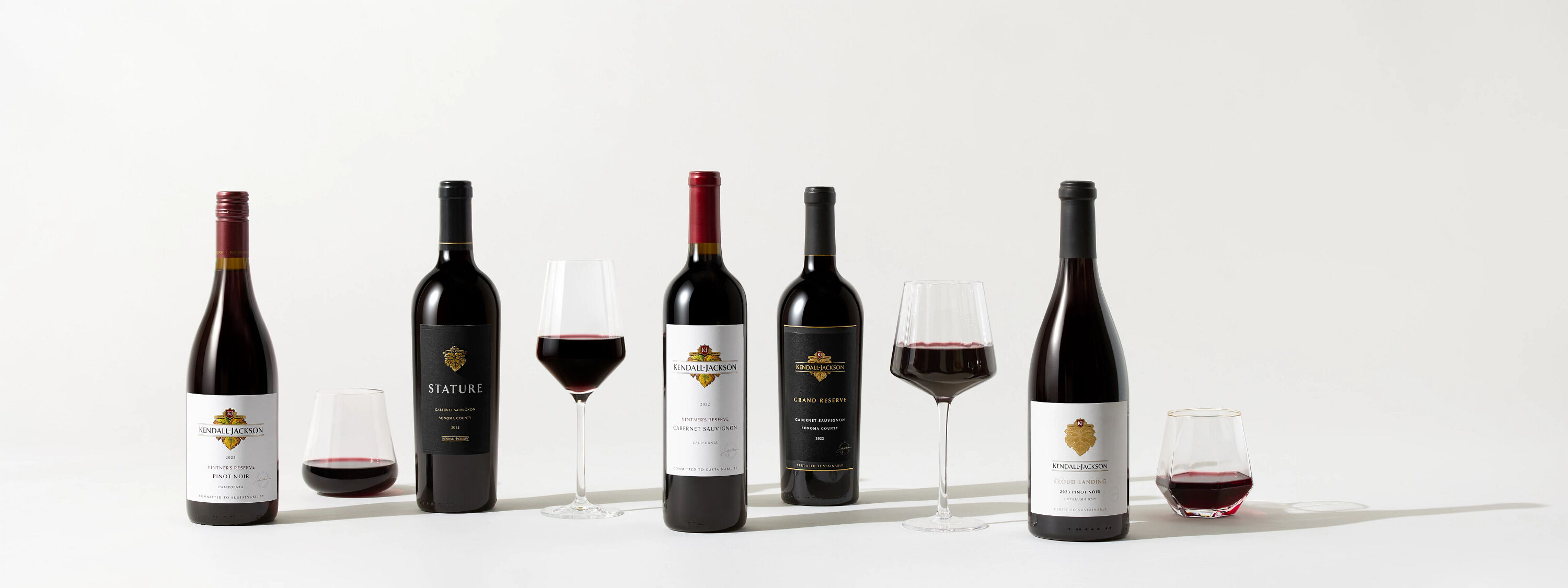
If you're curious about red wine but worried it'll be too bold or too heavy, we have good news: Red wine is a wonderful place to start, especially when you know which bottles to reach for first. The reds below are known for their soft, welcoming style—they're a great gateway into deeper, more complex flavors down the road. Want to go further? Check out our full guide to different types of red wine.
Pinot Noir
Pinot Noir is often considered the best red wine for beginners because its light body, silky texture, and bright red fruit flavors make it easy to enjoy without the intensity of bolder reds. It's a wonderfully versatile wine, too: Pour it alongside roasted chicken, mushroom pasta, or simply on its own after a long day. That's exactly why Pinot Noir has earned its reputation as the classic entry red for new drinkers.
- Flavor & Aroma: Cherry, raspberry, strawberry, subtle spice
- Body & Sweetness: Light to medium-bodied, dry
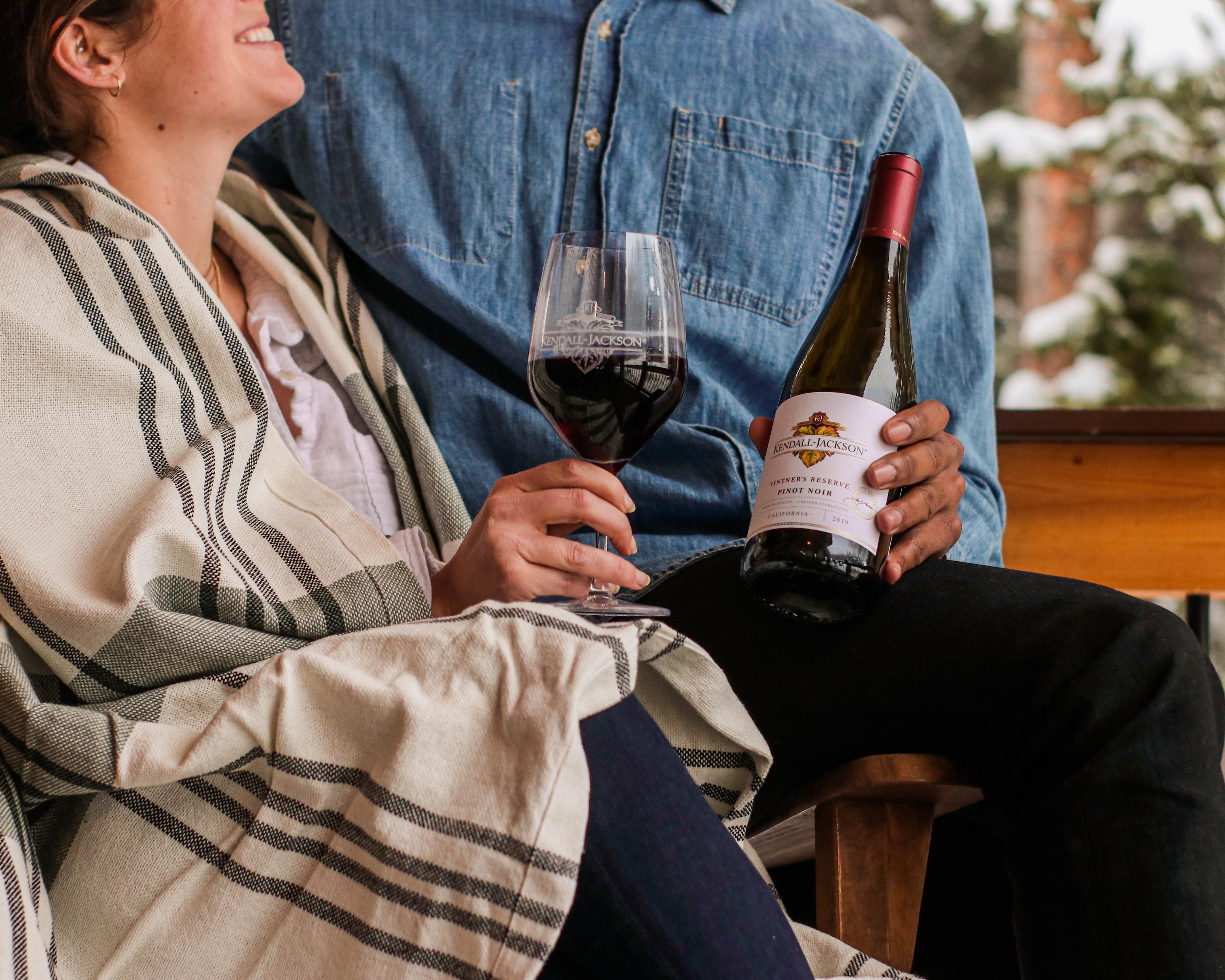
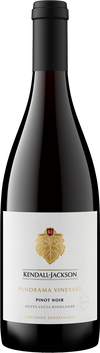
- K-J Recommendation: Vintner's Reserve Pinot Noir. Its bright cherry and strawberry fruit, earthy notes, and soft tannins make it a welcoming introduction to red wine.
Want to learn more? Explore our Pinot Noir collection or dive into our Pinot Noir Wine 101 Guide.
Jackson Estate
2023
Santa Lucia Highlands
750ml
$55
bottle
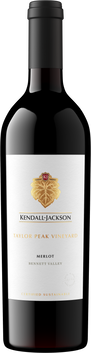
Merlot
Merlot is a wonderful beginner red thanks to its smooth, plush texture and approachable plum-and-chocolate flavor profile that feels comforting rather than challenging. It's often underestimated, but don't let its easygoing reputation fool you. Merlot delivers real richness with a softer structure that makes it easy to fall for.
- Flavor & Aroma: Ripe plum, black cherry, cocoa, herbs
- Body & Sweetness: Medium to full-bodied, dry
- K-J Recommendation: Vintner's Reserve Merlot. Its plush plum and cherry notes with a hint of spice make it a crowd-pleasing entry point into fuller reds.
Jackson Estate
2023
Bennett Valley
points
750ml
$60
bottle
Red Blends
Red blends are a great beginner choice because they combine multiple grape varieties to deliver balanced, layered flavors that feel accessible right out of the bottle. By blending grapes together, winemakers can smooth out the sharper edges of any single variety, which makes blends a genuinely friendly introduction to red wine.
- Flavor & Aroma: Varies by blend, often dark fruit, spice, and soft tannin
- Body & Sweetness: Medium to full-bodied, dry
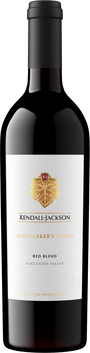
- K-J Recommendation: Winemaker's Red Wine Blend. Crafted from three grape varieties, this wine offers bright red fruit with a soft, supple finish.
Explore our full red wine collection.
Best White Wines for Beginners
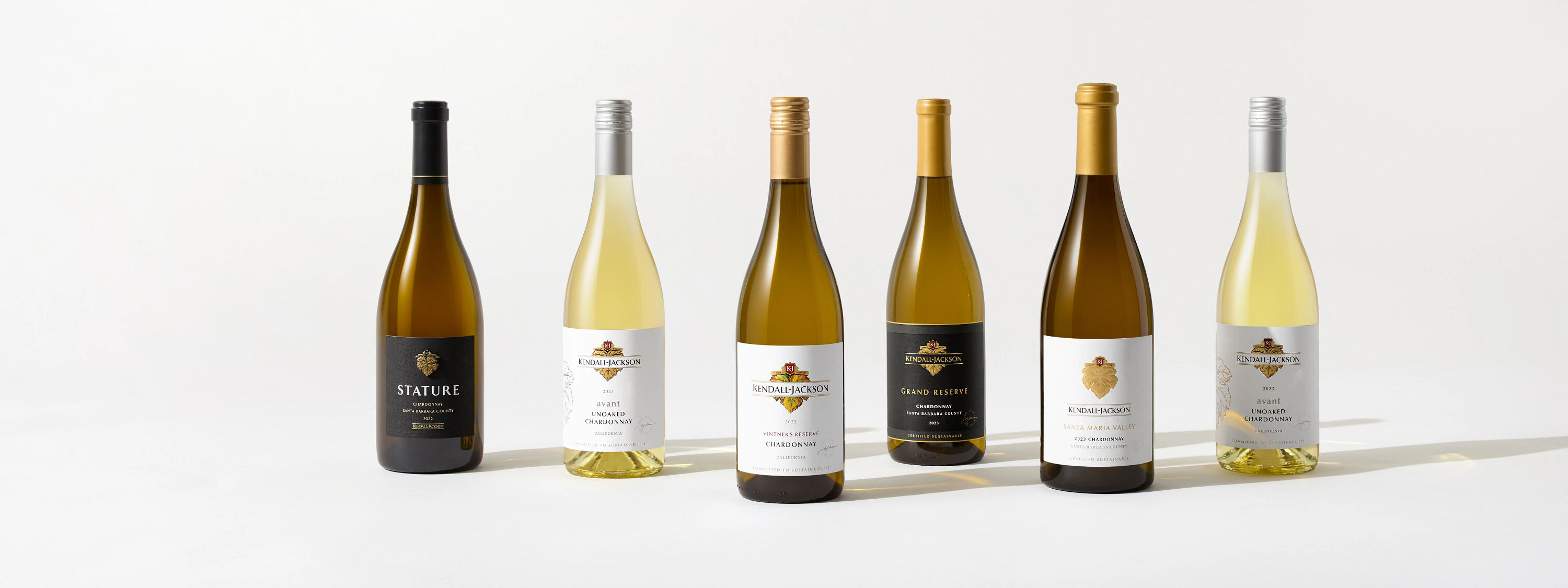
White wine brings brightness, versatility, and food-friendliness to the table in a way that's hard to beat. Whether you love a rich, buttery pour or something crisp and zesty, there's a white wine varietal calling your name. For more, check out A Beginner’s Guide to the Different Types of White Wine.
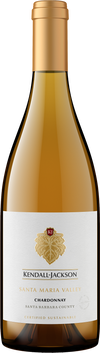
Chardonnay
Chardonnay is one of the most beginner-friendly white wines because its versatility means there's a style for every palate, from crisp and citrusy to rich and creamy. If you like your wine bright and refreshing, look for an unoaked style. If you're drawn to something a little richer and more complex, a lightly oaked Chardonnay introduces creamy, toasty notes without overwhelming your palate.
- Flavor & Aroma: Apple, pear, lemon, vanilla, butter, toasted oak
- Body & Sweetness: Medium to full-bodied, dry
- K-J Recommendation: Vintner's Reserve Chardonnay. America's number-one Chardonnay for over 30 years, offering ripe tropical fruit, a hint of vanilla, and a smooth, food-friendly finish.
Have fun trying different styles in our full Chardonnay collection.
Want to learn more? Read our Chardonnay Wine 101 Guide and learn about Oaked vs. Unoaked Chardonnay.
Jackson Estate
2023
Santa Barbara County
points
750ml
$35
bottle
Sauvignon Blanc
Sauvignon Blanc is a fantastic beginner white thanks to its bright acidity, zesty citrus flavors, and refreshing character that feels lively from the first sip. It pairs naturally with light foods like salads, seafood, and fresh cheese, which makes it an easy, everyday pour as you get to know your preferences.
- Flavor & Aroma: Grapefruit, lemon, green apple, fresh-cut grass
- Body & Sweetness: Light to medium-bodied, dry
- K-J Recommendation: Vintner's Reserve Sauvignon Blanc. Its bright citrus, stone fruit, and tropical notes make it a crisp, refreshing introduction to white wine.
Shop our full Sauvignon Blanc collection and learn more with our Sauvignon Blanc Wine 101 Guide.
Riesling
Riesling is a great beginner wine because it ranges from bone dry to sweet, giving new drinkers an easy way to figure out which end of the sweetness spectrum they prefer. Its high acidity keeps even sweeter styles feeling balanced and food-friendly, so you can explore your taste without ever feeling like you've picked "wrong."
- Flavor & Aroma: Peach, apricot, apple, honey, floral notes
- Body & Sweetness: Light-bodied, dry to sweet
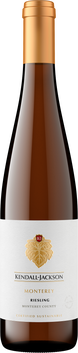
- K-J Recommendation: Vintner's Reserve Riesling. Its balanced, off-dry style delivers apricot and honey flavors with just enough sweetness to feel approachable.
Keep learning more with our guide to Pinot Gris vs. Pinot Grigio.
Best Rosé for Beginners
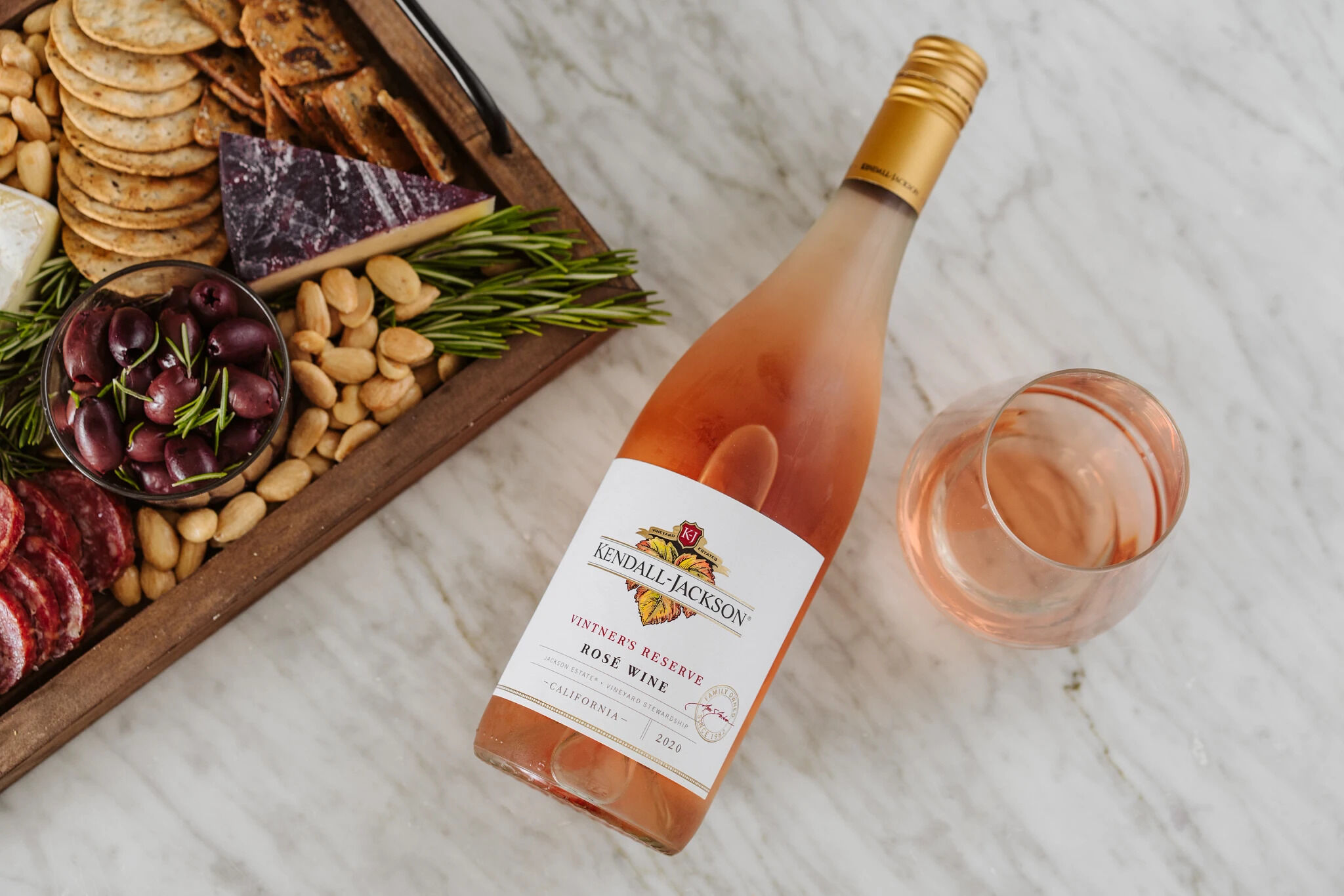
Rosé is a wonderful beginner wine because it combines the freshness of a white with the fruitiness of a red, offering an easy, versatile pour that works for almost any occasion. Its light body, bright acidity, and strawberry and citrus flavors make it easy to enjoy chilled on a warm afternoon or alongside a casual dinner with friends. If you can't decide between red and white, rosé says you don't have to.
- Flavor & Aroma: Strawberry, watermelon, citrus, raspberry
- Body & Sweetness: Light-bodied, dry
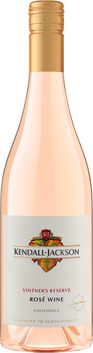
- K-J Recommendation: Vintner's Reserve Rosé. Its vibrant strawberry, watermelon, and citrus notes make it a light, refreshing ticket into the rosé world.
Learn more about this style of wine, how it’s crafted, and what to pair it with in our blog, Rosé Wine 101, then have fun shopping our rosé collection.
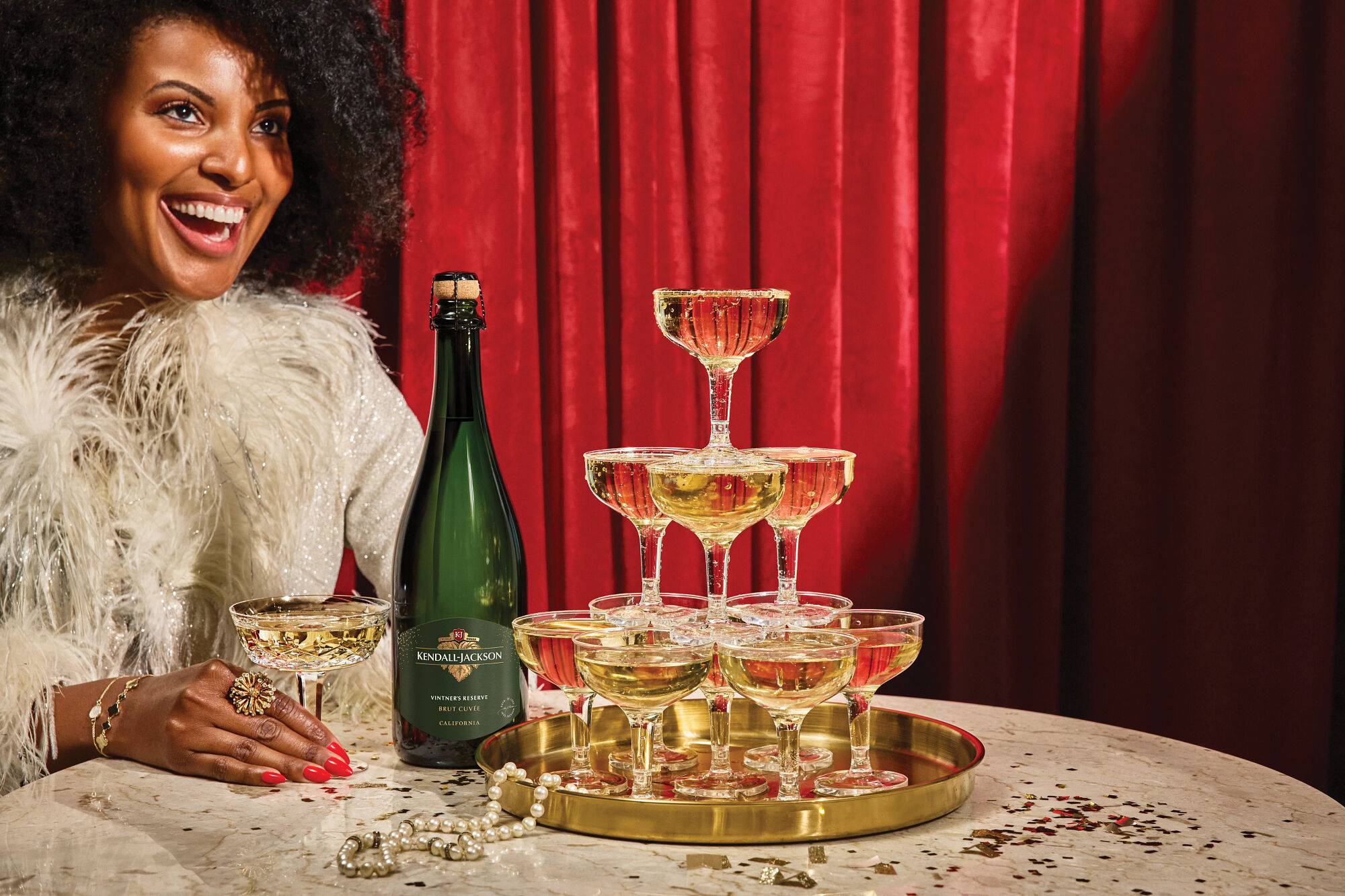
Best Sparkling Wine for Beginners
Sparkling wine is one of the best beginner-friendly categories because its effervescence, bright acidity, and festive character make it easy to enjoy on its own or with food. Whether you reach for a bone-dry brut, a dry style, or something a touch off-dry, sparkling wine has a way of turning an ordinary Tuesday into something worth celebrating.
- Flavor Notes: Citrus, green apple, pear, toast, brioche
- Body & Sweetness: Light to medium-bodied, dry
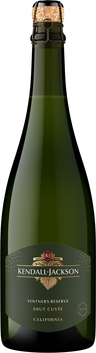
- K-J Recommendation: K-J Brut Cuvée Sparkling Wine. With its fruity aromas, lively acidity, and clean finish, this traditional method sparkling is crafted to bring a little celebration to everyday moments.
Explore our Sparkling Wine 101 blog for a deeper dive into all styles from Prosecco to Champagne, and treat yourself to a bottle of bubbles from our sparkling wine collection.
Wine Terms Every Beginner Should Know
A handful of basic wine terms can make shopping, ordering, and tasting so much more enjoyable—no dictionary required. Here's your starter list:
- Dry: A wine with little to no residual sugar, meaning it doesn't taste sweet.
- Sweet: A wine with noticeable residual sugar and fruit-forward character.
- Tannins: The dry, gripping sensation in red and skin-contact white wines that comes from grape skins, seeds, stems, and oak.
- Acidity: The bright, mouthwatering freshness in a wine.
- Body: How light or heavy a wine feels in the mouth.
- Finish: How long the flavor lingers after each sip.
- Varietal: A wine made primarily from a single grape variety, like Chardonnay or Merlot.
- Vintage: The year the grapes for the wine were harvested.
Discover our full guide to the top wine terms every wine drinker should know.
How to Start Drinking Wine with Confidence
1. Start with What Sounds Good
The best way to start exploring wine is to trust your instincts and try wines that sound appealing to you, whether that means fruity, crisp, or bold.
2. Take Notes as You Go
Keeping simple notes on the wines you enjoy and dislike helps you learn your palate faster and remember favorites for future purchases.
3. Try One New Wine at a Time
Exploring one new varietal at a time makes it easier to notice what you like about each style and build a mental map of your preferences. Even once you've found a variety you like, don't let that stop you from trying others. You may discover new favorites!
4. Pair with Food You Love
Pairing wine with familiar foods you already enjoy is one of the best ways to build confidence and discover how wine can enhance a meal.
5. Ask Questions
Wine shop staff and restaurant servers are wonderful resources for beginners, so never hesitate to ask for recommendations based on your taste.
Common Wine Misconceptions to Let Go Of
Before we wrap up, let's clear away a few myths that hold new drinkers back more than they should.
- Expensive wine is not always better wine. Great bottles exist at every price point.
- Dry wine is not bitter. It simply means the wine has little residual sugar.
- Sweet wine is not lower quality. Many world-class wines are sweet by design.
- Red wine is not always higher in alcohol than white wine.
- You do not need to swirl, sniff, or spit to enjoy wine.
- Screw caps are not a sign of low quality. Many premium wines use them.
As with any endeavor, experience is the most important thing. The more wines you try, the more you learn which varietals and styles please your palate. We are big proponents of "drink what you like."
How to Serve Wine at Home
A few small details in how you serve wine can make any bottle taste even better.
Ideal Serving Temperatures
White and rosé wines shine best at 45 to 55°F. Just make sure to remove them 30 minutes from the refrigerator before serving to let their flavors open up and their aromas come to life. Plan to serve red wines at 55 to 65°F—a light chill in the refrigerator for 15 to 30 minutes will do the trick. Curious about the "why" behind these numbers? Read our What Temperature Should My Wine Be? blog.
Glassware Basics
A universal wine glass works for almost every style, so you don't need multiple glass shapes to get started. When you're ready to explore further, our Premier Guide to Types of Wine Glasses breaks it all down, as the right glass can really enhance the varietal it’s holding.
How to Store Wine
You don't need a fancy wine fridge, but it is important to store your unopened wine in a cool, dark place like a basement. You'll also want to drink most beginner wines within a few years of purchase. For the full picture, head to our blog on How to Store Your Wine.
Discover Kendall-Jackson's Beginner-Friendly Portfolio
Ice wine is a rare, sweet wine made from grapes that are left to freeze on the vine, resulting in intensely concentrated sweetness and acidity. Canada, Germany, and the Finger Lakes region in New York are known for their sweet ice wines balanced by searing acidity.
As America's number-one Chardonnay for over 30 years, we've spent decades crafting approachable, food-friendly California wines that welcome new drinkers with open arms. Our Vintner's Reserve tier is the perfect place to start—the wines are balanced, consistent, and made to pair beautifully with everyday meals and moments.
From the bright cherry notes of our Pinot Noir to the crisp citrus of our Sauvignon Blanc, we invite you to explore across Chardonnay, Sauvignon Blanc, Pinot Noir, Merlot, and rosé until you find the bottles that feel like yours. There's no wrong way to start this journey, and we're honored to be part of it. So go ahead, raise a glass—we'll be right here with you every pour of the way.
FAQs
What is the best wine for beginners?
The best wines for beginners are smooth, fruit-forward, and easy to drink, including Pinot Noir, Merlot, Chardonnay, Sauvignon Blanc, Riesling, Rosé, and Moscato.
Should beginners start with red or white wine?
Beginners can start with either red or white wine, though many new drinkers find white wines like Chardonnay and Sauvignon Blanc easier to enjoy first because they tend to be lighter and less tannic.
What is the easiest red wine to drink?
Pinot Noir is often considered the easiest red wine to drink thanks to its light body, soft tannins, and bright red fruit flavors.
What is the easiest white wine to drink?
Chardonnay, Sauvignon Blanc, and Pinot Grigio are among the easiest white wines to drink because they offer approachable, fruity flavors and balanced acidity.
Is sweet wine good for beginners?
Yes, sweet wines like Moscato and off-dry Riesling are excellent for beginners because their fruit-forward, dessert-like style is easy and enjoyable from the first sip.
How much should I spend on my first bottle of wine?
Many excellent beginner-friendly wines are available in the $15 to $25 range, and there's no need to spend more to find a bottle you will love.
What is the best wine to drink with dinner?
Pinot Noir, Chardonnay, Sauvignon Blanc, and rosé are among the most versatile and food-friendly wines, and they pair beautifully with a wide range of dinner dishes.
Is Kendall-Jackson a good wine for beginners?
Yes, Kendall-Jackson wines are widely regarded as a great starting point for beginners because they offer approachable, balanced, food-friendly styles across every major varietal.