



Share This
Red wine has a remarkable way of bringing us together—whether it’s a glass of Cabernet on the porch with a friend or a bottle of Pinot Noir shared over pizza with loved ones. With so many styles to explore, understanding the different types of red wine can feel both exciting and a little intimidating at first.
In this guide, we’ll walk through the essentials of red wine, from what gives it its color and character to how to choose a bottle that fits your taste and occasion. Along the way, you’ll discover some of the most beloved types of red wine—from Cabernet Sauvignon and Pinot Noir to Merlot and beyond—so you can feel confident selecting and enjoying each glass.
What is Red Wine?
Red wine is wine made from dark-colored grape varieties. The magic that gives red wine its signature color and structure happens during fermentation. Unlike white wine, where the grape skins are typically removed before fermentation, red wine is fermented with the skins remaining in contact with the juice. This process, called maceration, gives red wine its signature color, structure, and texture.
Beyond this basic explanation, red wine is a celebration of agriculture and art. It reflects the land where the grapes were grown (often called terroir) and the choices the winemaker makes along the way. The result is a remarkable diversity of flavors and styles.
Climate is a huge determinant in a red wine’s flavor profile. Warmer growing regions often produce fuller-bodied wines, while cooler climates may yield lighter, more delicate expressions. From the sun-drenched hills of California to the historic vineyards of France, every bottle tells a story of the earth, the grape variety, and the people who tend it.
How to Choose a Red Wine
Choosing a red wine doesn't have to be a guessing game. A wine’s body, flavor profile, and suitability for your occasion can help guide your choice. A great place to start is by considering the body of the wine. We often use milk as an analogy here: think of light-bodied wines like skim milk, medium-bodied wines like whole milk, and full-bodied wines like heavy cream. If you want something easy-drinking and refreshing, go lighter. If you want something rich that coats your palate, go fuller.
Next, consider flavors that appeal most to you, from bright cherry and raspberry to dark plum, cocoa, or spice. Use the tasting notes on the label as your cues. If you see words like "cherry," "raspberry," and "bright," you are likely looking at a lighter, fruit-forward wine. If you see "dark chocolate," "tobacco," "leather," or "black currant," expect a bolder, more savory experience. Don't worry if you don't taste exactly what the label says—everyone’s palate is different!
The occasion also matters: a casual dinner might call for an easygoing wine, while a special meal may invite something more complex.
A final tip: Don’t be afraid to be adventurous. Your palate evolves over time, and a wine you didn't enjoy five years ago might become your new favorite today. Try different styles, explore various regions, and ask questions. There is a whole world of different types of red wine waiting to be discovered, and the best way to learn is by tasting.
The Main Types of Red Wine
While there are hundreds of red grape varieties grown around the world, you’ll find a few key players on most wine lists and store shelves. These famous varieties are popular for a reason—they are consistent, delicious, and widely available. Let’s dive into the specific characteristics of the wines you are most likely to encounter.
Cabernet Sauvignon
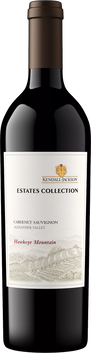
Affectionately referred to as the king of red grapes, Cabernet Sauvignon is the most widely planted red grape in the world. Known for its power, depth, and structure, high-quality Cabernet rewards both immediate enjoyment and long-term cellaring. Kendall-Jackson’s Cabernet Sauvignon portfolio sources from exceptional vineyard sites across California. To dive deeper into this iconic grape, visit our Cabernet Sauvignon 101.
- Flavor Profile: Rich and robust, featuring dark fruits like black currant (cassis), blackberry, and black cherry. You will often find notes of mint, eucalyptus, and bell pepper, layered with notes of cocoa or cedar depending on oak aging.
- Common Aromas: Beyond dark fruit, look for cedar, baking spices, vanilla, tobacco, and sometimes graphite or pencil shavings (especially in Bordeaux styles).
- Body: Generally full-bodied, with pronounced tannins that give the wine structure.
- Sweetness: Most Cabernet Sauvignon wines are dry, though ripe fruit flavors can create a perception of richness.
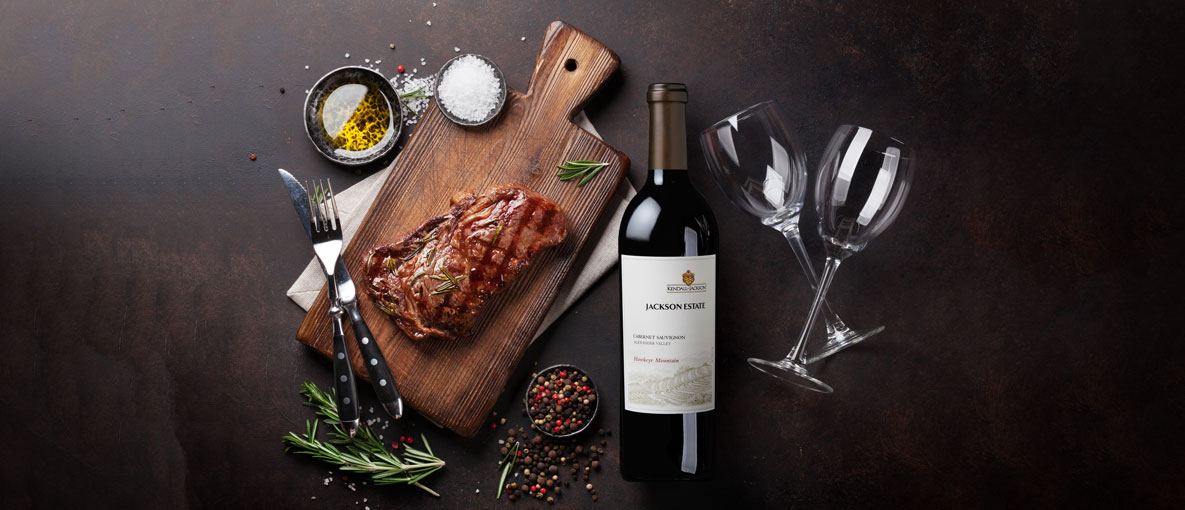
- Food Pairings: The high tannins make it the ultimate partner for rich proteins. Think "Cab and a Slab"—steak, ribeye, grilled lamb, or aged cheddar cheese.
- Aging Potential: High tannins and acidity allow it to age beautifully for 5–10 years or more and develop complexity as tannins soften.
- Wine Regions: Bordeaux (France), Napa Valley & Sonoma County (California), Washington State, and Chile.
Jackson Estate
2022
Alexander Valley
points
750ml
$70
bottle
Jackson Estate
2022
Knights Valley
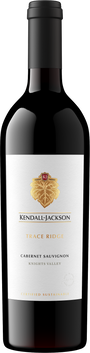
points
750ml
$80
bottle
Pinot Noir
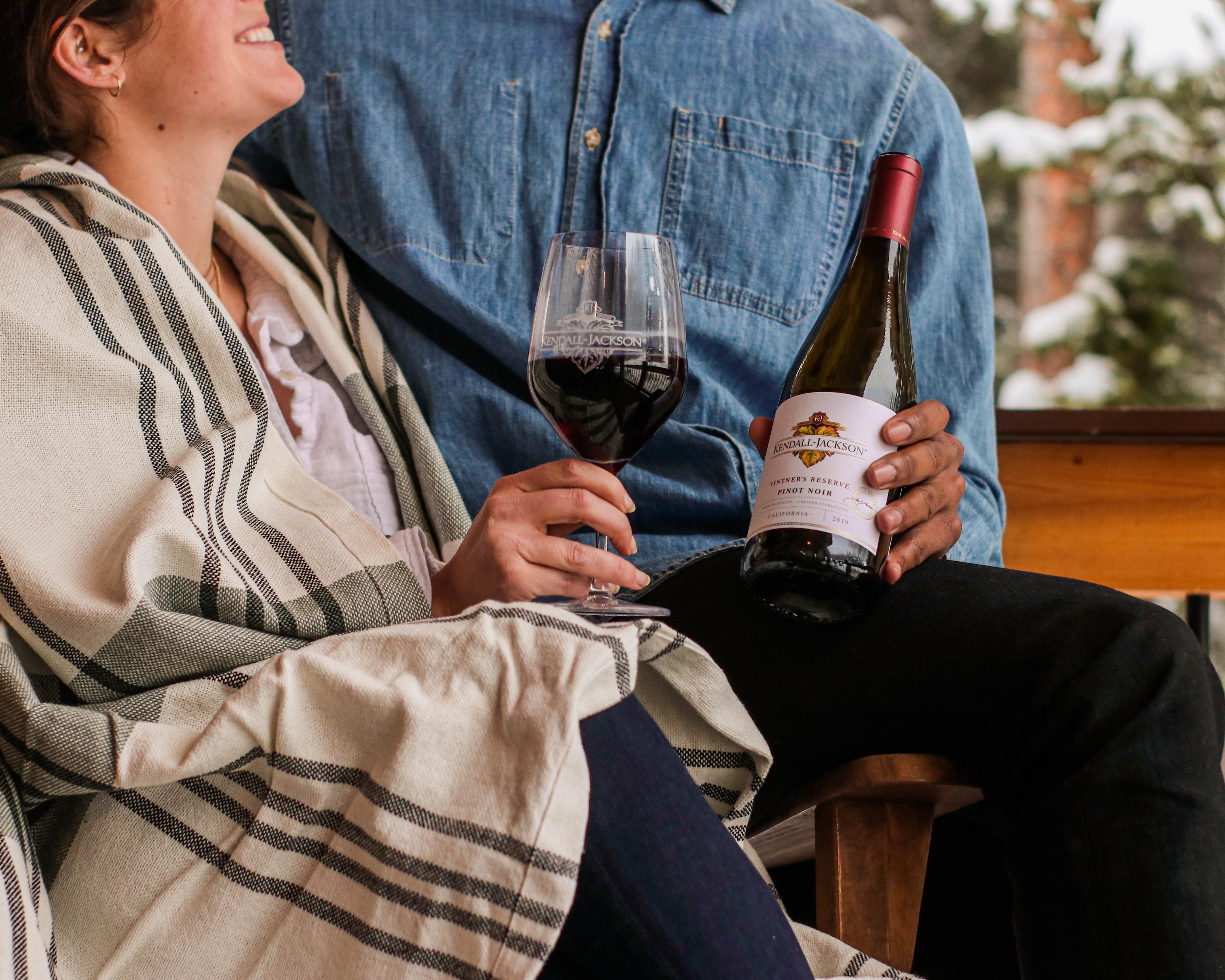
If Cabernet is the powerhouse, Pinot Noir is the elegant dancer. It is famously difficult to grow—often called the "heartbreak grape"—because it has thin skins and is sensitive to the weather. Pinot Noir is cherished for its finesse, complexity, and ability to reflect the specific place in which it is grown. Typically lighter in color and body than many other types of red wine, it offers vibrant fruit character with a silky texture. Every bottle of Kendall-Jackson Pinot Noir is cultivated in cool, coastal California vineyards to preserve its bright acidity and delicate aromatics. To dive deeper into this fascinating grape, read our full Pinot Noir 101 blog.
- Flavor Profile: Driven by red fruits like cherry, raspberry, strawberry, pomegranate, and cranberry. As it ages, it develops umami notes, such as mushrooms, and earthy notes like forest floor.
- Common Aromas: Rose petal, violets, vanilla, damp earth, and fresh red fruit.
- Body: Light to medium-bodied. It feels silky and smooth with its refined tannins.
- Sweetness: Dry, though the ripe fruit flavors can sometimes give a sweet impression.
- Food Pairings: The ultimate food-friendly wine. Pairs perfectly with salmon, roast chicken, duck, mushrooms, and charcuterie boards.
- Aging Potential: While many are enjoyable young, high-quality versions age well for a decade or more.
- Wine Regions: Burgundy (France), Willamette Valley (Oregon), Sonoma County & Santa Barbara (California), and New Zealand.
Jackson Estate
2023
Santa Lucia Highlands
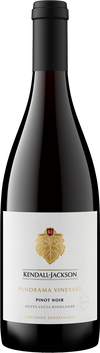
750ml
$55
bottle
Merlot
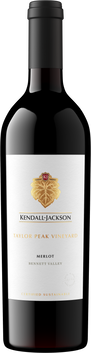
Merlot is celebrated for its approachable, fruit-forward character and smooth texture, making it a welcoming introduction to red wine. It is often described as the softer, fleshier cousin to Cabernet Sauvignon. In fact, winemakers often blend the two together because Merlot adds a velvety texture that smooths out Cabernet’s intense tannins.
Kendall-Jackson’s Merlot offerings highlight rich fruit balanced with elegance. These wines offer a comforting, approachable experience, making them a crowd-pleaser for parties and dinners.
- Flavor Profile: Juicy and plush, featuring black cherry, plum, raspberry, and often a hint of dried herbs, mocha, or chocolate.
- Common Aromas: Ripe berries, cocoa, mocha, vanilla, clove, and cedar.
- Body: Medium to full-bodied with soft, rounded tannins.
- Sweetness: Dry.
- Food Pairings: Extremely versatile. It shines with roasted poultry, pasta with tomato sauce, pork chops, and hamburgers.
- Aging Potential: Many are delicious upon release, though structured examples can age several years.
- Wine Regions: Bordeaux (Right Bank), Napa Valley & Sonoma County (California), Washington State, Chile, and Italy (Tuscany).
Zinfandel
Zinfandel is a grape with a bold personality and a special place in American winemaking history. While it originated in Croatia, it has thrived in California, becoming a signature variety for the state. Often vibrant and energetic, Zinfandel can range from jammy and plush to structured and spicy. Our Vintner's Reserve Zinfandel captures the best of both styles, with brambly fruit and sultry spice. It is incredibly fun to drink—the kind of wine that doesn't take itself too seriously but delivers serious flavor.
- Flavor Profile: A fruit explosion of blackberry bramble, strawberry jam, and peppery spice.
- Common Aromas: The signature marker is spice—black pepper, cinnamon, sweet tobacco, and sometimes exotic spices like star anise.
- Body: Medium to full-bodied.
- Sweetness: Red Zinfandel is dry but often tastes fruity and ripe.
- Food Pairings: The barbecue king. It stands up perfectly to sweet, spicy, or smoky BBQ sauces, pulled pork, pizza, and hearty stews.
- Aging Potential: It is usually best enjoyed within 3–5 years to capture its vibrant fruitiness, though some structured wines age well.
- Wine Regions: California (especially Lodi, Paso Robles, and Sonoma County), and Italy (where it is called Primitivo).
Syrah (Shiraz)
Syrah (known as Shiraz in Australia) is the brooding, dark, and mysterious character in the lineup of red wines. It produces some of the darkest, full-bodied wines in the world. If you love big, bold flavors but want something different from Cabernet Sauvignon, Syrah is an excellent choice.
This grape reflects its climate dramatically. In cooler climates, it can be savory and olive-like. In warmer climates, it becomes massive and chocolaty. It adds wonderful depth to any wine collection. Kendall-Jackson’s Syrah expressions highlight balance between ripe fruit and layered spice.
- Flavor Profile: Intense dark fruit like blueberry and black plum. It is famous for a savory, meaty quality that sets it apart.
- Common Aromas: Black pepper, olive tapenade, smoked meat, bacon fat, dark chocolate, and violets.
- Body: Typically full-bodied with firm structure.
- Sweetness: Dry.
- Food Pairings: Game meats (venison, boar), lamb shawarma, grilled sausages or steak, and heavily spiced dishes.
- Aging Potential: Syrah’s high antioxidants and structure allow it to age gracefully.
- Wine Regions: Rhône Valley (France), Barossa Valley (Australia), Paso Robles and Central Coast (California), Washington State, and Spain.
Red Blend
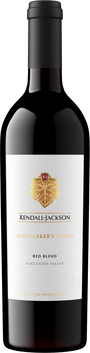
Why choose just one grape when you can have the best of several? Red blends are created by combining two or more grape varieties to produce a wine that is harmonious and greater than the sum of its parts. Think of it like a symphony orchestra—each instrument (or grape) plays a role to create a beautiful piece of music. Winemakers use blending to enhance aroma, color, texture, and body. Learn more about the artistry behind these wines in our Red Wine Blend 101 blog and check out Kendall-Jackson’s Red Blends.
- Flavor Profile: Highly variable depending on the blend, but generally designed to be balanced, fruit-forward, and smooth.
- Common Aromas: A complex mix of the component grapes—often berries, spices, vanilla, and oak.
- Body: Typically medium to full-bodied.
- Sweetness: Ranges from dry to off-dry, depending on the winemaker's style. Most premium red blends are dry.
- Food Pairings: Because they are balanced, they are the Swiss Army Knife of wines. Great with burgers, tacos, pizza, hearty vegetarian items, or just on their own.
- Aging Potential: Most are crafted to be enjoyed immediately upon release, while structured blends can age gracefully.
- Wine Regions: Produced everywhere, with famous examples from Bordeaux, Rhône, and California.
White Wine vs. Red Wine: What are the Key Differences?
If you are new to wine, you might wonder what actually separates red from white beyond the obvious color difference. It really comes down to the grapes used and the winemaking method.
- The Skins: As mentioned earlier, red wines ferment with the grape skins, seeds, and stems. White wines are usually pressed immediately, removing the skins before fermentation. This is why red wines have tannins and white wines generally do not.
- Color: Red wine ranges from light ruby to deep purple, while white wine appears pale gold to straw. Red wine lightens as it ages, while white wine darkens.
- The Flavors: Red wines typically showcase red and black fruit flavors (berries, plums, cherries) and savory notes, while white wines focus on citrus, tree fruits (apple, pear), and tropical fruits (pineapple, mango).
- Serving Temperature: Red wines are best served at slightly cooler than room temperature (55–65°F) to highlight their aromas and soften the alcohol. White wines are served chilled (45–55°F) to maintain their crispness and acidity.
- The Feeling: Red wines often feel heavier and more drying due to tannins, while white wines feel lighter and more acidic, often described as tart or zesty.
Why Kendall-Jackson Reds Stand Out
At Kendall-Jackson, we see the glass half full. We believe that great wine creates moments of human connection and joy, and we are on a mission to make wine fun and welcoming for everyone. Whether you are reaching for a bottle of our bold Cabernet Sauvignon or trying a silky Pinot Noir for the first time, you can be assured of two things: quality and sustainability.
Our family-owned winery is committed to sustainability, crafting wines from vine to glass with the Earth in mind. We farm our coastal vineyards with precision, ensuring that every grape achieves its full potential. We make our red wines using boutique winery methods, custom matching each barrel to the wine for maximum varietal expression. When you choose a Kendall-Jackson red, you aren't just buying a bottle of wine. You’re choosing consistency, integrity, and a delicious experience that brings people together.
Ready to explore the delicious world of reds? We have a bottle with your name on it.