


Share This
Navigating the wine aisle can sometimes feel like trying to read a map in a language you haven't learned yet. There are hundreds of labels, different regions, and fancy terms that can make even the most enthusiastic wine lover feel a little lost. But here's the good news: you don't need a sommelier certification to find a bottle you'll absolutely love. At Kendall-Jackson, we believe there’s a wine for everyone, and discovering your new favorite glass should be a fun, flavor-filled adventure.
White wine is an incredibly diverse category, ranging from zesty and refreshing sips that cool you down on a hot day to rich, creamy pours that feel like a cozy blanket on a chilly afternoon. Whether you're looking for something to pair with Tuesday tacos or a celebratory bottle for a weekend gathering, understanding the basics of different types of white wine opens up a world of delicious possibilities. In this guide, we’re going to walk you through popular varieties—from familiar favorites like Chardonnay and Sauvignon Blanc to lesser-known gems like Chenin Blanc, Viognier, and Albariño. You’ll learn how to decode tasting notes and gain the confidence to pick the perfect bottle, or just try something new. Let's dive in!
What is White Wine?
At its simplest, white wine is grape juice that has been fermented without the grape skins (Note, these grapes are wine grapes, not table grapes!). While red wine gets its color and tannins from fermenting with the dark skins of red grapes, white wine is made by pressing the juice away from the skins before fermentation begins. This process preserves the delicate, crisp, and fruity flavors that white wines are famous for.
But did you know that white wine isn't just made from green grapes? It can actually be made from red grapes too, as long as the juice is separated from the pigment-rich skins immediately after crushing, as in the way Champagne is made using Pinot Noir. Generally, though, white wines are made from yellow or green-skinned grapes like Chardonnay, Sauvignon Blanc, and Riesling. The result is a beverage that ranges in color from nearly clear to deep gold, offering a spectrum of flavors from tart lemon to sweet honey.
One of white wine’s defining features is its versatility. Depending on the grape variety, climate, and winemaking style, white wines can range from crisp or mineral-driven to fruity or creamy, and from bone-dry to gently sweet. Winemaking decisions are paramount: Stainless steel fermentation preserves vibrant fruit and acidity, while aging in oak barrels can add texture, warmth, and notes of vanilla or toast. This range is what makes exploring the different types of white wine so rewarding—there’s truly a style for every palate and every occasion.
How to Choose the Best White Wine
Picking the "best" white wine is entirely subjective because the best wine is simply the one you enjoy the most. However, if you're standing in the store wondering where to start, here are a few friendly tips to guide your hand.
- First, consider the body of the wine. Do you want something light and watery like skim milk (light-bodied), or something richer and weightier like whole milk (full-bodied)?
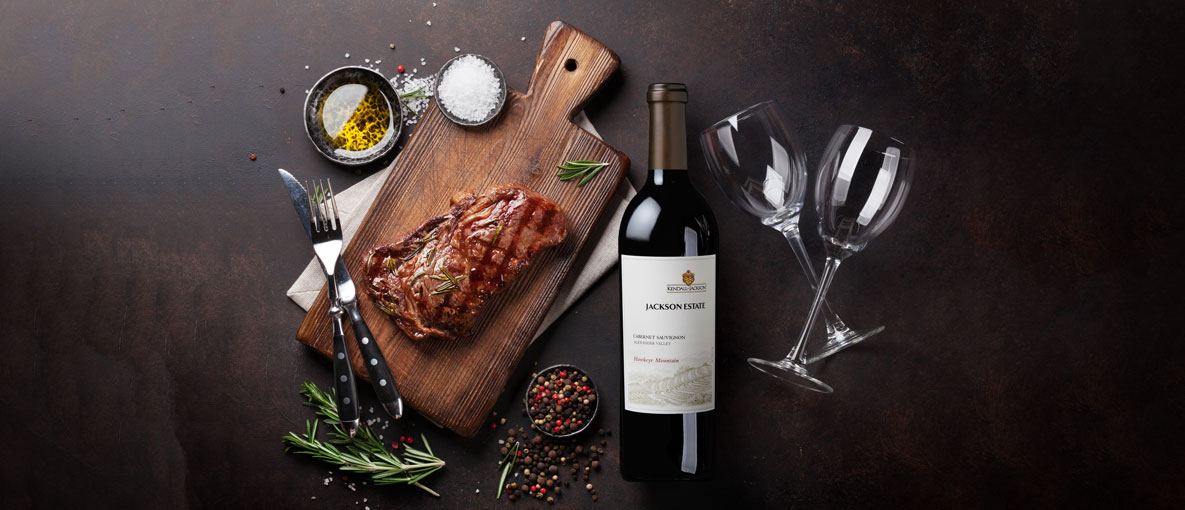
- Second, think about flavor preferences. If you love tart lemonade or green apples, you might lean towards high-acidity wines like Sauvignon Blanc. If you prefer smooth, vanilla, or buttery flavors, an oaked Chardonnay is likely your perfect match. Third, think about the occasion. A sunny picnic usually calls for something crisp and chilled, while a steak dinner might surprisingly pair well with a robust, full-bodied white. One of our favorite pairings is a steak topped with a pat of butter and salt, paired with a glass of Vintner’s Reserve Chardonnay—give it a try!
- Finally, think of the tasting notes on the back label as your friends. Look for descriptors that sound tasty to you. Adjectives like "crisp," "zesty," and "mineral" usually indicate a lighter, refreshing style. Descriptors like "creamy," "rich," and "toasted" suggest a bolder, smoother experience. Similarly, “stainless-steel fermented” will typically indicate a fruit-forward, lighter-bodied style while “barrel-fermented” will point to a more complex, fuller-bodied wine.
The most important advice we can give? Be an explorer. Don't be afraid to try different styles over time. You might be surprised to find that your palate changes, or that you love a varietal you never thought you would.
The Main Types of White Wine
While there are hundreds of white grape varieties grown around the world, a handful of classic or “noble” grapes make up the vast majority of what you'll see on wine lists and store shelves. Getting to know these key players is the best way to start your white wine journey.
Chardonnay
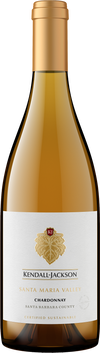
Chardonnay is the world's most popular white wine for a reason: It is the ultimate chameleon. Because the grape is relatively neutral on its own, it acts like a blank canvas for the winemaker. It can be crisp and clean when fermented in stainless steel, or rich and creamy when aged in oak barrels with its lees (spent yeast) frequently stirred. At Kendall-Jackson, we know a thing or two about this grape—our Vintner’s Reserve Chardonnay has been America’s favorite for over 30 years! And our Chardonnay collection offers a huge range of flavors and styles, from low-calorie and unoaked, to full-bodied and complex. If you want to become a true expert on this versatile variety, check out our Chardonnay 101 guide.
- Flavor Profile: This varies hugely by style. Unoaked versions taste of green apple, citrus, and stone fruit. Oaked versions develop notes of vanilla, butter, toast, cream, caramel, and baked pear.
- Common Aromas: Expect a bouquet ranging from yellow citrus, green apple, and pineapple to warm scents of vanilla bean, toasted almond, and honeysuckle.
- Body: Chardonnay is typically medium to full-bodied. The oaked versions, in particular, have a weightier, rounder mouthfeel that feels substantial on the palate.
- Sweetness: Most Chardonnay is dry (not sweet), but the ripe fruit flavors and the influence of oak can give it a perception of sweetness or richness.
- Food Pairings: A rich, oaked Chardonnay is incredible with creamy pastas, roasted chicken, or lobster with drawn butter. Crisp, unoaked styles shine with fresh oysters or vegetable risotto.
- Aging Potential: While most white wines are meant to be drunk young, high-quality oaked Chardonnays can age beautifully for 5–10 years, developing savory, nutty complexities.
- Wine Regions: It grows well everywhere, but it is most famous in Burgundy (France), California (Sonoma County, Napa Valley, Santa Barbara County), Oregon (Willamette Valley), Australia, and Chile.
- Aging Potential: Many age gracefully for several years, developing added complexity.
Jackson Estate
2023
Santa Barbara County
points
750ml
$35
bottle
Sauvignon Blanc
If Chardonnay is the comfortable sweater of white wines, Sauvignon Blanc is the crisp white linen shirt—breezy, refreshing, and full of energy. Known for its high acidity and punchy aromatics, this is the wine you reach for when you want to wake up your palate. It’s zesty, herbaceous, and incredibly food-friendly. Kendall-Jackson’s Sauvignon Blanc collection captures the vibrant spirit of California's coastal vineyards. Dive deeper into this zesty wine in our Sauvignon Blanc 101 guide.
- Flavor Profile: This wine is all about clarity and zest. Expect bold flavors of lime, grapefruit, passion fruit, white peach, and often a signature kick of green bell pepper or fresh-cut herbs.
- Common Aromas: It is highly aromatic, jumping out of the glass with scents of lime zest, green apple, lemongrass, fresh herbs, and sometimes a stony mineral quality.
- Body: Generally light to medium-bodied. It feels sleek and refreshing in your mouth, lacking the heaviness of a warm-climate Chardonnay.
- Sweetness: It is almost always made in a dry style. However, the intense fruitiness can make it feel juicy and ripe without actual sugar.
- Food Pairings: The high acidity cuts through fat and salt beautifully. Pair it with goat cheese (a classic match), salads with vinaigrette, pesto pasta, or delicate white fish.
- Aging Potential: Sauvignon Blanc is best enjoyed young and fresh, usually within 1-3 years of the vintage, to preserve its vibrant fruit and acidity.
- Wine Regions: Famous regions include the Loire Valley in France (where it’s known as Sancerre), Marlborough in New Zealand, and of course, California's North Coast.
Pinot Gris/Grigio
Here’s a secret that surprises many wine drinkers: Pinot Gris and Pinot Grigio are actually the same grape. The difference lies in the style and the region. Pinot Grigio usually refers to the Italian style—light, crisp, and refreshing. Pinot Gris often refers to the French (Alsace) style, which is richer, spicier, and more full-bodied. At Kendall-Jackson, our Vintner's Reserve Pinot Gris captures the best of both styles, offering fresh fruit layers that feel luxurious and textured. Curious about the distinction? Read our full breakdown of Pinot Gris vs. Pinot Grigio here.
- Flavor Profile: Pinot Grigio is often simple and clean with lemon and green melon notes. Pinot Gris offers riper stone fruits like nectarine and apricot as well as pear and sometimes a hint of ginger spice.
- Common Aromas: Look for delicate floral aromas like honeysuckle mixed with citrus blossom (white flowers), pear, almond, and wet stone.
- Body: Pinot Grigio is usually light-bodied, while Pinot Gris tends to be medium-bodied with a slightly oily or waxy texture that coats the mouth.
- Sweetness: Italian Pinot Grigio is bone dry. Alsatian-style Pinot Gris can range from dry to off-dry (slightly sweet), depending on the winemaker's intent.
- Food Pairings: The lighter style is perfect for porch sipping or light appetizers. The fuller Pinot Gris pairs wonderfully with spicy Thai food, tacos, roast pork, or rich seafood dishes.
- Aging Potential: Like Sauvignon Blanc, these are generally meant to be consumed young to enjoy their fresh fruit character.
- Wine Regions: Northern Italy is king for Pinot Grigio, while Alsace (France) and Oregon are famous for high-quality Pinot Gris. California produces wonderful examples of both styles.
Riesling
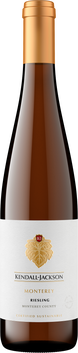
Riesling is perhaps the most misunderstood white wine in the world. Many people assume it is always sugary sweet, but Riesling actually spans the entire spectrum from bone-dry to dessert-wine sweet. It is famous for its sky-high acidity, which makes it incredibly refreshing and capable of aging for decades. At Kendall-Jackson, we produce Riesling from Monterey County, where the long, cool growing season encourages vibrant fruit aromas and bright acidity.
- Flavor Profile: Riesling is intensely fruity, featuring flavors of citrus, green apple, stone fruit, and pineapple. As it ages, it can develop a unique and prized "petrol" or diesel note.
- Common Aromas: It is very aromatic, offering scents of jasmine, citrus peel, honeycomb, and distinct mineral notes like slate, flint, or for an older Riesling, petrol.
- Body: It is typically light-bodied, dancing lightly on the palate thanks to that zippy acidity.
- Sweetness: This is the wildcard! Always check the label. "Dry" or "Trocken" means no sugar. Otherwise, expect some sweetness that is perfectly balanced by the acidity.
- Food Pairings: Riesling is the champion of spicy food pairings. It is unmatched with Indian curries, spicy Asian noodles, and even Tex-Mex.
- Aging Potential: Surprisingly, high-quality Riesling is one of the longest-lived white wines. That sky-high acidity allows it to evolve and improve for decades in the bottle.
- Wine Regions: Germany is the homeland of Riesling, but excellent dry examples come from the Alsace region of France, Australia's Clare Valley, the New York Finger Lakes region, California’s Monterey County, and Washington State.
Albariño
If you love the crispness of Sauvignon Blanc or an unoaked Chardonnay but want to try something different, say hello to Albariño. This high-quality grape is the star of northwestern Spain and Portugal (where it's called Alvarinho). It is known for its distinctive salty, briny character that comes from growing near the ocean. Kendall-Jackson is excited to offer mouthwatering Albariño that we produce from cool-climate vineyards along the coast of Monterey County.
- Flavor Profile: Think of biting into a juicy grapefruit or lemon while standing on a pier. It combines citrus, unripe peach, and melon with a saline, sea-spray finish.
- Common Aromas: It smells like fresh lemons, lime zest, nectarine, and often has a subtle almond or floral note.
- Body: Generally light to medium-bodied with a zippy, mouth-watering texture.
- Sweetness: It is produced almost exclusively as a dry white wine.
- Food Pairings: Because it grows by the sea, it pairs perfectly with food from the sea. Fish tacos, ceviche, grilled octopus, and mussels are its best friends.
- Aging Potential: It is best drunk young and fresh to capture its zest, usually within the first year or two of release.
- Wine Regions: Rías Baixas in Spain and Vinho Verde in Portugal are the most famous regions, though it is gaining traction in California vineyards too.
Chenin Blanc
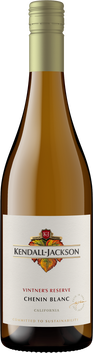
Chenin Blanc is a wonderfully versatile grape that, much like Riesling, can be made in styles ranging from bone-dry and sparkling to sweet and honeyed. It has a high natural acidity that keeps it tasting fresh, regardless of the sweetness level. It’s a grape that adapts beautifully to its environment, offering a unique reflection of the vineyard. Kendall-Jackson’s Vintner’s Reserve Chenin Blanc offers a citrusy-tropical profile that goes beautifully with Indian or Thai food.
- Flavor Profile: Dry styles feature tart pear, ginger, and chamomile. Sweeter styles taste of ripe passion fruit, honeycomb, and baked apple.
- Common Aromas: Expect floral notes like jasmine and saffron, mixed with wet wool (a classic descriptor!) and yellow apple.
- Body: It ranges from lean and light in sparkling versions to rich and full in sweet or oaked versions.
- Sweetness: Extremely variable. In France's Loire Valley (where it’s known as Vouvray), it is made in every style. In South Africa (where it's called Steen), it is often dry and zesty.
- Food Pairings: Dry Chenin is great with vegetable dishes and salads. Off-dry versions are fantastic with sweet-and-sour dishes or roasted pork with apples.
- Aging Potential: High-quality Chenin Blanc, especially the sweeter styles, can age for decades, turning golden and nutty over time.
- Wine Regions: The Loire Valley (France) and South Africa are the two major hubs for this grape. Clarksburg, California is a rising center of Chenin Blanc production.
Viognier
For those who find Chardonnay a bit too oaky and Sauvignon Blanc a bit too sharp, Viognier (pronounced vee-own-yay) is a lush, aromatic alternative. It is known for its incredible perfume—it smells like a flower shop in spring! It is a difficult grape to grow, but when done right, it produces a wine that feels hedonistic and exotic. Try our Jackson Estate Yorkville Vineyard Viognier, which is sourced from Mendocino County’s Yorkville Highlands. There, the marine fog and big temperature swings create smaller berries with intense flavor and lively acidity.
- Flavor Profile: It is famous for tangerine, peach, mango, and honeysuckle flavors. It has lower acidity than most whites, giving it a softer feel.
- Common Aromas: The nose is unmistakable: powerful scents of rose petals, honeysuckle, violets, and apricot jam.
- Body: Viognier is a medium to full-bodied white wine with an oily, creamy texture that coats the palate, similar to an oaked Chardonnay.
- Sweetness: While it smells sweet due to the floral aromas, the wine itself is usually dry.
- Food Pairings: This aromatic wine needs aromatic food. Pair it with Moroccan tagine, dishes with saffron, roasted root vegetables, or lobster.
- Aging Potential: Generally, Viognier is low in acidity and meant to be consumed young while its floral aromatics are at their peak.
- Wine Regions: The Northern Rhône in France is its spiritual home, but it also thrives in California (Mendocino County, Santa Maria Valley) and Australia.
Jackson Estate
2023
Yorkville Highlands
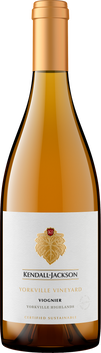
750ml
Sold Out
White Wine vs Red Wine: What are the Key Differences?
The most obvious difference between red and white wine is the color, but the differences go much deeper than just aesthetics. As we mentioned earlier, the color comes from the grape skins. Red wines ferment with the skins, seeds, and sometimes the stems, which impart tannins—that drying sensation you feel on your gums. White wines are pressed off the skins, resulting in lighter color, lower tannins, higher acidity, and fresher fruit flavors.
Here is a quick breakdown of the main differences:
- Color: White wines range from pale straw to golden. Reds are deeper in hue, from pale ruby to dark purple. Interestingly, white wines deepen in color as they age, while red wines lighten in color over the years.
- Tannins: Red wines have tannins (drying texture) while white wines have little to no tannins.
- Acidity: White wines generally have higher acidity, making them taste tart and refreshing. Red wines usually have softer acidity.
- Flavors: White wines feature citrus, orchard fruits, tropical fruits, and floral notes. Red wines feature red or dark fruit—berries, cherries, and plums, for example—and spice, with potential umami and earthy notes.
- Serving Temperature: White wines are served chilled (45–55°F) to highlight their crispness. Red wines are served slightly below room temperature (55–65°F).
- Glassware: White wine glasses have smaller bowls to preserve floral aromas and keep the wine cool. Red wine glasses have larger bowls to let the bold flavors breathe.
Find Your Next Favorite White Wine with Kendall-Jackson
We hope this guide has demystified the wine aisle a little bit for you. From classic Chardonnay and zesty Sauvignon Blanc to expressive varieties like Chenin Blanc, Viognier, and Albariño, the world of white wine is yours to explore in our online store.
At Kendall-Jackson, we are committed to crafting high-quality, sustainable wines that bring people together and turn shared meals into memories. We invite you to browse our portfolio, and discover why we are America’s favorite winemaker. You don't need a special occasion to pop a cork—sometimes the best reason is simply to celebrate the moment you're in.
Ready to taste different types of white wine? Let us deliver your bottles directly to your door.