
Share This
Are you a white wine lover eager to explore new horizons? Or perhaps a wine beginner looking to expand your knowledge? Welcome to our complete guide to Pinot Blanc wine (pronounced pee-noh-blahnc)! Known for its versatility and delicate flavor profile, Pinot Blanc is beloved by sommeliers and casual wine drinkers alike.
This guide will take you on a flavorful exploration of Pinot Blanc, covering its origins, taste, food pairings, and even a comparison to its close cousin you may be more familiar with: Pinot Gris. Whether you're looking to refine your palate, impress your guests, or discover the best Pinot Blanc wines, you’ll find everything you need right here.
Pinot Blanc Quick Facts
Here’s a snapshot of everything you need to know about Pinot Blanc:
- Regions: France (Alsace, Burgundy), Germany, California (Russian River Valley)
- Origin: Mutation of Pinot Noir from Burgundy, France
- Taste: Crisp, balanced with fresh notes of apple, pear, and citrus
- Sweetness: Typically dry, medium acidity
- Color: Pale to light gold
- ABV (Alcohol by Volume): 12-13.5%
- Aging: Often enjoyed young, though some aged versions develop complexity
What is Pinot Blanc Wine?
Pinot Blanc is a versatile and refreshing white wine that’s as easy to love as it is to sip. While often overshadowed by its more famous relatives, Pinot Blanc stands out for its crisp acidity and subtle fruit flavors, making it a perfect match for a wide range of foods and occasions. This wine is made from Pinot Blanc grapes, which are actually a mutation of Pinot Noir.
What’s truly remarkable about Pinot Blanc is its adaptability. Pinot Blanc is used to produce still wines, sparkling wines, and even luscious dessert wines. Whether you prefer a light, floral white or something a bit richer with body, Pinot Blanc has a style for you.
The History of Pinot Blanc
Pinot Blanc’s history begins in the Burgundy region of France, where it originated as a mutation of the Pinot Noir grape. Official recognition of its distinct characteristics came centuries ago, when it began establishing itself as a standalone varietal.
In Alsace, Pinot Blanc thrives due to the region’s cooler climate, producing wines with lively acidity and fresh fruit flavors. Germany also embraced Pinot Blanc, known there as "Weißburgunder," where it’s made into both dry and off-dry styles. In more recent years, Pinot Blanc has found a home in the Russian River Valley of California, where it’s celebrated for its bright, clean flavors.
Why Should You Drink Pinot Blanc Wine?
Pinot Blanc offers a little something for everyone. Its approachable flavor profile—crisp, refreshing, and balanced—makes it a favorite among wine lovers looking for something light yet flavorful.
It pairs beautifully with a variety of cuisines.
- Its delicate balance of fruit and acidity is ideal for any season.
- Pairs beautifully with a variety of cuisines.
- An excellent introduction to white wines for novices while still offering complexity for connoisseurs.
- A great alternative for those who enjoy Sauvignon Blanc or Chardonnay but want to try something new and different.
For anyone venturing into the world of wine, Pinot Blanc serves as the perfect starting point—and perhaps even a lifelong favorite.
Jackson Estate
2024
Russian River Valley

750ml
$35
bottle
Pinot Blanc Tasting Notes and Flavor Profile
Now that we have your interest, you are probably thinking, “So what does Pinot Blanc taste like?” This white wine is known for its fresh and inviting flavor profile. Common tasting notes include:
- Fruits: Green apple, pear, and subtle citrus like lemon and lime.
- Floral: Gentle hints of white flowers such as jasmine or elderflower.
- Minerals: A lovely, clean minerality often reminiscent of wet stone.
Pinot Blanc is typically light to medium-bodied, with a smooth, rounded mouthfeel. Its vibrant acidity helps balance the fruity flavors, making it both lively and refreshing on the palate. Some Pinot Blanc wines, especially those from Alsace, can have a slightly richer texture with notes of honey or spice as they age.
Pinot Blanc Wine Regions
Pinot Blanc thrives in several renowned wine regions across the globe. Here’s where you’ll find its standout expressions:
California
In California, Pinot Blanc finds a home in the Russian River Valley, where the cool, foggy mornings and sunny afternoons create ideal conditions for the grape. California Pinot Blanc is typically fruit-forward, with bright apple and pear flavors balanced by zesty acidity.
You can explore more about this region here.
France
- Alsace: Alsace is known for its exceptional white wines, and Pinot Blanc is no exception. The cooler climate here helps preserve the wine’s natural acidity while allowing the fruit flavors to shine. Alsace Pinot Blanc is often light, crisp, and ideal for food pairing.
- Burgundy: As the birthplace of Pinot Blanc, Burgundy continues to produce elegant and balanced expressions of this wine. While it’s not as widely grown here as Chardonnay or Pinot Noir, the wines that do come from Burgundy offer a more structured and mineral-driven profile.
Germany
In Germany, Pinot Blanc (known as Weißburgunder) is highly regarded for its purity and elegance. The wines are often light, crisp, and aromatic, with a balance of ripe fruit and minerality. Germany’s cooler climate helps maintain the wine’s signature freshness and acidity.
Recommended Pinot Blanc Food Pairings
Pinot Blanc’s crisp acidity and subtle fruit flavors make it a dream to pair with food. Here are some of the best dishes to enjoy alongside this wine:
- Pizza: Pinot Blanc’s fresh acidity pairs perfectly with the rich, savory flavors of pizza. Check out our wine and pizza pairing guide here.
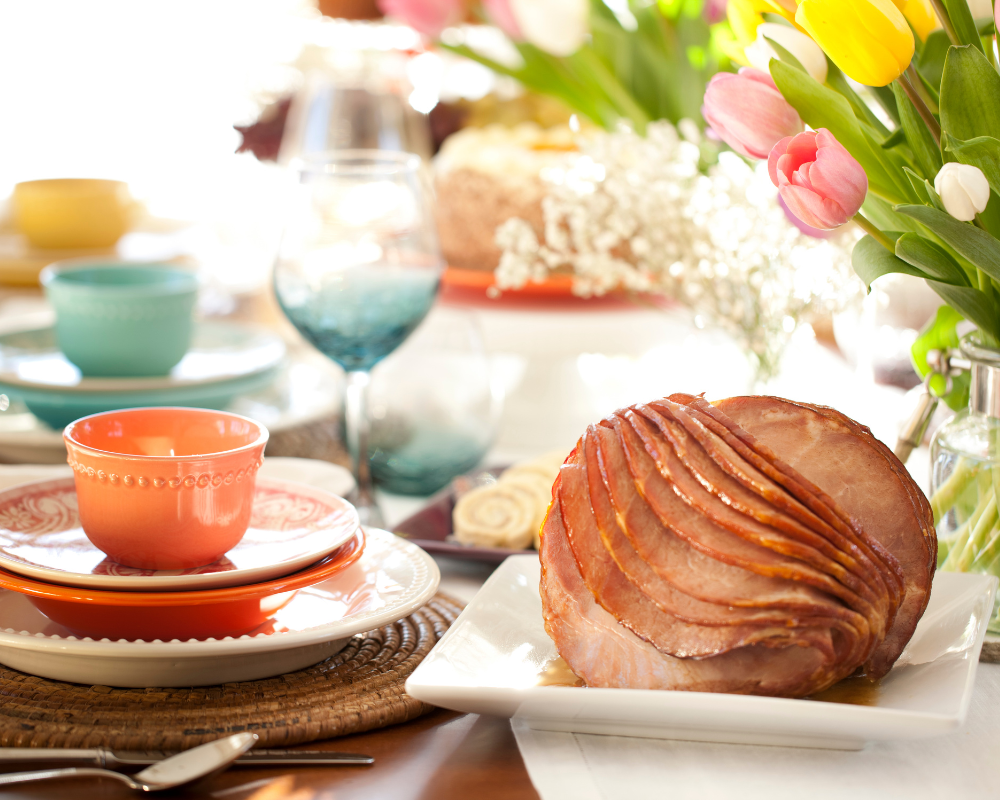
- Ham or Lamb: Looking for a wine to pair with Easter dinner? Pinot Blanc is an excellent match for both ham and lamb, balancing the richness of the meat with its refreshing finish. Get more tips on holiday pairings here.
Inspired to entertain? Don’t miss our entertaining page, packed full of ideas and recipes.
How to Properly Serve Pinot Blanc
To truly enjoy Pinot Blanc, here are some tips for serving:
- Temperature: Serve chilled at 45–50°F (7–10°C).
- Glassware: Use a standard U-shaped white wine glass to enhance its aromas.
For a deeper look at glassware, visit our comprehensive wine glassware guide.
Pinot Blanc vs Pinot Gris
While both Pinot Blanc and Pinot Gris come from the Pinot family of grapes, they offer very different experiences:
- Taste: Pinot Gris is often richer and spicier, while Pinot Blanc is lighter and crisper.
- Aroma: Pinot Gris features notes of ripe peach and spice, whereas Pinot Blanc highlights green apple and citrus.
- Pairings: Pinot Gris complements spicy dishes, while Pinot Blanc pairs best with lighter fare.
Speaking of Pinot Gris, check out Kendall-Jackson’s elegant offering from the renowned Saralee’s Vineyard here.
Get the Best in California Pinot Blanc from Kendall-Jackson
Looking to try a standout Pinot Blanc? Kendall-Jackson’s Saralee’s Vineyard Pinot Blanc is crafted with care from the heart of the Russian River Valley, offering the perfect balance between elegance and vibrancy.
Explore our full selection of white wines and bring a touch of California sophistication to your next gathering.
Frequently Asked Questions
Is Pinot Blanc sweet or dry?
Usually dry, but its fruity character can make it seem slightly off-dry.
Should Pinot Blanc be aged?
It’s typically enjoyed young, within 2-3 years of bottling, but quality bottles may age gracefully for up to five years.
How is Pinot Blanc different from other white wines?
Pinot Blanc offers a unique balance of fruit and acidity, making it lighter than Chardonnay but richer than Sauvignon Blanc.
What are some common misconceptions about Pinot Blanc?
Many confuse it with Chardonnay or Pinot Gris due to their shared regions and grape family.