





Share This
If you've ever stood in front of a wine wall feeling a little overwhelmed, you're not alone, and you don't need a sommelier's vocabulary to find a bottle you'll love. Wine is meant to be enjoyed, shared, and savored, not stressed over, and your curiosity is already a wonderful place to start. Think of this guide as a friendly hand on your shoulder as you explore, no judgment, just a warm invitation to learn more about this beverage we all love.
In the blog below, we'll break down the five main categories of wine and their most popular varietals, complete with flavor profiles, easy food pairing ideas, and simple tips for finding your new favorite pour. As a California winery crafting wine since 1982, Kendall-Jackson's portfolio spans nearly every major style out there, and though we know a thing or two about wine, we're still learning something new every day too. Let's dig in together.
A Quick Overview of the Main Types of Wine
The five main types of wine are red, white, rosé, sparkling, and dessert wine. Each category is defined by how the grapes are grown, fermented, and finished, which results in distinct colors, flavors, and best uses at the table.
Here's a quick chart to help you get your bearings before we dive deeper into each wine type and its most popular wine varietals.
| Wine Type | Color | Body | Popular Varietals |
|---|---|---|---|
| Red Wine | Ruby to deep garnet | Light to full-bodied | Cabernet Sauvignon, Pinot Noir, Merlot, Syrah, Zinfandel |
| White Wine | Straw to golden | Light to full-bodied | Chardonnay, Sauvignon Blanc, Pinot Gris, Chenin Blanc, Riesling |
| Rosé Wine | Pale pink to deep salmon | Light-bodied | Rosé of Pinot Noir, Grenache Rosé, Provence-style blends |
| Sparkling Wine | Straw to pink | Light to medium | Champagne, Prosecco, Cava, sparkling blends |
| Dessert Wine | Golden to deep amber | Rich, sweet | Late Harvest Riesling, Port, Muscat, Ice Wine |
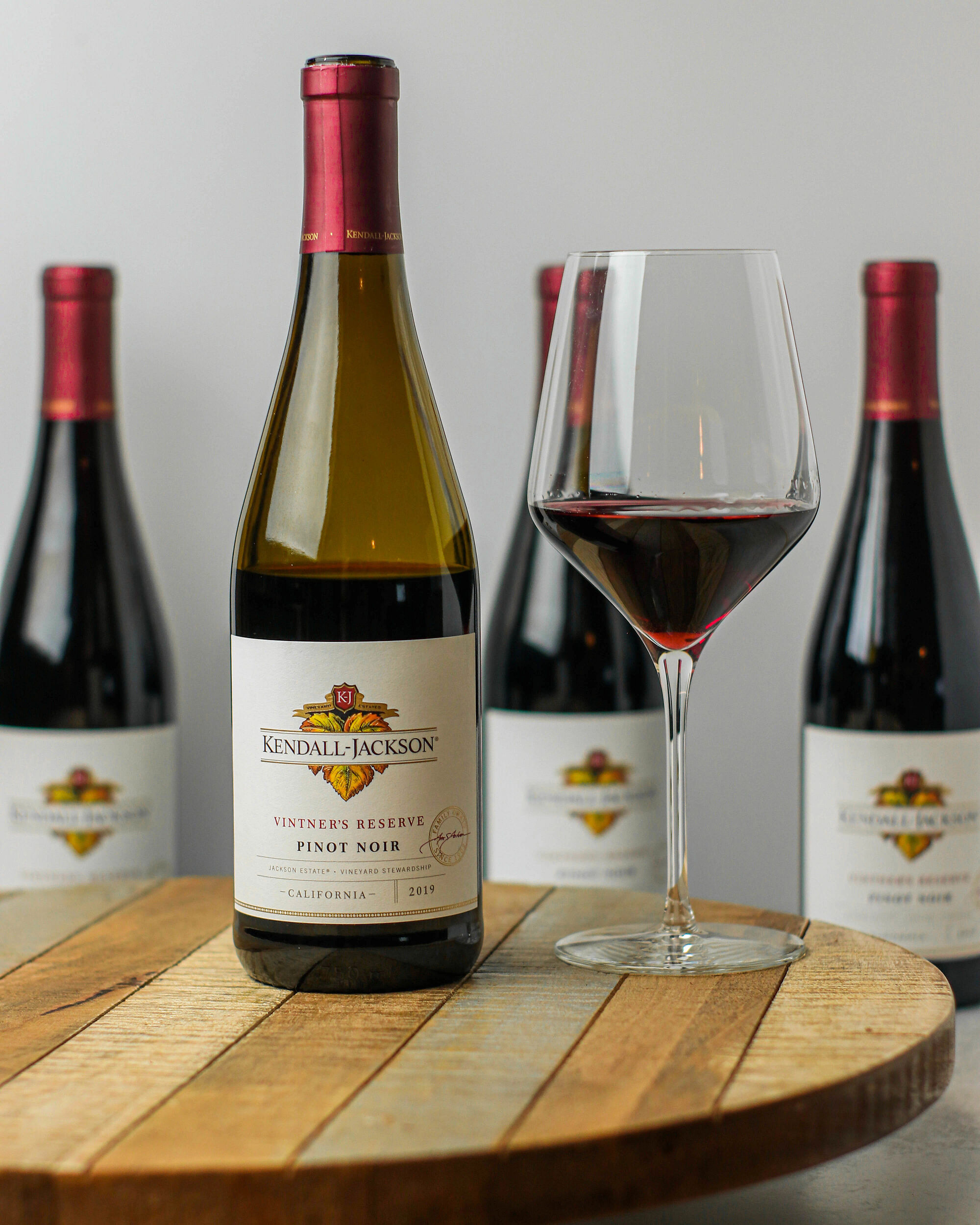
The Most Common Types of Red Wine
Red wine is one of the most beloved and versatile wine categories out there, and it's easy to see why. From silky and light to bold and full-bodied, there's a red wine varietal for every mood and every meal. For an even deeper dive, check out our full guide, The Different Types of Red Wine Explained.
Cabernet Sauvignon
Cabernet Sauvignon is a full-bodied red wine known for its bold tannins, dark fruit flavors, and structure that ages beautifully.
Affectionately called the "king of red wine," Cabernet Sauvignon is the most widely planted red wine grape in the world, thriving in warm, sunny climates like our home here in California. Its firm tannins and concentrated fruit pair naturally with rich, savory dishes, and its ability to soften with age has made it a favorite among collectors and casual sippers alike.
- Flavor Notes: Black cherry, blackcurrant, cedar, tobacco, baking spice
- Body & Sweetness: Full-bodied, dry
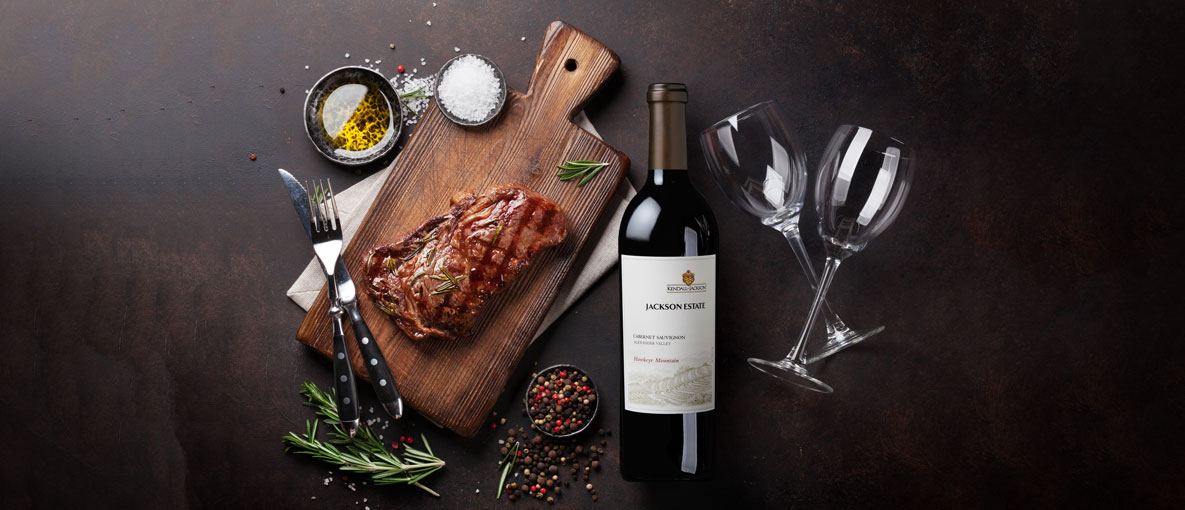
- Food Pairings: Grilled steak, lamb, aged cheeses, hearty stews
Shop our Cabernet Sauvignon collection or explore our Cabernet Sauvignon Wine 101 Guide to learn more.
Jackson Estate
2022
Alexander Valley
points
750ml
$70
bottle
Jackson Estate
2022
Knights Valley
points
750ml
$80
bottle
Pinot Noir
Pinot Noir is a light-to-medium-bodied red wine known for its silky texture, bright red fruit flavors, and food-friendly versatility.
This delicate, thin-skinned grape is famously finicky to grow, thriving in cooler climates where it develops its signature elegance. What makes Pinot Noir so special is its balance—light enough to pair with fish, yet flavorful enough to stand up to roasted meats, making it one of the most versatile reds you can pour.
- Flavor Notes: Cherry, raspberry, strawberry, mushroom, forest floor, spice
- Body & Sweetness: Light to medium-bodied, dry
- Food Pairings: Roast chicken, salmon, mushroom dishes, duck
Explore our Pinot Noir collection or dive into our Pinot Noir Wine 101 Guide.
Jackson Estate
2023
Santa Lucia Highlands
750ml
$55
bottle
Merlot
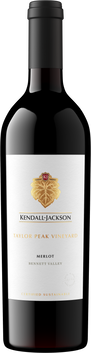
Merlot is a medium-to-full-bodied red wine known for its smooth, velvety texture and approachable plum-and-chocolate flavor profile. It is often blended with Cabernet Sauvignon to add some softness to the final wine.
Merlot's soft tannins and generous fruit make it one of the most approachable reds for newer drinkers, while still offering enough depth to satisfy seasoned palates. It's a food-friendly choice that rarely overwhelms a dish, making weeknight dinners feel a little more special.
- Flavor Notes: Ripe plum, black cherry, cocoa, herbs
- Body & Sweetness: Medium to full-bodied, dry
- Food Pairings: Roast chicken, pork loin, tomato-based pasta, mild cheeses
Curious to taste it for yourself? Try our Vintner's Reserve Merlot. We love to sip it with a bowl of bolognese pasta or an Impossible Burger.
Jackson Estate
2023
Bennett Valley
points
750ml
$60
bottle
Syrah / Shiraz
Syrah, known as Shiraz in Australia, is a full-bodied red wine with bold dark fruit, black pepper, and savory notes.
Whichever name you know it by, this grape delivers big, bold flavor: Syrah tends to be more structured and peppery, often with a savory, bacon-infused edge, while its Australian counterpart, Shiraz, leans juicier and riper. Either way, it's an excellent choice when you want a wine with real presence on the table.
- Flavor Notes: Blueberry, blackberry, black pepper, cured meat, violet
- Body & Sweetness: Full-bodied, dry
- Food Pairings: Barbecue, grilled lamb, spiced sausage, smoked meats
Pour a glass of our Kendall-Jackson Santa Barbara County Syrah. It's a perfect pour for a summer barbecue or a winter stew.
Zinfandel
Zinfandel is a medium-to-full-bodied red wine known for its jammy fruit character, bold spice, and higher alcohol content.
Zinfandel has deep roots in California winemaking (with origins that trace to Croatia), and it wears its personality proudly. Expect ripe, jammy fruit layered with warm baking or peppery spice, in a wine that's just as comfortable at a backyard cookout as at the dinner table.
- Flavor Notes: Blackberry jam, black pepper, cinnamon, licorice
- Body & Sweetness: Medium to full-bodied, dry
- Food Pairings: BBQ ribs, pulled pork, pizza, grilled sausage
Ready to expand your red wine horizons? Grab a bottle of our Kendall-Jackson Vintner's Reserve Zinfandel to serve with your next pizza night.
Red Blends
Red blends combine two or more red grape varieties to create wines with layered flavors and balanced structure that appeal to a wide range of palates.
Winemakers love blends because they capture the best of every grape in the mix—say, the bold tannins of Cabernet Sauvignon, the soft fruit of Merlot, and the peppery spice of Syrah—to create something greater than the sum of its parts. It's a wonderful category to explore if you love variety and discovery in your glass.
- Flavor Notes: Varies by blend, often dark fruit, spice, and soft tannin
- Body & Sweetness: Medium to full-bodied, dry
- Food Pairings: Lasagna, shepherd's pie, roasted meats
Check out our Red Wine Blends Wine 101 Guide, and dive into a bottle with our Jackson Estate Winemaker's Red Blend. Crafted from Merlot, Cabernet Sauvignon, and a splash of Petit Verdot, this wine has bright red fruit notes and a soft, supple finish.
The Most Common Types of White Wine
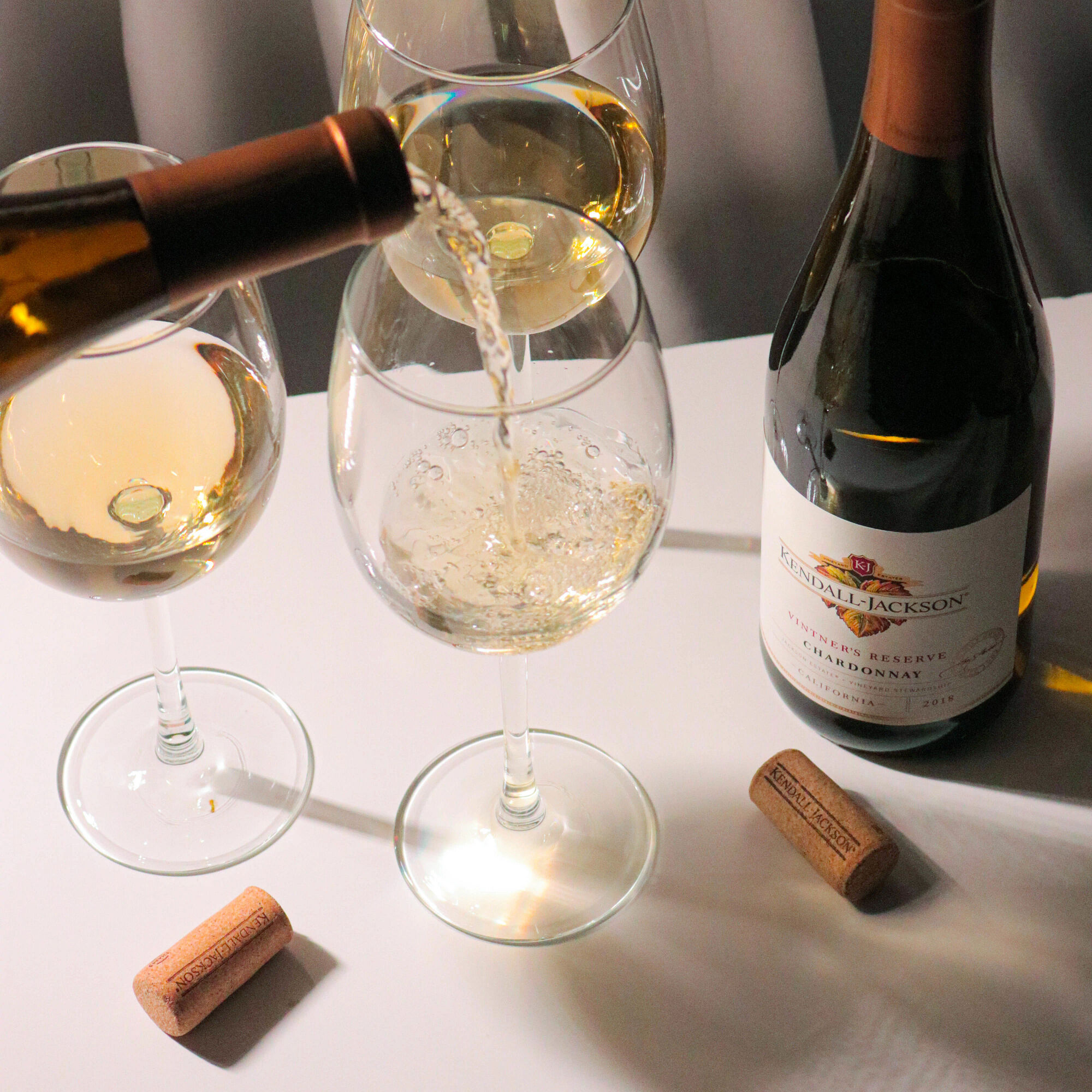
White wine brings brightness, versatility, and food-friendliness to the table in a way that's hard to beat. Whether you love a rich, buttery pour or something crisp and zesty, there's a white wine varietal calling your name. For more, check out A Beginner’s Guide to the Different Types of White Wine.
Chardonnay
Chardonnay is a medium-to-full-bodied white wine that can range from crisp and unoaked to rich, buttery, and oak-aged depending on style.
Chardonnay is one of the most planted white wine grapes in the world, beloved for being easy to grow and for expressing itself in so many different ways: An unoaked version is bright, clean, and full of orchard fruit, while an oak-aged version develops the creamy, toasty richness so many people crave. It's a true chameleon of the wine world, and Kendall-Jackson produces every style for you to discover.
- Flavor Notes: Apple, pear, lemon, vanilla, butter, toasted oak
- Body & Sweetness: Medium to full-bodied, dry
- Food Pairings: Lobster, roast chicken, creamy pasta, buttery seafood
To dig deeper, read our Chardonnay Wine 101 Guide, learn about Oaked vs. Unoaked Chardonnay, and explore our Chardonnay collection.
Jackson Estate
2023
Santa Barbara County
points
750ml
$35
bottle
Sauvignon Blanc
Sauvignon Blanc is a light-to-medium-bodied white wine known for its bright acidity, zesty citrus, and herbal character.
If you love a wine that wakes up your palate, Sauvignon Blanc is a fantastic place to start. Its signature zippy acidity and herbaceous notes make it endlessly refreshing, especially on a warm afternoon. It's also one of the easiest whites to pair with fresh, vibrant dishes.
- Flavor Notes: Grapefruit, lemon, green apple, fresh-cut grass, passion fruit
- Body & Sweetness: Light to medium-bodied, dry
- Food Pairings: Goat cheese, shellfish, salads, herb-driven dishes
Sharpen your Sauvignon Blanc know-how by reading our Sauvignon Blanc Wine 101 Guide and shop our Sauvignon Blanc collection.
Pinot Gris
Pinot Gris is a light-bodied white wine with crisp acidity and delicate stone fruit and citrus flavors.
You may have noticed this grape goes by two names, Pinot Gris and Pinot Grigio, and the difference often comes down to style rather than the grape itself: Pinot Gris typically denotes a richer, fuller-bodied style, while Pinot Grigio refers to a lighter, crisper expression. Either way, it's a gentle, easy-sipping wine that never asks too much of you, which makes it a lovely everyday pour.
- Flavor Notes: Pear, apple, honeysuckle, lemon zest, spice
- Body & Sweetness: Light-bodied, dry
- Food Pairings: Light seafood, salads, antipasto, grilled vegetables
Curious to learn more? Read about Pinot Gris vs. Pinot Grigio, and try our Vintner's Reserve Pinot Gris.
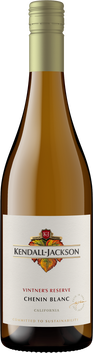
Chenin Blanc
Chenin Blanc is a versatile white wine known for its high acidity and range of styles, from bone dry to lusciously sweet.
Few grapes can do it all quite like Chenin Blanc. Its naturally high acidity means it can be crafted into a crisp, dry sipper or a honeyed, sweeter style, and it holds up beautifully either way—a wonderful varietal to explore if you're curious how much range a single grape can offer, and a fun way to expand your repertoire beyond Chardonnay and Sauvignon Blanc.
- Flavor Notes: Green apple, quince, honey, chamomile, wet stone
- Body & Sweetness: Light to medium-bodied, dry to sweet
- Food Pairings: Roast chicken, pork, spicy Thai dishes, soft cheeses
Learn more about this increasingly popular variety with our Chenin Blanc Wine 101 Guide, then taste it for yourself with our Vintner's Reserve Chenin Blanc.
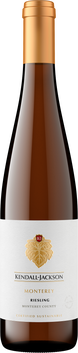
Riesling
Riesling is an aromatic white wine that ranges from bone dry to sweet, with signature high acidity and vibrant fruit character.
Riesling has a reputation for being sweet, but that's only part of the story—this aromatic grape ranges from crisp and dry to lusciously sweet, always balanced by mouthwatering acidity that makes it a favorite for pairing with bold, spicy flavors.
- Flavor Notes: Peach, apricot, apple, lime, honey, floral notes
- Body & Sweetness: Light-bodied, dry to sweet
- Food Pairings: Spicy cuisine, pork, roast turkey, Asian-inspired dishes
Check out our portfolio of Rieslings, and if you're trying this varietal for the first time, dip your toes in with our Vintner's Reserve Riesling.
White Blends
White blends combine two or more white grape varieties, resulting in balanced, approachable wines that showcase the best of each grape.
Much like their red counterparts, white blends let winemakers craft something layered and well-rounded, often combining a fruitier grape with one that brings brighter acidity. In Bordeaux, for example, Semillon is often added to Sauvignon Blanc to soften the blend (just like Merlot does for Cabernet Sauvignon). White blends are wonderful to sip and pour for just about any occasion.
- Flavor Notes: Varies by blend, often citrus, stone fruit, and floral notes
- Body & Sweetness: Light to medium-bodied, dry
- Food Pairings: Salads, roasted chicken, light pasta, seafood
Rosé Wine
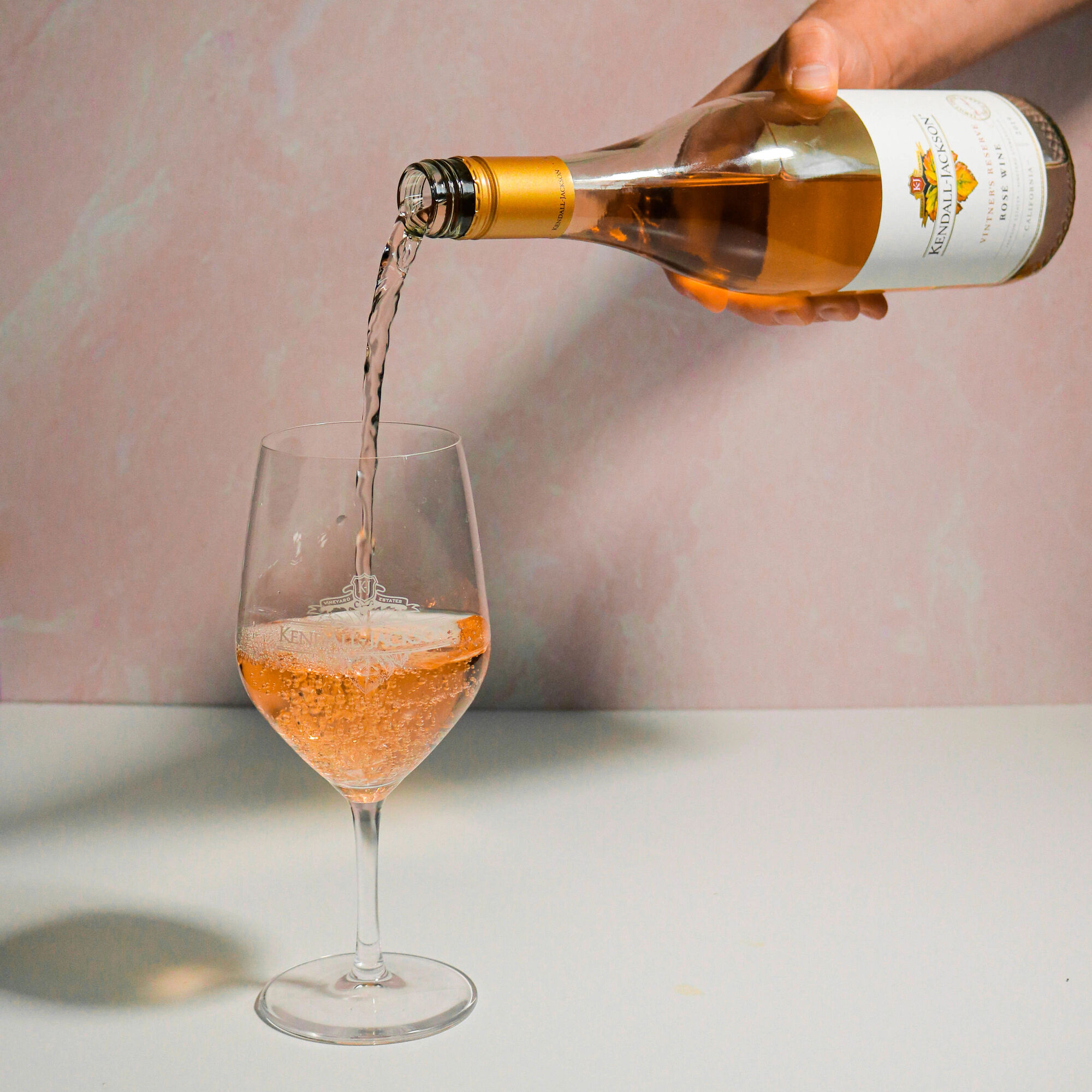
Rosé has become one of the fastest-growing wine categories, and it's easy to see why people can't get enough. It's playful, refreshing, and perfect for pretty much any warm-weather gathering (and we love it in cold weather too as a palate cleanser for heavier cuisine).
Rosé wine is a pink-hued wine made from red grapes with brief skin contact, offering the freshness of a white wine with the fruit character of a red. That gentle contact gives rosé its signature color, ranging from the palest blush to a deeper salmon pink, along with a flavor profile that borrows from both red and white.
One thing worth knowing: Rosé isn't a single style. A Provence-style rosé tends to be pale, bone dry, and crisp, while a White Zinfandel leans sweeter and juicier, and sparkling rosé brings that same pink wine charm together with a celebratory fizz. There's a rosé for every mood and every table.
- Flavor Notes: Strawberry, watermelon, citrus zest, rose petal, mineral
- Body & Sweetness: Light-bodied, typically dry (some styles are sweet)
- Food Pairings: Grilled shrimp, salads, charcuterie, summer BBQ
Shop our Rosé collection or read our Rosé Wine 101 Guide for everything you need to know about drinking pink.
Sparkling Wine
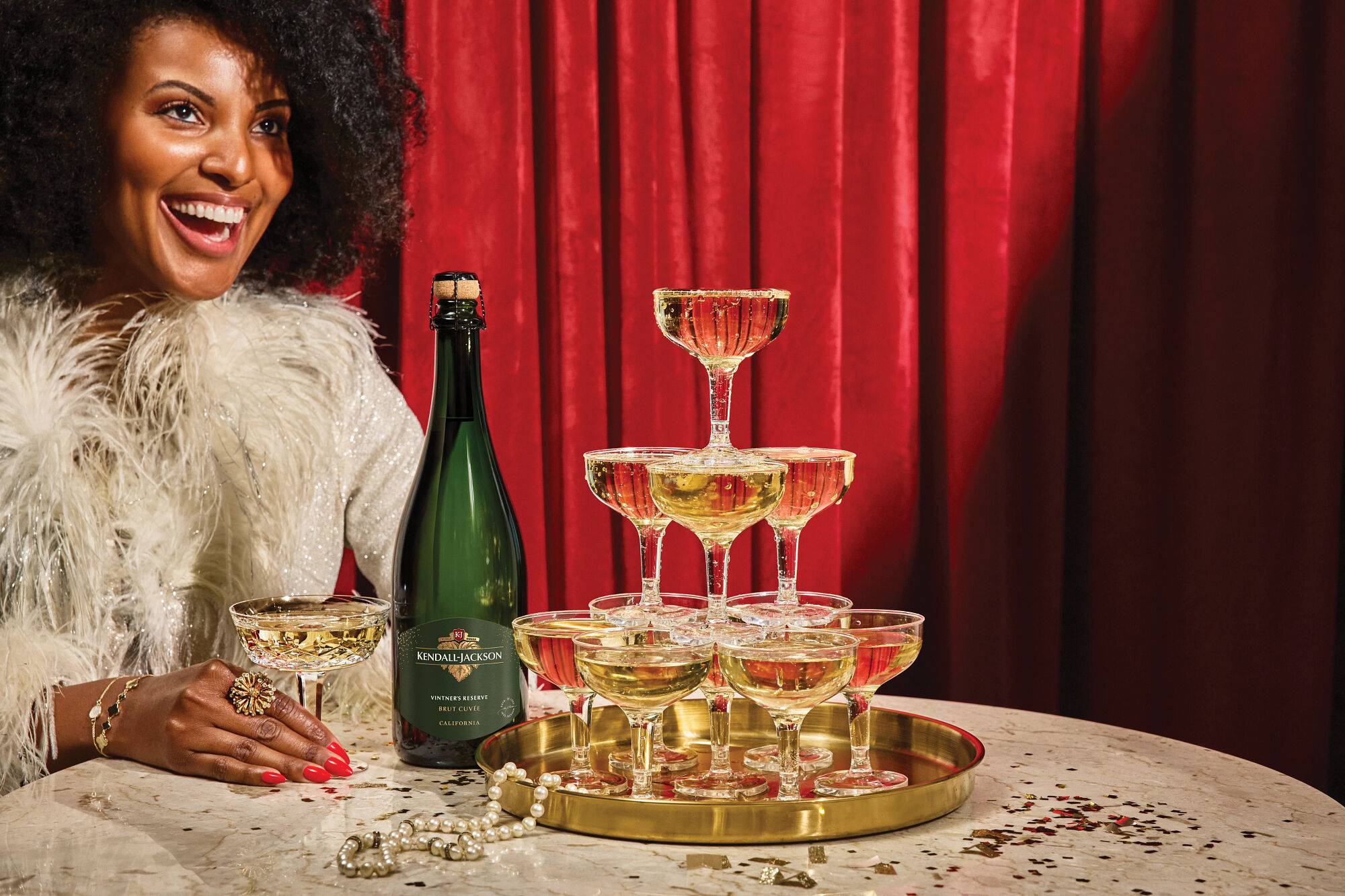
Nothing immediately says "let's celebrate" like the pop of a cork and a glass full of bubbles. Sparkling wine is the category we reach for during toasts, brunches, and anytime life calls for a little extra sparkle.
Sparkling wine is any wine with dissolved carbon dioxide that creates bubbles, ranging from bone dry to sweet and produced through several distinct methods. The traditional method (used in Champagne) creates fine, persistent bubbles through a second fermentation in the bottle, while the tank method (used in Prosecco) produces a softer, fruitier fizz on a larger scale—both wonderful, and both worthy of a place at your table.
- Flavor Notes: Green apple, citrus, brioche, toast, stone fruit, depending on style
- Body & Sweetness: Light to medium-bodied, ranges from bone dry (Brut) to sweet (Demi-Sec)
- Food Pairings: Oysters, fried appetizers, brunch fare, celebratory desserts
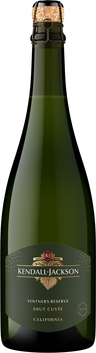
We're thrilled to welcome sparkling wine to our Vintner's Reserve collection. Made to bring a little celebration to your everyday—not just special occasions—our Vintner's Reserve Brut Cuvée carries the same balance and care found across our entire lineup. Grab a bottle, pour a glass, and check out our Sparkling Wine 101 Guide, and shop our full sparkling wine collection.
Dessert and Fortified Wine
Dessert and fortified wines are richer, sweeter, and typically served in smaller pours than other wine styles, making them the perfect way to end a meal on a high note.
Dessert wines are sweet wines with high residual sugar, while fortified wines have a distilled spirit added to increase alcohol and stabilize the wine. Both categories are all about indulgence, offering concentrated flavors that pair beautifully with dessert, cheese, or simply a quiet moment to yourself.
- Flavor Notes: Honey, dried apricot, caramel, dark chocolate, dried fruit
- Body & Sweetness: Rich, medium to full-bodied, sweet
- Food Pairings: Cheese boards, chocolate desserts, fruit tarts, nuts
Late-Harvest Wines
Late-harvest wines are crafted from grapes left on the vine longer to develop concentrated sugars, often made from Riesling, Sauvignon Blanc, or Semillon.
Try our Grand Reserve Late Harvest Orange Muscat for a taste of this indulgent style.
Muscat and Moscato
These aromatic, fruit-forward sweet wines often show floral and stone fruit characters, perfect for those who love a lighter, gentler sweetness.
Port
A fortified red wine from Portugal, port is known for its rich dark fruit, chocolate, and warming spirit, best sipped slowly after dinner or on a cold, rainy, or snowy evening.
Ice Wine
Ice wine is a rare, sweet wine made from grapes that are left to freeze on the vine, resulting in intensely concentrated sweetness and acidity. Canada, Germany, and the Finger Lakes region in New York are known for their sweet ice wines balanced by searing acidity.
Sherry and Madeira
Sherry from Spain and Madeira from Portugal are fortified wines ranging from bone dry to lusciously sweet, and wonderfully food-friendly at both ends of that spectrum. Start a dinner party with bone-dry Fino sherry and Marcona almonds, then end the meal with sweet Pedro Ximénez sherry over vanilla ice cream—both magical pairings to bookend a memorable meal.
How to Choose the Right Type of Wine for You
With so many wine varieties out there, choosing one might feel like an overwhelming decision. Here are a few simple, practical ways to narrow it down.
Start with What You Like to Eat
If you love rich, savory meals, lean into full-bodied reds like Cabernet Sauvignon and Syrah. If you gravitate toward seafood, salads, and lighter fare, explore whites like Sauvignon Blanc and Pinot Gris. For more inspiration, check out our Wine and Food Pairing Guide to match your next meal with the perfect glass.
Consider the Occasion
- Casual weeknight: Approachable Merlot, Pinot Gris, rosé, or our Vintner's Reserve Brut Cuvée sparkling
- Celebration: Sparkling wine or reserve-tier Chardonnay
- Holiday dinner: Pinot Noir or Cabernet Sauvignon
When the holiday season's on the horizon, simplify your wine and menu planning with our guides on the Best Wines for Thanksgiving Dinner and Best Wines for Christmas Dinner.
Think About the Season
- Spring and Summer: Crisp whites, rosé, sparkling
- Fall and winter: Bold reds, oaked whites, dessert wines
Explore seasonal pairing selections in our guides on Pairing Fall Fruits and Vegetables with Wine and Pairing Wine with Summer Fruits and Vegetables.
Find Your Perfect Pour with Kendall-Jackson
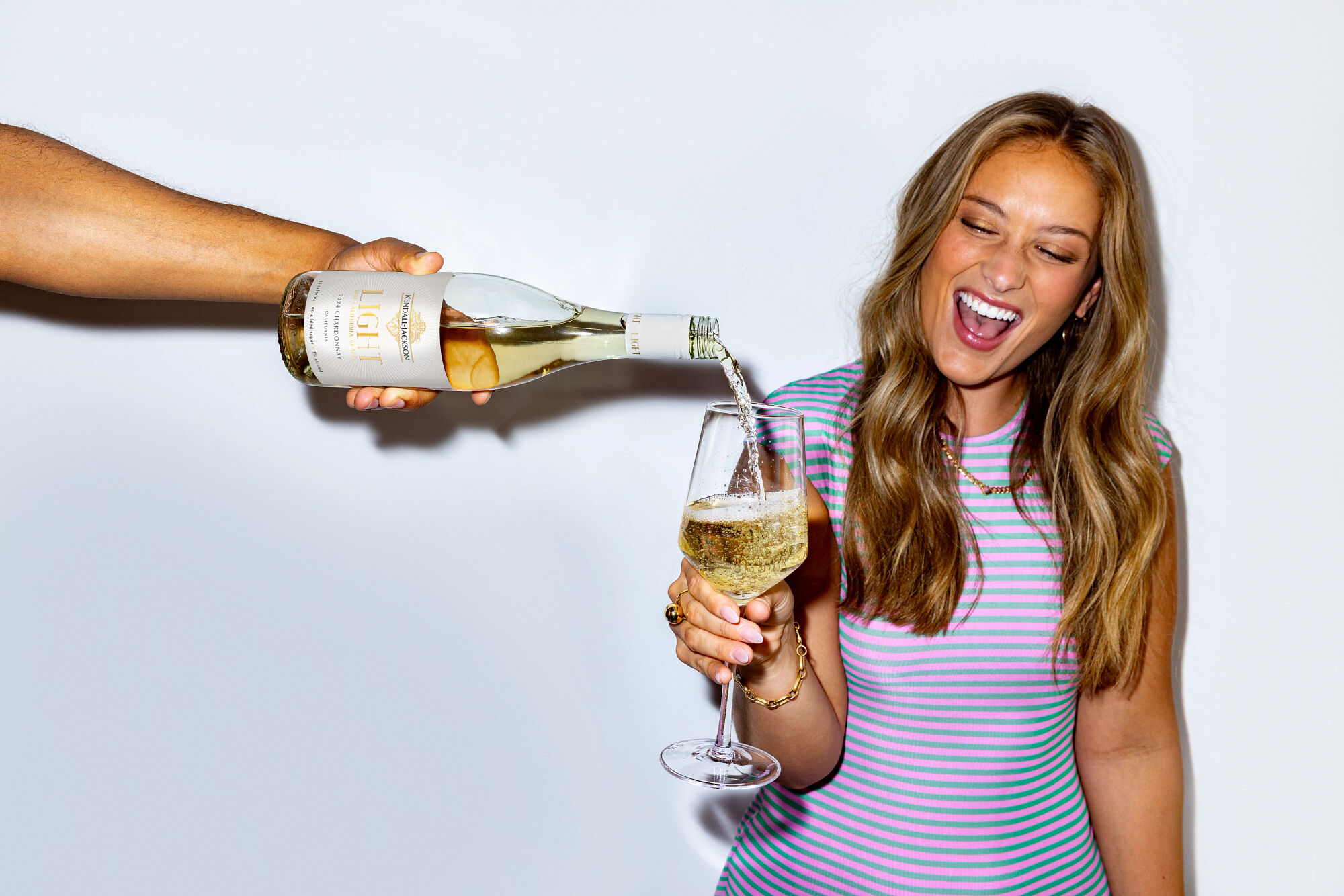
Exploring the many types of wine is one of the most rewarding (and tasty) parts of the whole wine journey, and there's always something new to discover, whether it's your first Chenin Blanc or fiftieth Cabernet. That sense of curiosity and joy is exactly what we hope every glass of Kendall-Jackson brings to your table.
For over 40 years, we've poured our passion into growing the best wine in the best way, with an estate winemaking philosophy rooted in balance, food-friendliness, and sustainable California craftsmanship from vine to glass. Whether you're just starting to explore wine varietals or ready to branch out, our lineup has something for you—from the everyday ease of Vintner's Reserve and the elevated character of Grand Reserve to the exceptional quality of Jackson Estate. There's a great wine for everyone, and we can't wait to help you find yours.
FAQs
What are the main types of wine?
The five main types of wine are red, white, rosé, sparkling, and dessert wine. Each is defined by how the grapes are grown, fermented, and finished.
What is the most popular type of wine?
This is an ever-fluctuating category, with differences by country. In the United States, Cabernet Sauvignon and Chardonnay are the most popular red and white wines, respectively, although aromatic, bright white wines, like Sauvignon Blanc, are rising in demand.
What is the difference between red and white wine?
Red wine is made from dark-skinned grapes fermented with the skins, giving it color and tannins, while white wine is made without extended skin contact, resulting in a lighter color and softer structure.
What is rosé wine made from?
Rosé wine is made from red grapes with brief skin contact, which gives it a pink color and a flavor profile that sits between red and white wine.
Is Champagne the same as sparkling wine?
All Champagne is sparkling wine, but not all sparkling wine is Champagne. Champagne must be produced in the Champagne region of France using the traditional method.
What is a good wine for beginners?
Approachable wines for beginners include Pinot Noir, Merlot, Rosé, Chardonnay, and Sauvignon Blanc, all of which are smooth, balanced, and easy to enjoy.
What type of wine is the sweetest?
Dessert wines such as Ice Wine, Port, Late Harvest Riesling, and Muscat are the sweetest wines, with concentrated residual sugar and rich flavors.
What is a wine varietal?
A varietal is a wine made primarily from a single grape variety, such as Chardonnay or Cabernet Sauvignon, rather than a blend of multiple grapes.
How many types of wine are there?
There are five main categories of wine (red, white, rosé, sparkling, and dessert) and thousands of individual grape varieties, though only a few dozen are widely produced and enjoyed.
What wine goes with everything?
Pinot Noir and rosé are two of the most versatile wines because their bright acidity and moderate body pair well with a wide range of foods.